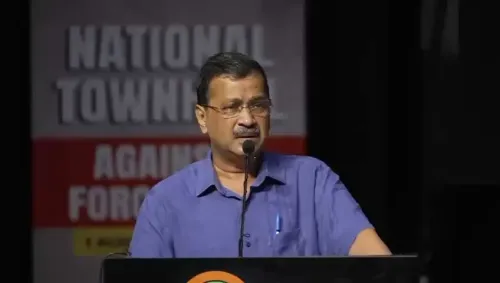
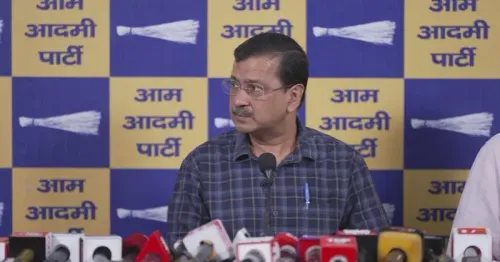
Kejriwal Slams Modi Govt Over Sugar Price Spike, Ethanol Policy

Synopsis
AAP convenor Arvind Kejriwal attacked the Modi government on 20 August 2026, claiming its ethanol-blending policy diverted sugarcane away from sugar production, caused a domestic shortage, spiked retail prices by ₹20 in 17 days, and now forces the very foreign-exchange-burning sugar imports the policy was meant to avoid.
Key Takeaways
AAP convenor Arvind Kejriwal posted on 20 August 2026 accusing the Modi government of mismanaging sugar supply through its ethanol policy.
Kejriwal claims sugar prices rose by ₹20 in just 17 days due to a domestic shortage linked to sugarcane diversion for ethanol production.
He argues the government is now forced to import sugar , negating the foreign exchange savings the ethanol programme was designed to deliver.
The National Policy on Biofuels 2018 targets 20% ethanol blending by 2030; a 2022 amendment allowed direct use of sugarcane juice as ethanol feedstock.
The food ministry has not yet announced adjustments to ethanol procurement targets or sugar import duties.
The specific price rise figure and shortage severity remain unverified by official data as of the post date.
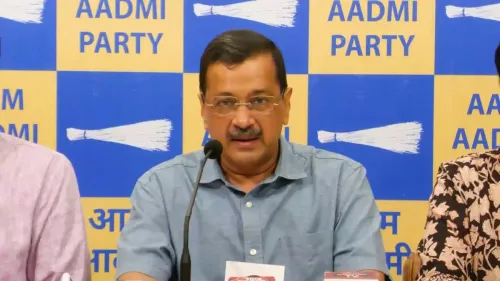
A sugar shortage and a price surge of ₹20 in just 17 days — that is the charge AAP convenor Arvind Kejriwal levelled at the Modi government on Thursday, 20 August 2026, in a pointed broadside that frames a flagship energy policy as a self-inflicted economic wound.
Kejriwal's post, mixing sharp Hindi with economic shorthand, asked bluntly: 'ये सरकार है या मज़ाक?' ('Is this a government or a joke?'). The argument is causally tight: the government diverted sugarcane to produce ethanol — burning foreign exchange on biofuel — only to now import sugar and burn that same foreign exchange anyway, but at a higher cost and with consumers already stung at the retail counter.
The ethanol gamble and where it went wrong, per Kejriwal
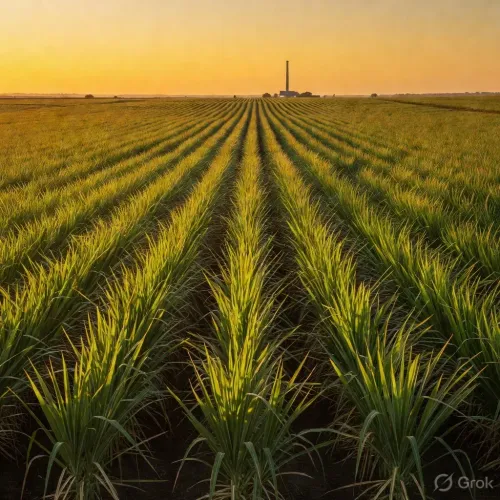
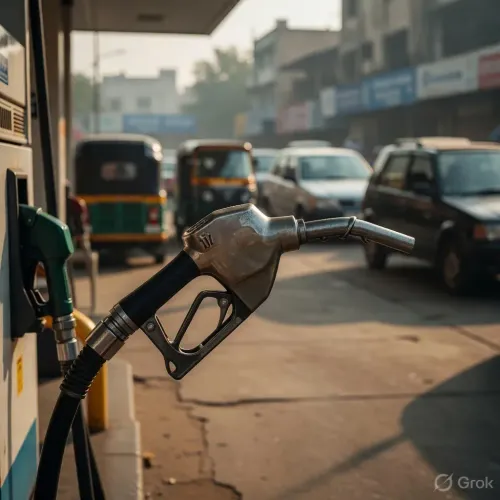
The Ethanol Blended Petrol Programme, accelerated after 2014, was designed to cut India's crude oil import bill by substituting petroleum with domestically produced ethanol. The National Policy on Biofuels, 2018, set a target of 20 percent ethanol blending by 2030, and a 2022 amendment permitted the direct use of sugarcane juice — not just molasses — as feedstock, significantly increasing the sugarcane diverted away from sugar production.
Kejriwal's critique targets precisely this trade-off. By pulling more sugarcane into ethanol pipelines, the government squeezed domestic sugar supply. The result, he claims: a shortage severe enough to force sugar imports — the very foreign exchange outflow the programme was meant to prevent.
Who bears the cost — and who was supposed to benefit
The biofuel policy was built on two pillars: energy security and farmer welfare, offering sugarcane growers a guaranteed offtake market through ethanol procurement. But if the downstream consequence is a domestic sugar crunch, it is urban and rural consumers who absorb the price shock at the kirana store, even as the foreign exchange arithmetic the policy promised to improve goes into reverse.
Opposition parties have repeatedly drawn this line between biofuel diversion and retail commodity prices. Kejriwal's post sharpens that argument into a single, caustic loop: spend forex to save forex, end up spending more forex, and make sugar unaffordable in between.
What the government has not yet said
The food ministry has not publicly adjusted ethanol procurement targets or announced import duty changes in response to the claimed shortage. The next official sugar stock and production data release will be the clearest test of whether Kejriwal's numbers hold — or whether the government can rebut them with supply figures of its own.
Until then, the ₹20 figure hangs in the political air: specific, retail, and impossible to ignore at the checkout counter.
Point of View
The tighter domestic sugar supply becomes. That tension has historically been managed through procurement caps and stock monitoring, and any breakdown in that calibration is a legitimate policy failure, not just a talking point. If the ₹20 price rise figure is borne out by official data, it hands the opposition a durable inflation narrative ahead of any electoral cycle. The government's only effective counter is a swift, data-backed rebuttal — or a visible policy correction.
NationPress
20 Aug 2026
Frequently Asked Questions
Why has sugar become expensive in India in 2026?
AAP convenor Arvind Kejriwal claims sugar prices have risen by ₹20 in 17 days because the Modi government diverted large quantities of sugarcane to ethanol production under its biofuel programme, reducing domestic sugar supply. The government has not officially confirmed or rebutted this figure.
What is India's ethanol blending programme and how does it affect sugar?
India's Ethanol Blended Petrol Programme blends ethanol derived from sugarcane and other feedstocks with petrol to cut crude oil imports. When more sugarcane is used for ethanol — especially after a 2022 policy allowing direct use of sugarcane juice — less is available for sugar production, which can tighten domestic sugar supply.
Is India importing sugar in 2026?
Kejriwal's post alleges that India is now being forced to import sugar, spending the same foreign exchange the ethanol programme was meant to save. Official import data from the food ministry has not confirmed this claim as of 20 August 2026.
What did Kejriwal say about the Modi government and sugar prices?
On 20 August 2026, Kejriwal posted on X calling the Modi government an 'illiterate government' ('अनपढ़ सरकार'), arguing it created a sugar shortage by diverting sugarcane to ethanol, causing a ₹20 price spike in 17 days, and now has to import sugar — defeating the original policy goal.
What is the National Policy on Biofuels 2018?
The National Policy on Biofuels 2018 is the Indian government's framework for promoting ethanol blending with petrol, targeting 20 percent blending by 2030. It was amended in 2022 to allow direct use of sugarcane juice — not just molasses — for ethanol production, increasing the sugarcane diverted from sugar output.