Kejriwal Urges Indians to Stop Buying Petrol, Diesel Cars
Synopsis
AAP convenor Arvind Kejriwal appealed to Indians on 1 August 2026 to stop purchasing petrol and diesel vehicles, urging them to wait until E100 ethanol-powered cars are made in India, warning that current government fuel policy will financially harm consumers.
Key Takeaways
Arvind Kejriwal on 1 August 2026 publicly called on Indians to stop buying petrol and diesel vehicles.
He linked the boycott to the absence of domestically manufactured E100 (100% ethanol) vehicles in India.
He warned that the current government's fuel policy would 'ruin' ordinary car buyers financially.
India's Ethanol Blended Petrol Programme dates to 2003 ; the National Policy on Biofuels (2018) set higher blending targets, with a 20% blending goal as a near-term milestone.
Full E100 vehicle manufacturing at scale remains unrealised, making Kejriwal's demand a pressure tactic on both government and the automobile industry.
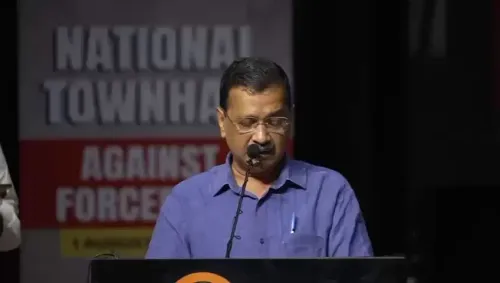
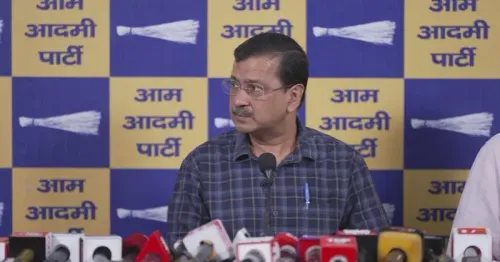
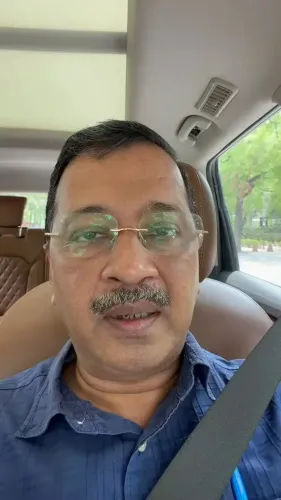
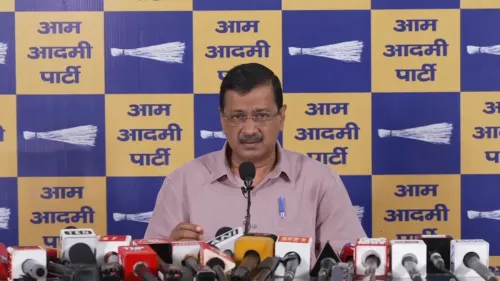
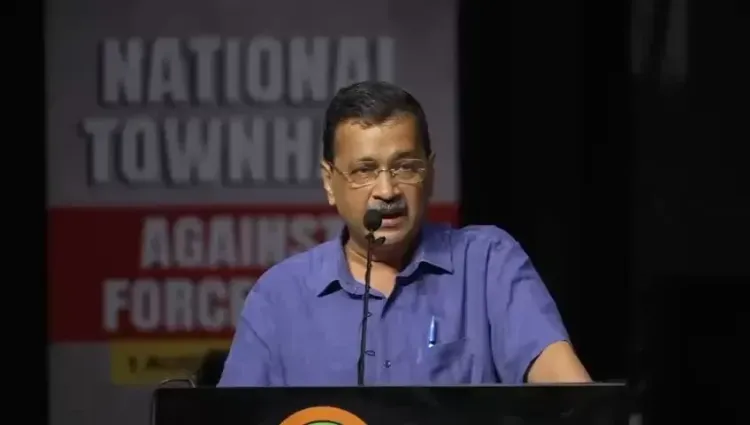
A blunt warning from one of India's most prominent opposition voices landed on Saturday afternoon: AAP convenor Arvind Kejriwal called on citizens to stop purchasing petrol and diesel vehicles entirely — and to hold off on any car purchase until E100 (100% ethanol-run) vehicles are manufactured in India. 'This government will ruin you,' he said.
Posting in Hindi on 1 August 2026, Kejriwal's appeal was direct: 'मेरी देश के लोगों से अपील है कि पेट्रोल और डीज़ल की गाड़ियां खरीदना बंद कर दें' — 'I appeal to the people of this country to stop buying petrol and diesel vehicles.' He tied the call to the absence of domestically manufactured E100 vehicles, framing continued fossil-fuel car purchases as financially dangerous for ordinary buyers.
What Is E100 and Where Does India Stand?
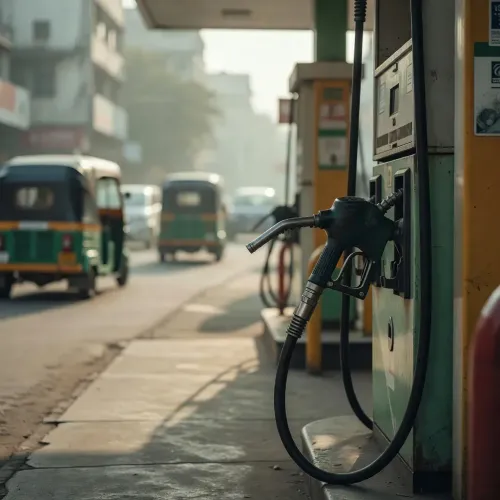
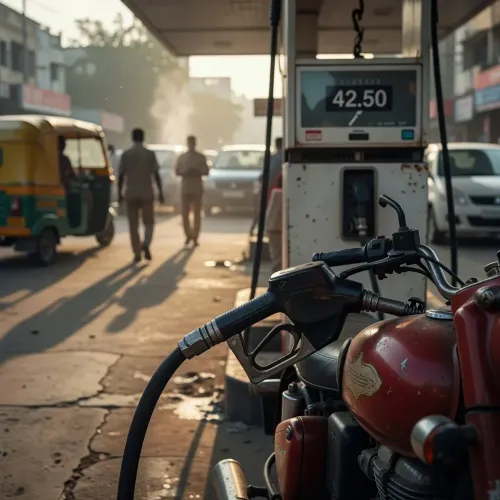
E100 refers to fuel running on 100% ethanol — the furthest point on a spectrum India has been inching along for over two decades. The Ethanol Blended Petrol Programme, launched in 2003, began by mixing small percentages of ethanol into petrol to cut oil imports. The National Policy on Biofuels, notified in 2018, pushed those targets higher, with subsequent updates aiming for 20% blending in petrol as a near-term goal. Full E100 vehicle manufacturing — cars built to run exclusively on ethanol — remains a further step that the automobile sector and policymakers have yet to deliver at scale.
Kejriwal's demand, then, is not incremental. He is asking consumers to leapfrog the current blending roadmap and wait for an endpoint the industry has not yet reached — a pressure tactic aimed squarely at the Government of India's pace on alternative fuel transition.
The Cost Argument Aimed at Car Buyers
The political edge of the appeal is economic. By warning that the government 'will ruin you,' Kejriwal is linking fuel pricing policy to household financial stress — a recurring flashpoint in Indian politics where petrol and diesel prices directly affect family budgets, transport costs, and inflation. The automobile sector, meanwhile, faces a direct challenge: if the appeal gains traction, even rhetorically, it adds public pressure on manufacturers to accelerate flex-fuel and E100 vehicle rollouts.
Opposition figures have periodically criticised central fuel policy and urged faster pivots to alternative energy. Kejriwal's framing sharpens that critique into a consumer-action call — rare in its directness.
Whether car buyers respond or automakers accelerate timelines, the pressure is now public — and on the record.
Point of View
Bypassing legislative debate entirely. It fits a pattern of opposition leaders using social media to mobilise public sentiment on cost-of-living issues where parliamentary leverage is limited. The E100 benchmark is deliberately maximalist: by setting a standard the government and industry have not met, Kejriwal ensures the pressure is indefinite. The real audience may be less the car buyer and more the automobile lobby and the central government, both of whom now face a public framing they must respond to or absorb.
NationPress
1 Aug 2026
Frequently Asked Questions
What did Arvind Kejriwal say about petrol and diesel cars?
On 1 August 2026 , Kejriwal appealed to Indians to stop buying petrol and diesel vehicles, saying they should wait until E100 ethanol-powered cars are manufactured in India, and warned that the government's fuel policy would financially harm consumers.
What is E100 fuel and is it available in India?
E100 refers to fuel made from 100% ethanol . India has pursued ethanol blending since 2003 and targets 20% blending in petrol as a near-term goal, but vehicles designed to run entirely on E100 are not yet manufactured at scale in India.
What is India's ethanol blending policy?
India launched the Ethanol Blended Petrol Programme in 2003 and notified the National Policy on Biofuels in 2018 , progressively raising blending targets with a goal of 20% ethanol in petrol in the near term.
Why is Kejriwal asking people not to buy cars?
Kejriwal argues that buying petrol or diesel cars locks consumers into fuel costs driven by government pricing policy, which he says will financially damage ordinary buyers. He wants demand pressure placed on the government to fast-track E100 vehicle production.
Which party does Arvind Kejriwal lead?
Arvind Kejriwal is the national convenor of the Aam Aadmi Party (AAP) and a former Chief Minister of Delhi.