Kejriwal writes to 29 auto makers on industry issues
Synopsis
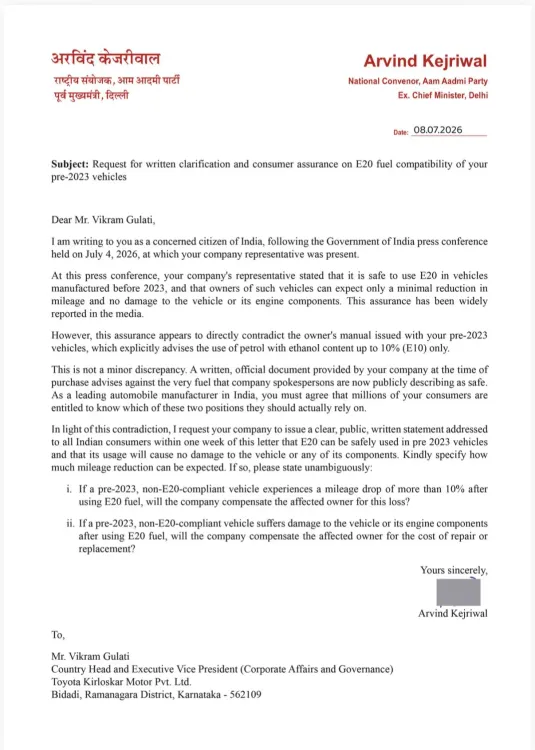
AAP convenor Arvind Kejriwal wrote to 29 automobile manufacturers on 8 July 2026, splitting the outreach into two letters — one to Maruti Suzuki India, Toyota Kirloskar Motor, and Hero MotoCorp, and a second to 26 other firms. The content of the letters has not been disclosed.
Key Takeaways
Arvind Kejriwal wrote to 29 auto manufacturers on 8 July 2026 .
The outreach was split into two letters: one to Maruti Suzuki India , Toyota Kirloskar Motor , and Hero MotoCorp , and a second to the remaining 26 companies .
The specific content or demands in the letters were not disclosed in the post.
Kejriwal's party, AAP , has prior history of auto-sector engagement, notably through Delhi's Electric Vehicle Policy launched in 2020 .
Industry responses and any subsequent meetings with AAP leadership will be closely watched.
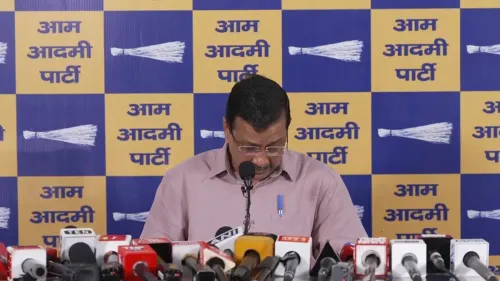
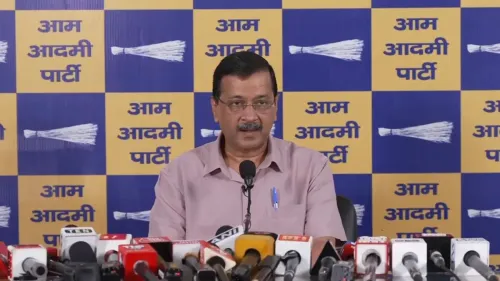
AAP convenor Arvind Kejriwal on Wednesday, 8 July 2026, announced that he has written letters to 29 automobile manufacturers across India, addressing concerns related to the auto sector. The letters were sent in two batches — one to three major companies and a second to the remaining 26 firms.
Context
Kejriwal stated on X that he wrote two separate letters: the first addressed to Maruti Suzuki India, Toyota Kirloskar Motor, and Hero MotoCorp, and the second to the remaining 26 auto manufacturers. His post, written in Hindi, reads: 'आज मैंने देश के 29 auto manufacturers को पत्र लिखा है' — 'Today I have written letters to the country's 29 auto manufacturers.' The specific content or demands outlined in the letters were not disclosed in the post.
The three companies named in the first letter represent a cross-section of India's auto industry. Maruti Suzuki India is the country's largest passenger vehicle maker by market share, Toyota Kirloskar Motor is a major joint-venture player in the passenger car and SUV segment, and Hero MotoCorp is the leading two-wheeler manufacturer with a significant export footprint.
Policy Backdrop
Kejriwal's engagement with the auto sector is not new. As Chief Minister of Delhi, his government launched the Delhi Electric Vehicle Policy in 2020, one of the more ambitious state-level EV frameworks in India, designed to promote cleaner vehicles through incentives for both manufacturers and buyers. The policy positioned Delhi as a front-runner in the push to reduce vehicular pollution in urban centres.
Indian opposition leaders and state-level politicians have a pattern of engaging auto companies on issues ranging from local manufacturing incentives and emission norms to employment generation and industrial policy. The auto sector remains a pillar of India's industrial economy, contributing significantly to GDP and formal employment.
Stakeholders and Impact
The sweep of the outreach — covering 29 manufacturers across passenger vehicles and two-wheelers — signals that Kejriwal is raising a sector-wide concern rather than targeting individual companies. The decision to write separately to Maruti Suzuki, Toyota Kirloskar Motor, and Hero MotoCorp suggests these three firms may be central to whatever issue or proposal the letters address.
Auto manufacturers in India operate at the intersection of central industrial policy, state-level incentives, and evolving emission and electrification mandates. Any political engagement at this scale could influence public discourse around the sector's regulatory environment, particularly if Kejriwal's party uses the responses — or lack thereof — to build a policy narrative ahead of future electoral cycles.
What's Next
The immediate focus will be on whether the 29 auto companies respond publicly or engage in follow-up meetings with AAP leadership. Industry bodies such as the Society of Indian Automobile Manufacturers (SIAM) may also weigh in if the letters touch on sector-wide regulatory or taxation matters. Kejriwal's next communication — whether a press conference, a follow-up post, or a formal policy document — will clarify the specific demands or proposals his outreach is anchored to.
Point of View
Signalling that AAP intends to position itself as a serious interlocutor on industrial policy beyond its traditional urban-governance base. The separation of Maruti Suzuki, Toyota Kirloskar Motor, and Hero MotoCorp into a distinct first letter hints at a tiered strategy — possibly reflecting their outsized market influence or specific policy asks. For a party rebuilding after electoral setbacks in Delhi, engaging a high-visibility sector like automobiles offers both policy credibility and a platform to contrast with the central government's approach. The real test will be whether the letters generate substantive industry dialogue or remain a political signalling exercise.
NationPress
8 Jul 2026
Frequently Asked Questions
Why did Kejriwal write to auto manufacturers?
Kejriwal announced on 8 July 2026 that he had written to 29 auto manufacturers, but the specific reasons or demands in the letters were not disclosed in his post.
Which auto companies did Kejriwal write to first?
The first letter was addressed to Maruti Suzuki India, Toyota Kirloskar Motor, and Hero MotoCorp. A second letter was sent to the remaining 26 manufacturers.
What is AAP's history with the auto sector?
Under Kejriwal as Chief Minister, the Delhi government launched its Electric Vehicle Policy in 2020, offering incentives to manufacturers and buyers to promote cleaner vehicles and reduce urban air pollution.
How many auto manufacturers did Kejriwal contact?
Kejriwal wrote to a total of 29 automobile manufacturers across India on 8 July 2026.
What happens next after Kejriwal's letters to auto companies?
Attention will now turn to whether the 29 auto companies respond publicly or hold meetings with AAP leadership, and whether Kejriwal releases the content of the letters in a follow-up statement.