Kejriwal writes to PM Modi on E20 petrol rollout
Synopsis
AAP convenor Arvind Kejriwal wrote to Prime Minister Narendra Modi on 14 July 2026 over India's E20 petrol programme and held a live press conference, putting the government's flagship ethanol blending initiative under formal political scrutiny.
Key Takeaways
Arvind Kejriwal addressed a letter to PM Narendra Modi on 14 July 2026 specifically about E20 petrol .
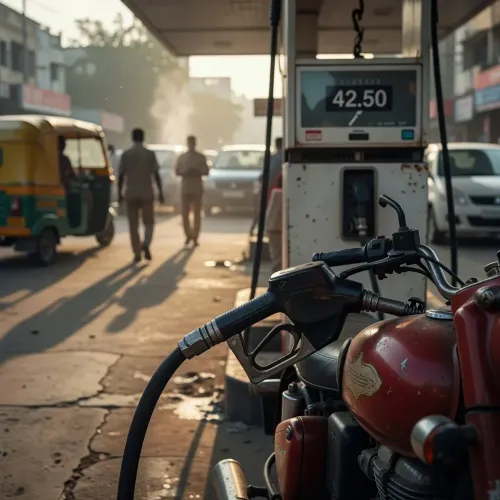
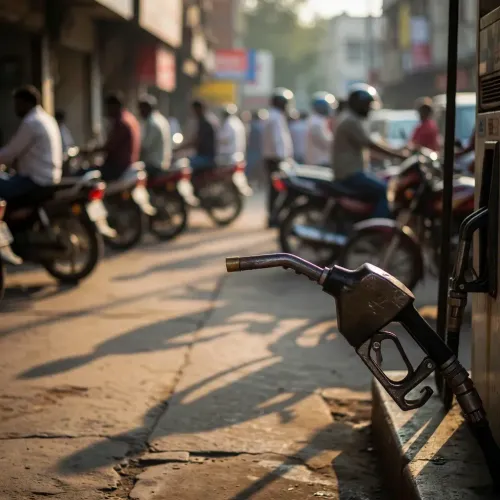
E20 petrol contains 20 per cent ethanol blended with standard petrol under India's biofuel programme.
India's National Policy on Biofuels (2018) originally targeted 20% ethanol blending by 2030 , later advanced to 2025 .
Key stakeholders include vehicle owners , oil marketing companies and sugarcane farmers .
Kejriwal held a simultaneous live press conference, signalling AAP's intent to formally scrutinise the rollout.
A formal response from the Ministry of Petroleum and Natural Gas is being watched by industry and consumers.
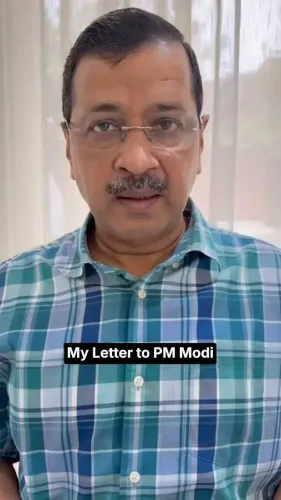
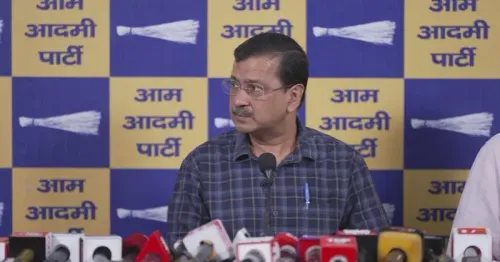
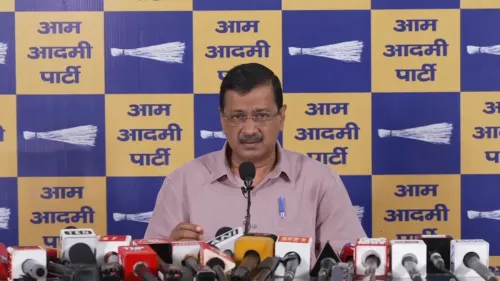
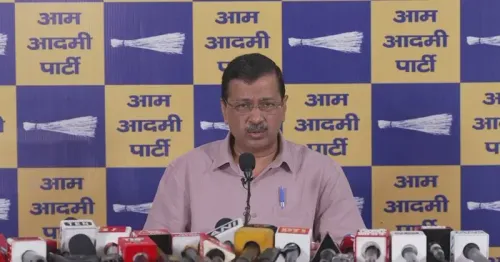
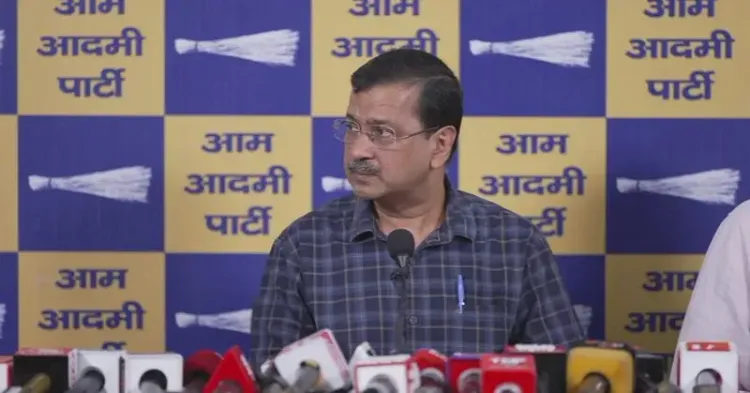
AAP convenor Arvind Kejriwal on Tuesday, 14 July 2026, addressed a letter to Prime Minister Narendra Modi on the rollout of E20 petrol — fuel blended with 20 per cent ethanol — and held a live press conference to elaborate on his concerns about the programme.
Announcing the development on social media, Kejriwal wrote: 'E20 peetrol par Pradhanmantri ko mera patra' ('My letter to the Prime Minister on E20 petrol'), flagging the press interaction as 'important' and streaming it live for public viewing.
Context
E20 petrol is part of India's National Policy on Biofuels, first notified in 2018, which set a target of blending 20 per cent ethanol in petrol by 2030. That deadline was subsequently advanced to 2025, accelerating pressure on oil marketing companies, vehicle manufacturers and state governments to align infrastructure and standards.
The central government began a phased rollout of E20 fuel in select cities from 2022 onwards, alongside incentives for ethanol production from sugarcane and food grains. The initiative is positioned as a tool to reduce crude-oil import dependence, lower tailpipe emissions and boost farmer incomes.
Policy Backdrop
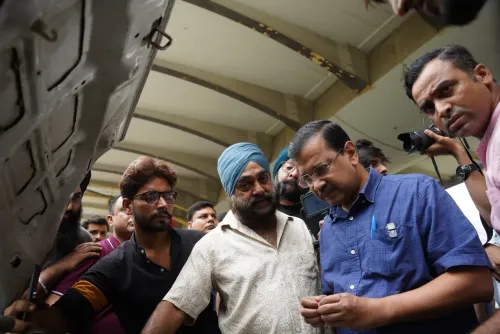
India's ethanol blending programme has progressively raised targets over successive years, with each revision accompanied by changes in fuel specifications, vehicle compatibility norms and retail pricing mechanisms. Auto-industry bodies have flagged concerns about engine compatibility for older vehicles not designed to run on higher ethanol blends.
Opposition leaders and several state governments have periodically questioned the pace of the rollout and whether adequate safeguards exist for existing vehicle fleets. Kejriwal's decision to write directly to the Prime Minister and hold a press conference signals that AAP intends to put the E20 programme under formal political scrutiny.
Stakeholders and Impact
The key groups affected by E20 expansion include vehicle owners — particularly those with older engines — oil marketing companies tasked with upgrading blending and retail infrastructure, and sugarcane farmers who stand to gain from higher ethanol offtake. Pricing of E20 relative to standard petrol is also a consumer concern, given its slightly lower energy density per litre.
Any formal response from the Ministry of Petroleum and Natural Gas or industry associations to Kejriwal's letter will be closely watched, as it could shape the political narrative around one of the government's flagship energy-transition initiatives.
What's Next
The contents of Kejriwal's letter to the Prime Minister and the specific claims made during the press conference will determine how the central government responds. A formal reply from the Ministry of Petroleum and Natural Gas, or a statement from auto-industry associations on engine compatibility and pricing, could follow.
Nationwide expansion of E20 petrol availability remains on the government's agenda, and political pressure from an opposition leader of Kejriwal's profile could influence the pace and terms of that expansion in the months ahead.
Point of View
Farmers and fuel prices, he is reaching three distinct voter constituencies at once. The letter format also forces a paper trail, making any non-response from the central government a political statement in itself. This fits a broader AAP pattern of using policy letters and press events to generate accountability narratives ahead of state election cycles.
NationPress
14 Jul 2026
Frequently Asked Questions
What is E20 petrol in India?
E20 petrol is fuel blended with 20 per cent ethanol and 80 per cent conventional petrol, introduced under India's National Policy on Biofuels to cut crude-oil imports and reduce vehicular emissions.
Why did Kejriwal write to PM Modi about E20 petrol?
AAP convenor Arvind Kejriwal wrote to Prime Minister Narendra Modi on 14 July 2026 to raise concerns about the E20 petrol rollout; the specific contents of the letter were detailed in an accompanying live press conference.
Is E20 petrol safe for all vehicles in India?
E20 petrol is designed for vehicles meeting updated fuel specifications; older engines not engineered for higher ethanol blends may face compatibility issues, a concern flagged by auto-industry bodies during the phased rollout.
When did India start E20 petrol rollout?
The central government began a phased rollout of E20 petrol in select Indian cities from 2022, following the National Policy on Biofuels target that was advanced from 2030 to 2025.
What is India's ethanol blending target for petrol?
India's target is to blend 20 per cent ethanol in petrol nationwide, a goal originally set for 2030 under the 2018 National Policy on Biofuels and subsequently advanced to 2025.