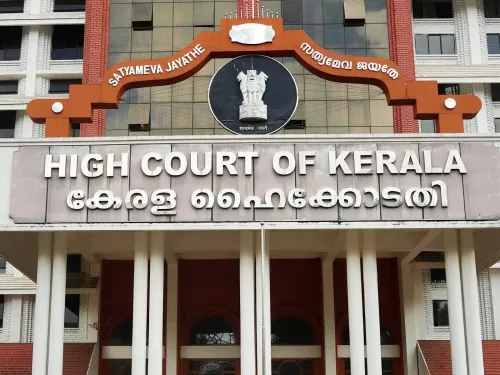
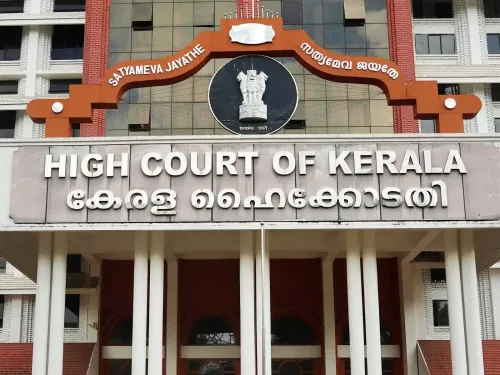
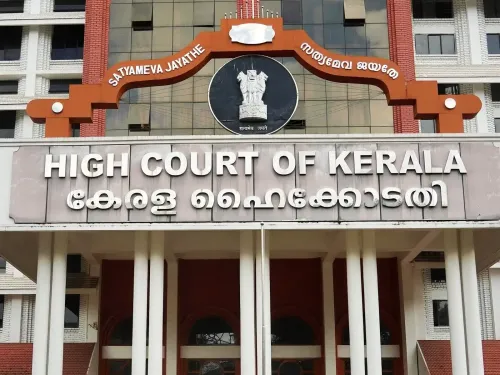
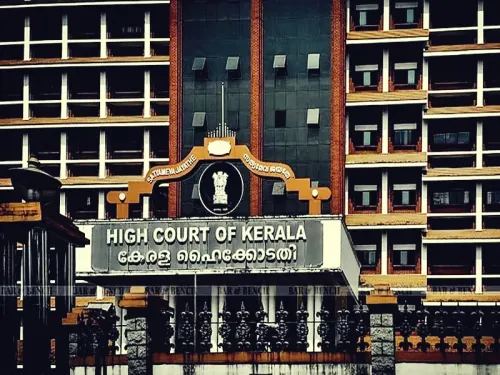
Kerala HC orders Bar Council to name 1,157 advocates practising without certificates

Synopsis
The Kerala High Court has ordered the Bar Council to publicly name 1,157 advocates who have been practising without clearing the AIBE or holding a valid Certificate of Practice — some for over a decade. The ruling goes further than a reprimand: it freezes their ability to file new vakalatnamas and flags existing ones across all courts in the state, exposing a systemic compliance failure the Bar Council had data on but did not act upon.
Key Takeaways
The Kerala High Court has directed the Bar Council of Kerala to publish names of 1,157 advocates enrolled between 2010 and 2021 who lack a valid Certificate of Practice .
A Division Bench of Chief Justice Soumen Sen and Justice V.M.
Syam Kumar passed the order on a public interest litigation .
No new vakalatnama filed by these advocates will be registered; existing ones will be flagged in court records.
The Registrar (District Judiciary) must forward the list to all District Courts in Kerala .
Advocates on the list can seek removal by producing an authenticated copy of a subsequently obtained Certificate of Practice .
The case originated from an RTI application that confirmed a specific advocate's non-compliance during a matrimonial dispute.
The Kerala High Court has directed the Bar Council of Kerala to publicly release the names of 1,157 advocates enrolled between 2010 and 2021 who have not cleared the All India Bar Examination (AIBE) and are practising without a valid Certificate of Practice (CoP). The order, passed by a Division Bench, marks a significant judicial intervention to enforce statutory compliance within the state's legal profession.
Key Directions of the Court
A Division Bench comprising Chief Justice Soumen Sen and Justice V.M. Syam Kumar ordered that the complete list of non-compliant advocates be published on the official websites of both the Bar Council of Kerala and the Kerala High Court. The Bench further directed that no case in which any of these 1,157 advocates has filed a vakalatnama shall be registered by the Registry of the concerned court.
Additionally, where a vakalatnama has already been filed by any advocate on the list, the Registry must make an appropriate endorsement in the case file, ensuring the Bench hearing the matter is informed of that advocate's non-compliant status. The Registrar (District Judiciary) has also been directed to forward the list to all District Courts across Kerala.
How Advocates Can Get Off the List
The court clarified that advocates whose names appear on the list are not permanently barred. Those who have subsequently obtained a valid Certificate of Practice may apply to have their names removed, provided they produce an authenticated copy of the certificate. This provision ensures that advocates who have since fulfilled statutory requirements are not penalised.
Background: How the PIL Was Filed
The matter originated from a matrimonial dispute before a family court, during which the petitioner reportedly discovered that the advocate representing the opposing party had allegedly failed the AIBE and did not hold a valid CoP. The petitioner initially raised the issue with the Bar Council of Kerala and subsequently filed a Right to Information (RTI) application to confirm the advocate's status.
Following the RTI disclosure, the petitioner sought broader details on the AIBE compliance status of all advocates enrolled with the Bar Council of Kerala. In May 2025, the Bar Council furnished a list of advocates enrolled between July 2010 and December 2021 who had neither cleared the AIBE nor obtained a CoP. Unsatisfied with the absence of follow-up action, the petitioner approached the High Court by filing a public interest litigation (PIL).
Legal Framework and What the PIL Sought
The PIL invoked the relevant provisions of the Advocates Act, 1961, which mandates that advocates enrolled after a specified date must clear the AIBE to be eligible to practise. The petitioner alleged that despite the Bar Council's own disclosure, no effective action had been taken against those practising in violation of these requirements.
Notably, this case underscores a systemic compliance gap — the Bar Council had the data on non-compliant advocates but had not acted on it until compelled by the court. The High Court's order now requires the Bar Council to make the list public and take follow-up action in accordance with applicable rules under the Advocates Act.
Implications for Courts and Litigants
The ruling has direct consequences for ongoing and future litigation in Kerala. Litigants represented by any of the 1,157 flagged advocates may face procedural complications, as their vakalatnamas will be flagged in case files. Legal observers note that this order sets a precedent for bar councils across India to proactively audit and publish AIBE compliance data, rather than waiting for court intervention.
The case now moves to the implementation stage, with the Bar Council of Kerala expected to publish the list and district courts to act on the Registrar's forwarded roster.
Point of View
157 non-compliant advocates since May 2025 and did not act. It took a PIL — itself triggered by a single litigant's RTI — to force disclosure and enforcement. This is not merely a Kerala story; bar councils across India have long been criticised for lax self-regulation, and the AIBE — introduced in 2010 precisely to raise the bar — has become a compliance formality that many circumvent for years without consequence. The real test now is whether the Bar Council's public disclosure leads to genuine action or becomes another list that gathers dust on a website.
NationPress
5 Oct 2026
Frequently Asked Questions
Why has the Kerala High Court ordered the Bar Council to publish names of 1,157 advocates?
The Kerala High Court found that 1,157 advocates enrolled between 2010 and 2021 had been practising without clearing the All India Bar Examination (AIBE) or holding a valid Certificate of Practice, violating the Advocates Act, 1961. The court ordered public disclosure to enforce statutory compliance and alert courts handling cases filed by these advocates.
What is the All India Bar Examination (AIBE) and who must clear it?
The AIBE is a mandatory qualifying examination for advocates enrolled after a specified date, introduced to ensure a minimum standard of legal competence. Advocates who fail to clear it are not entitled to a Certificate of Practice and are legally barred from appearing in courts.
What happens to cases already filed by these 1,157 advocates?
Where any of the flagged advocates has already filed a vakalatnama, the court's Registry must make an endorsement in the case file so the presiding bench is aware of the advocate's non-compliant status. No new vakalatnamas from these advocates will be registered until they obtain a valid Certificate of Practice.
Can the 1,157 advocates get their names removed from the list?
Yes. Advocates who have subsequently obtained a valid Certificate of Practice can apply to have their names removed from the published list by producing an authenticated copy of the certificate to the Bar Council.
How did this PIL come about?
The case began when a litigant in a matrimonial dispute discovered that the opposing party's advocate had allegedly failed the AIBE. An RTI application confirmed the status, and the petitioner later approached the Kerala High Court after the Bar Council failed to take effective action despite disclosing a list of non-compliant advocates in May 2025.