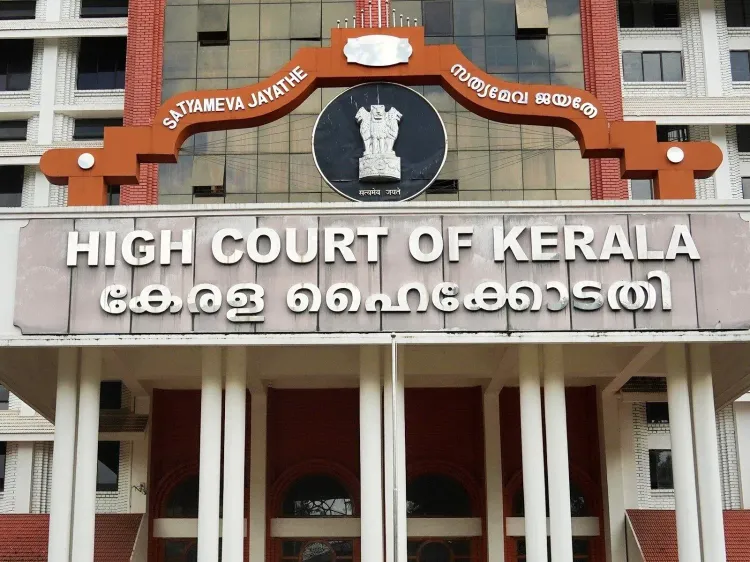
Kerala HC transfers Palakkad child deaths probe — 23 cases — to CBI
Synopsis
The Kerala High Court has handed over a 13-year-old cluster of 23 child deaths in Palakkad to the CBI, citing irregularities in the state Crime Branch's own status report. With KeLSA already in the proceedings and district-wide child protection directives now in force, this case is as much about systemic failure as it is about criminal accountability.
Key Takeaways
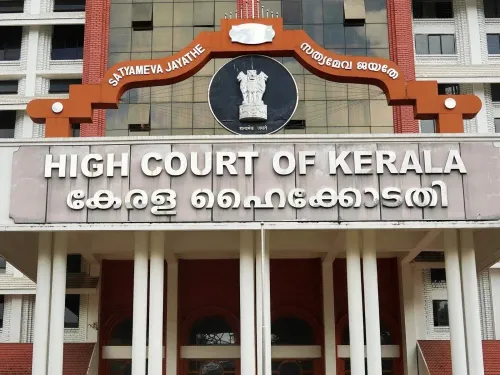
The Kerala High Court on 12 June ordered the CBI to investigate 23 child deaths in Palakkad district spanning 13 years .
The bench — Chief Justice Soumen Sen and Justice V.M.
Syam Kumar — found irregularities in the Crime Branch's handling of Crime No.
21/2010 of Kollengode Police Station .
The state Crime Branch must hand over all records, including post-mortem reports, to the CBI without delay.
Palakkad district police chief Ajit Kumar had affirmed the list of 23 cases submitted by the state government.
District and Taluk Legal Services bodies across Kerala have been directed to run child protection and awareness programmes, with monthly compliance reports mandated.
The next hearing is scheduled for 6 August .
The Kerala High Court on 12 June directed the Central Bureau of Investigation (CBI) to take over the investigation into 23 child deaths reported in Palakkad district over the past 13 years, citing irregularities in how at least one case was handled by state authorities. The order was passed by a division bench comprising Chief Justice Soumen Sen and Justice V.M. Syam Kumar while hearing a public interest litigation demanding a comprehensive probe into the unnatural deaths.
Key Developments
The bench specifically ordered the transfer of Crime No. 21/2010 of Kollengode Police Station from the state Crime Branch to the CBI, after examining a status report that revealed several procedural irregularities. The Crime Branch has been directed to hand over all connected records — including the post-mortem report and other evidence — to the CBI without delay.
The court has also sought a report from the CBI on all 23 cases involving child deaths, which were listed in a statement of facts submitted by the state government and affirmed by Palakkad district police chief Ajit Kumar. The agency has been permitted to seek additional information from state police and district authorities before filing its report.
What the Court Found
The division bench observed that the Crime Branch's own status report disclosed irregularities serious enough to warrant intervention by a central agency. The court's concern centres on whether all possible angles — including social and systemic factors — were adequately examined across more than a decade of reported deaths in the district. Notably, the Kerala State Legal Services Authority (KeLSA) has already been impleaded in the proceedings, with the court acknowledging that certain social factors may have contributed to the deaths.
Child Protection Measures Ordered
Beyond ordering a fresh investigation, the high court directed District Legal Services Authorities and Taluk Legal Services Committees across Kerala to implement awareness and protection programmes covering child rights, counselling, school outreach, community-based monitoring, and the promotion of child helplines — acting on proposals submitted by KeLSA.
Monthly compliance reports have been mandated, and KeLSA has been directed to ensure strict implementation of all measures. This signals that the court views the issue not merely as a criminal investigation failure but as a broader child welfare and governance concern.
What Happens Next
The case is next scheduled to be heard on 6 August. The CBI will be expected to present its preliminary findings on the 23 listed cases by that date. How the agency approaches cases beyond Crime No. 21/2010 — particularly those already closed by state police — will be closely watched by child rights groups and legal observers.
Point of View
In part, an indictment of the state Crime Branch — the court's own reading of the agency's status report found it wanting. What is striking is the span: 23 deaths over 13 years in a single district, and the systemic questions they raise were not surfaced until a PIL forced judicial scrutiny. The impleading of KeLSA suggests the court suspects the failures are not purely investigative but also social and institutional. Whether the CBI can meaningfully re-examine cases where evidence is years old — and whether state cooperation will be forthcoming — are the real tests ahead.
NationPress
25 Sept 2026
Frequently Asked Questions
Why has the Kerala High Court transferred the Palakkad child deaths case to the CBI?
The Kerala High Court transferred the probe because the state Crime Branch's own status report revealed irregularities in the investigation of at least one case, specifically Crime No. 21/2010 of Kollengode Police Station. The court found these irregularities serious enough to warrant intervention by a central agency.
How many child deaths are under CBI scrutiny in Palakkad?
The CBI has been asked to examine 23 cases involving child deaths in Palakkad district, as listed in a statement of facts submitted by the state government and affirmed by Palakkad district police chief Ajit Kumar. The deaths span a period of over 13 years.
What child protection measures has the court ordered alongside the investigation?
The high court directed District Legal Services Authorities and Taluk Legal Services Committees across Kerala to implement programmes on child rights, counselling, school outreach, community monitoring, and child helplines. Monthly compliance reports have been mandated, with KeLSA responsible for oversight.
When will the Kerala High Court next hear the Palakkad child deaths case?
The case is next listed for hearing on 6 August. The CBI is expected to file a preliminary report on the 23 cases before that date.
What is KeLSA's role in this case?
The Kerala State Legal Services Authority (KeLSA) was impleaded in the proceedings after the court observed that certain social factors may have contributed to the deaths. KeLSA submitted proposals for child protection programmes, which the court has now directed district and taluk-level authorities to implement.