Kerala water policy 2027: Conclave, MLA panels, Mullaperiyar petition planned
Synopsis
Kerala is overhauling its entire water governance architecture — from a new 2027 policy and 140 MLA-led local committees to a Supreme Court petition on Mullaperiyar and a ₹4,000 crore ADB-backed coastal project. The plan also targets the startling stat that nearly half the water pumped from Aruvikkara never reaches taps.
Key Takeaways
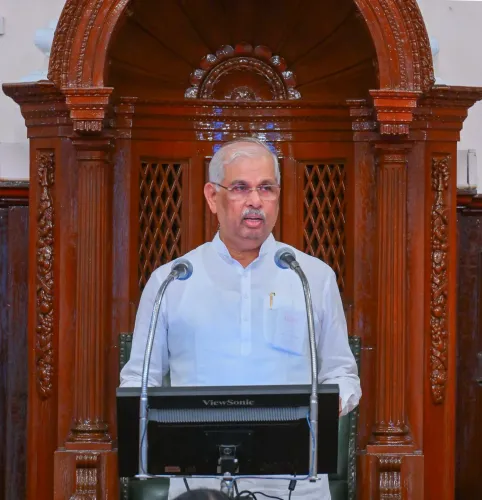
Water Resources Minister Mons Joseph announced Kerala's comprehensive water policy will be introduced in early 2027 .
A Kerala Water Conclave will be held in Thiruvananthapuram in the first week of December 2026 to finalise the policy with expert inputs.
Nearly half the water pumped from Aruvikkara is lost before reaching consumers; a pilot leak-detection project will be launched in Thiruvananthapuram.
MLA-headed committees will be formed in all 140 Assembly constituencies from January 2027 to address local water problems.
Kerala will file a special petition in the Supreme Court to implement the 2024 verdict on the Mullaperiyar dam safety inspection, with senior advocate Mohan V.
Kattarki as lead counsel.
A ₹4,000 crore coastal protection project backed by the Asian Development Bank and a drive to recover ₹8,000 crore in Jal Jeevan Mission dues from the Centre are also on the agenda.
Kerala will introduce a comprehensive water policy in early 2027 as part of a sweeping reform of its drinking water and irrigation sectors, Water Resources Minister Mons Joseph announced on Monday, 2 November 2026, in Thiruvananthapuram. The policy aims to bring multiple departments under a unified Water Resources Department framework, making the Kerala Water Authority and allied agencies more efficient and citizen-friendly.
Kerala Water Conclave and Policy Rollout
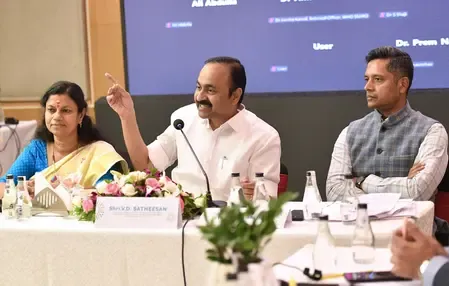
A Kerala Water Conclave will be held in Thiruvananthapuram during the first week of December 2026, where domain experts will deliberate on the proposed policy before its formal rollout. The conclave is intended to gather technical and community-level inputs ahead of the early-2027 announcement.
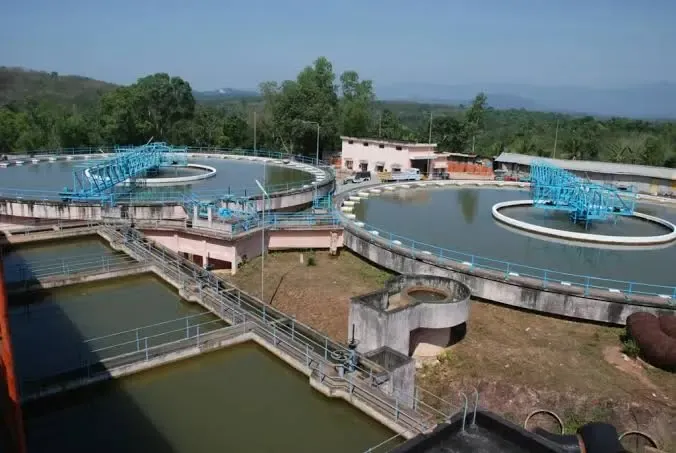
The government will simultaneously launch a pilot project in Thiruvananthapuram to tackle water loss during distribution. According to the minister, nearly half the water pumped from Aruvikkara is lost before reaching consumers — a systemic inefficiency the state plans to address using new leak-detection technology. A successful pilot will pave the way for a statewide rollout.
MLA-Led Committees and Governance Structure
From January 2027, committees headed by Members of the Legislative Assembly (MLAs) will be constituted in all 140 Assembly constituencies to resolve local drinking water and irrigation problems. Members will include local body representatives and officials from the Water Authority, Public Works Department (PWD), and Local Self-Government Department.
The committees will convene every month, while district-level reviews will be conducted every three months under district Collectors. The minister will personally review their progress every six months, establishing a clear accountability chain from the grassroots to the ministerial level.
Mullaperiyar Dam: Supreme Court Petition and Safety Review
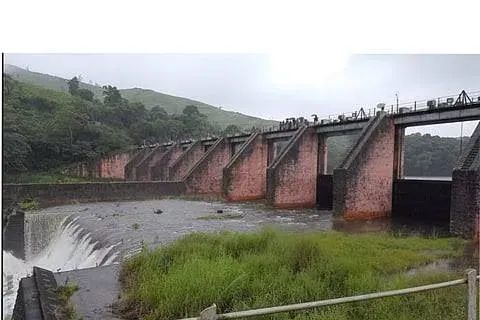
On the long-running Mullaperiyar dam dispute, Kerala will file a special petition in the Supreme Court seeking implementation of the court's 2024 verdict, which permitted a detailed safety inspection of the dam. Senior advocate Mohan V. Kattarki has been appointed as the state's lead counsel for the petition.
The state will also seek the Centre's intervention to resolve its ongoing dispute with Tamil Nadu over the dam. Separately, a safety assessment of 22 dams under the Irrigation Department and the Water Authority is to be completed by 31 December 2026.
Coastal Protection, Seawater Desalination and Jal Jeevan Mission
The government is considering plants to convert seawater into drinking water in coastal areas — a move that could provide a long-term supply buffer for the state's extensive coastline. A ₹4,000 crore coastal protection project, to be implemented with support from the Asian Development Bank (ADB), has also been announced. Beyond the already-identified hotspots of Chellanam and Pozhiyoor, 10 additional major coastal hotspots have been earmarked.
On the Jal Jeevan Mission, the state is accelerating project execution and will hold talks with the Union Jal Shakti Ministry to recover nearly ₹8,000 crore in dues from the Centre. A ₹7,000 crore NABARD loan has already been used to clear a significant portion of outstanding dues to contractors.
A master plan will be drawn up to provide a lasting solution to drinking water shortages in Thiruvananthapuram city, Kazhakkoottam, and Technocity, with the government aiming to complete it within the current term.
Other Key Measures
A committee has been formed to study the severe growth of water weeds in Kuttanad and Upper Kuttanad, including examination of foreign technologies to process the weeds into useful products. The government has also revised the road-repair protocol after water-pipe laying: the PWD will restore state roads, local bodies will handle village and panchayat roads, and the Water Authority will transfer the requisite funds to the respective agencies.
The closed Malampuzha garden will be renovated and reopened, while dam sites and canals are to be developed as tourist destinations. Guest houses and inspection bungalows under the Water Authority and Irrigation Department will be renovated and may be opened to the public at reasonable rates. The department also plans to map all its land within six months and take action against encroachments.
With the conclave set for December and MLA committees expected by January, Kerala's water reform agenda is on a tight implementation clock — and how quickly the state can turn announcements into infrastructure will define the policy's real-world impact.
Point of View
But the sheer breadth — 140 MLA committees, dam safety reviews, seawater desalination, coastal protection, weed management, and a Supreme Court petition all announced in one go — raises a familiar governance question: can the state execute on every front simultaneously? The Aruvikkara water-loss figure, nearly 50 per cent, is a damning indictment of decades of infrastructure under-investment and should have been the centrepiece, not one item in a long list. The Mullaperiyar petition is politically significant but has a long litigation horizon. The real test will come in January 2027: if the MLA committees are staffed, funded, and meeting on schedule, it signals genuine administrative intent; if they drift into inactivity like many such bodies before them, the 2027 policy risks becoming another well-intentioned document without delivery.
NationPress
2 Nov 2026
Frequently Asked Questions
What is Kerala's new water policy and when will it be introduced?
Kerala's comprehensive water policy is scheduled to be introduced in early 2027 as a major reform of the state's drinking water and irrigation sectors. It will bring multiple departments under the Water Resources Department and aims to make the Kerala Water Authority more efficient and citizen-friendly.
What is the Kerala Water Conclave and when will it be held?
The Kerala Water Conclave is a gathering of domain experts to discuss and shape the proposed water policy before its formal rollout. It is scheduled to be held in Thiruvananthapuram during the first week of December 2026.
What is Kerala's position on the Mullaperiyar dam dispute?
Kerala plans to file a special petition in the Supreme Court seeking implementation of the court's 2024 verdict, which allowed a detailed safety inspection of the Mullaperiyar dam. Senior advocate Mohan V. Kattarki has been appointed as lead counsel, and the state will also seek the Centre's intervention to resolve the dispute with Tamil Nadu.
How will MLA-headed water committees work in Kerala?
From January 2027, committees chaired by MLAs will be formed in all 140 Assembly constituencies to address local drinking water and irrigation issues. They will include local body representatives and officials from the Water Authority, PWD, and Local Self-Government Department, meeting every month with district-level reviews every three months.
What is Kerala's plan for coastal protection and Jal Jeevan Mission dues?
Kerala will implement a ₹4,000 crore coastal protection project with Asian Development Bank support, covering 12 identified hotspots including Chellanam and Pozhiyoor. On Jal Jeevan Mission, the state will negotiate with the Union Jal Shakti Ministry to recover nearly ₹8,000 crore in dues from the Centre; a ₹7,000 crore NABARD loan has already cleared a significant portion of contractor dues.