Kerala's ₹5 lakh crore debt: Expert points Satheesan to a tax-leakage fix
Synopsis
With Kerala drowning in ₹5 lakh crore of debt and its first UDF Budget days away, a former CAG official says the state doesn't need new taxes — it needs to collect the ones it's already owed. A technology-driven audit of the commercial taxes department, he argues, could unlock hundreds of crores hiding in plain sight.
Key Takeaways
Kerala's public debt exceeds ₹5 lakh crore , with the UDF government's maiden Budget due on 19 June .
Former CAG Director General Dr Biju Jacob says the state can raise revenue by plugging tax leakages — without imposing new taxes.
Nearly 15 lakh tax returns are filed annually in Kerala, but only a small fraction undergo detailed scrutiny.
A CAG Information System Audit conducted over a decade ago identified structural weaknesses in the Commercial Taxes Department that reportedly persist.
Jacob proposes a fresh, technology-driven audit involving tax officials, CAG experts, and chartered accountants — completable within months.
Satheesan holds the Finance portfolio and faces pressure to balance welfare commitments with fiscal discipline.
With Kerala carrying a public debt burden exceeding ₹5 lakh crore and the new United Democratic Front (UDF) government set to present its maiden Budget on 19 June, a veteran public finance expert has outlined an alternative route to bolstering state revenues — one that requires neither fresh taxes nor higher fees for citizens.
The Expert's Core Argument
Dr Biju Jacob, a former Principal Accountant General of Kerala and former Director General in the Comptroller and Auditor General (CAG) office, said Kerala's immediate fiscal problem is not a shortage of revenue sources but the state's failure to fully capture taxes that are already legally owed. Speaking to reporters in Thiruvananthapuram on 12 June, he argued that plugging existing leakages — particularly in commercial taxes and GST-related transactions — could unlock hundreds of crores without burdening taxpayers further.
'In a debt-ridden Kerala searching for fiscal breathing space, the hidden treasury may lie within the tax system itself,' Jacob said.
The Fiscal Backdrop
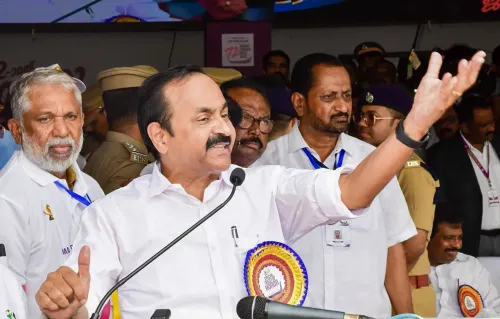
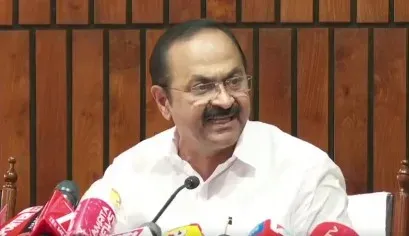
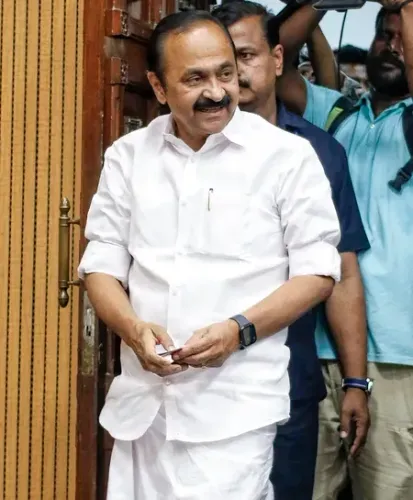
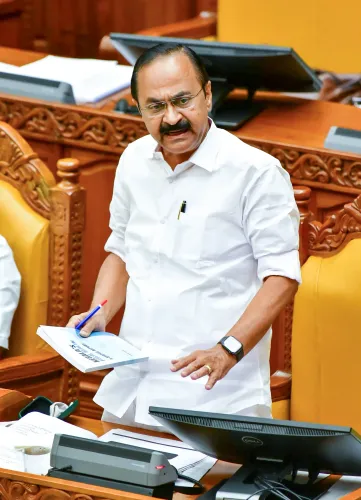
The UDF government's fiscal white paper, released shortly after it assumed office, painted a stark picture of the state's finances. Chief Minister V.D. Satheesan, who has also taken charge of the Finance portfolio, faces the dual pressure of honouring welfare commitments made during the election campaign while restoring fiscal discipline. Structural reforms — such as raising the pension age or cutting expenditure — are expected to face significant political resistance, while tax hikes risk public backlash ahead of local body elections.
What the CAG Audit Revealed
Jacob pointed to a comprehensive Information System Audit conducted by the CAG in Kerala's Commercial Taxes Department more than a decade ago. That audit, he said, exposed deep structural weaknesses in the tax administration system and identified areas where substantial revenue had escaped assessment. Among the vulnerabilities documented: the splitting of business turnover across multiple registrations, misuse of tax exemptions and deductions, and inadequate scrutiny of returns due to manpower constraints.
Notably, while Kerala's tax regime has since transitioned from sales tax to VAT and then to GST, many of the structural gaps the audit flagged reportedly remain unaddressed. With nearly 15 lakh tax returns filed annually, only a small fraction undergo detailed examination — leaving vast volumes of data unchecked and creating, according to Jacob, a fertile ground for revenue leakage that routinely goes unnoticed.
The Proposed Fix
Jacob's prescription is a fresh, technology-driven Information System Audit of the commercial taxes department, conducted jointly by tax officials, CAG experts, and chartered accountants. He argued that such an exercise could be completed within a few months and potentially identify recoverable revenue running into hundreds of crores. This comes amid broader calls for states to modernise tax administration using data analytics and AI-assisted return scrutiny.
What Happens Next
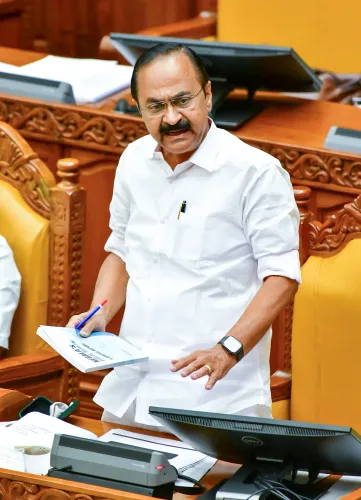
As Satheesan prepares to unveil his first Budget on 19 June, Jacob's proposal offers a politically palatable option: mobilising resources by collecting taxes already due, rather than imposing new ones. Whether the government incorporates such a recommendation into its fiscal strategy will likely become clear once the Budget is tabled. Analysts will be watching for any allocation toward tax administration reform or a renewed CAG engagement with the commercial taxes department.
Point of View
But through chronic under-collection of taxes already on the books. Jacob's proposal is not new; CAG audits have flagged these gaps for over a decade, and successive governments have shelved the findings. The real question is whether the Satheesan government, under acute debt pressure, will finally treat tax administration reform as a revenue strategy rather than a bureaucratic exercise. A Budget that allocates resources to audit infrastructure and return scrutiny technology would signal a genuine shift. One that does not will confirm that Kerala's fiscal debate remains stuck in the comfortable territory of blaming the Centre for insufficient transfers.
NationPress
26 Sept 2026
Frequently Asked Questions
How much debt does Kerala currently carry?
Kerala's public debt burden exceeds ₹5 lakh crore, according to the fiscal white paper released by the UDF government after it assumed office. The state's finances have been described as under severe stress, with limited room for fresh borrowing or new welfare expenditure.
Who is Dr Biju Jacob and what is he recommending?
Dr Biju Jacob is a former Principal Accountant General of Kerala and former Director General in the Comptroller and Auditor General office. He is recommending a fresh, technology-driven Information System Audit of Kerala's Commercial Taxes Department — conducted jointly by tax officials, CAG experts, and chartered accountants — to identify and recover revenue lost to tax leakages, without imposing new taxes.
What tax leakages has the CAG previously identified in Kerala?
A CAG Information System Audit conducted over a decade ago flagged the splitting of business turnover across multiple registrations, misuse of tax exemptions and deductions, and inadequate scrutiny of returns due to manpower constraints. Jacob argues these structural vulnerabilities remain relevant despite the transition from sales tax to VAT and GST.
When is Kerala's first UDF Budget being presented?
The UDF government's maiden Budget is scheduled to be presented on 19 June. Chief Minister V.D. Satheesan, who also holds the Finance portfolio, is expected to outline the government's fiscal roadmap amid significant debt pressure and public expectations from welfare commitments.
Why are structural reforms like pension age hikes politically difficult for Kerala?
Measures such as raising the pension age or cutting expenditure are expected to face strong resistance from public sector unions and opposition groups, while tax hikes risk public backlash. This is why Jacob's proposal — recovering taxes already legally due — is seen as a politically safer option ahead of local body elections.