Kharif Conclave 2026: Chouhan says Centre fully geared to boost pulses, oilseeds output
Synopsis
India has hit a record 3,765.63 lakh tonnes of foodgrain in 2025-26 and overtaken China in rice production — and at Kharif Conclave 2026, Agriculture Minister Shivraj Singh Chouhan is betting the country can go further by cracking its longstanding dependence on imported pulses and oilseeds.
Key Takeaways
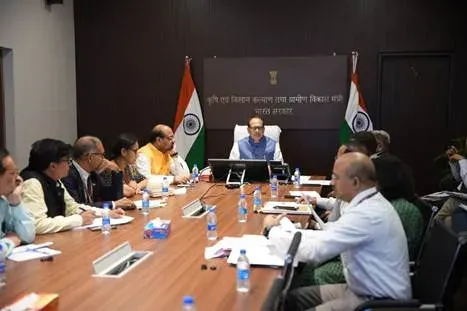
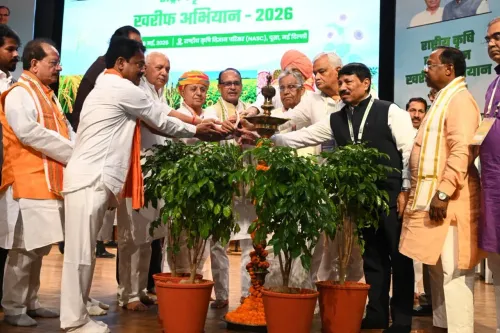
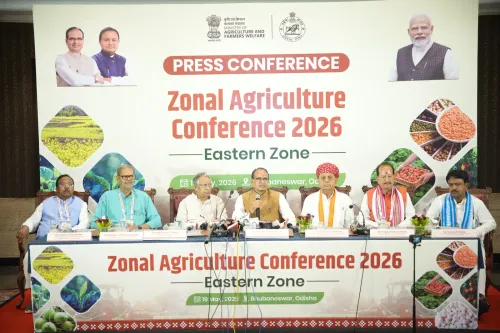
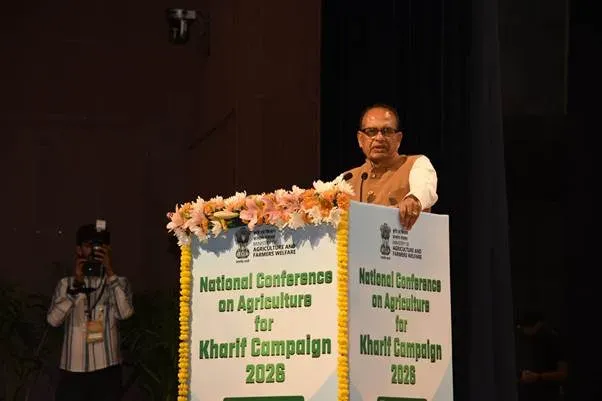
Kharif Conclave-2026 opened on 28 May 2026 at Pusa Complex, New Delhi , with state ministers, ICAR scientists, and officials in attendance.
India recorded a total estimated foodgrain production of 3,765.63 lakh tonnes in 2025-26 , about 188 lakh tonnes more than the previous year.
Rice production reached 1,540.24 lakh tonnes , making India the world's top rice producer, surpassing China .
Oilseed production estimated at 430.59 lakh tonnes ; groundnut at 130.74 lakh tonnes and rapeseed-mustard at 137.68 lakh tonnes — both record levels.
Separate missions created for pulses and oilseeds ; conclave to focus on seed replacement, natural farming, soil health, and climate resilience.
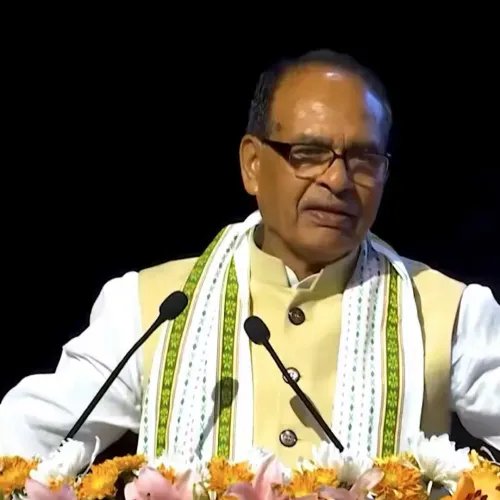
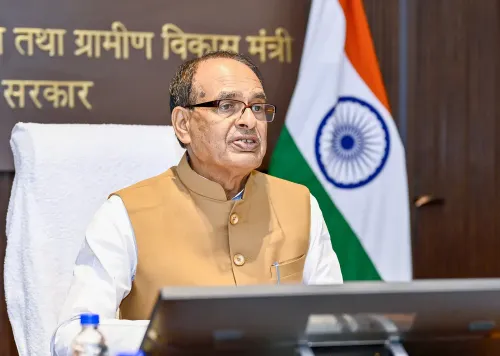
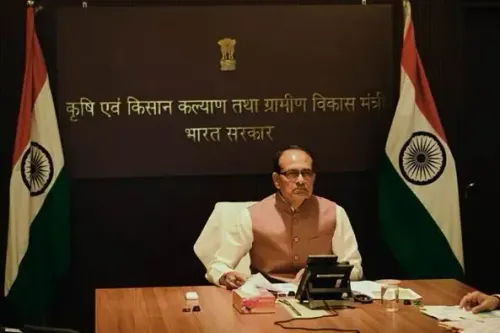
Union Agriculture and Farmers Welfare Minister Shivraj Singh Chouhan on Thursday, 28 May 2026, declared that the Centre's preparations for the kharif season are in full swing, with 'Team Agriculture' prioritising self-reliance in pulses and oilseeds. Chouhan made the remarks while addressing the Kharif Conclave-2026 at Pusa Complex, New Delhi, attended by state agriculture ministers, scientists, and senior officials from across the country.
What the Conclave Covers
The two-day conclave brings together representatives from the Indian Council of Agricultural Research (ICAR), all states, and Union Territories for a detailed review of kharif and rabi crop preparations. Discussions are focused on the availability of suitable seeds, increasing the seed replacement rate, and effective delivery of agriculture missions at the ground level.
Separate missions have been created for pulses and oilseeds, Chouhan confirmed. The conclave will also deliberate on the Integrated Development of Horticulture and Cotton Mission, demonstration and processing arrangements, and the promotion of natural farming, soil health cards, and balanced fertiliser use.
Record Foodgrain Output in 2025-26
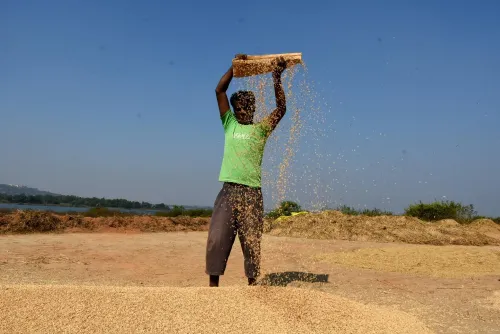
Chouhan highlighted that India has achieved a record total estimated foodgrain production of 3,765.63 lakh tonnes in 2025-26 — approximately 188 lakh tonnes more than the previous year. He attributed the milestone to farmers' hard work, Central government schemes, and newly developed seed varieties.
India has also set a new record in rice production, reaching 1,540.24 lakh tonnes, surpassing China to become the world's top rice producer, according to Chouhan. Oilseed production is estimated at 430.59 lakh tonnes, with groundnut output at 130.74 lakh tonnes and rapeseed-mustard at 137.68 lakh tonnes — both at record levels. Pulses production has also registered an increase, with further gains expected in coming years.
Climate Change Flagged as a Key Challenge
The minister described climate change as a major challenge for Indian agriculture, citing erratic rainfall, prolonged dry spells, and rising temperatures as rapidly altering farming conditions. He said the conclave will specifically address strategies to keep farming safe and sustainable in this changing environment.
Notably, Chouhan acknowledged that agriculture is a state subject and that better outcomes depend on state-level implementation, with the Centre playing a supporting role. Prior to the conclave, virtual meetings were held with states to align on key topics.
What Comes Next
The conclave's outcomes are expected to feed directly into kharif season planning across states. With a fresh push on oilseed and pulse self-reliance, the government is signalling a strategic shift away from import dependence — a recurring pressure point for India's food inflation management. How states translate the conclave's directives into on-ground delivery will be the critical test in the months ahead.
Point of View
But the harder challenge — reducing import dependence in edible oils and pulses — remains unresolved. Separate missions for pulses and oilseeds are a step in the right direction, but mission creation and mission delivery are two different things; India has a history of the former outpacing the latter. The conclave's real value will be in whether states leave with actionable seed replacement targets and climate adaptation plans, not just headline production ambitions. Climate volatility is no longer a background risk — it is the central variable in Indian kharif planning, and the government's acknowledgement of that at the highest level is overdue.
NationPress
25 Sept 2026
Frequently Asked Questions
What is the Kharif Conclave 2026?
The Kharif Conclave-2026 is a two-day national-level brainstorming event held at Pusa Complex, New Delhi, bringing together state agriculture ministers, ICAR scientists, and senior officials to review kharif season preparations and align on crop production strategies. It was inaugurated by Union Agriculture Minister Shivraj Singh Chouhan on 28 May 2026.
What is India's total foodgrain production in 2025-26?
India's total estimated foodgrain production in 2025-26 has reached a record 3,765.63 lakh tonnes, approximately 188 lakh tonnes more than the previous year. The government attributes this to farmer effort, Central schemes, and new seed varieties.
Has India really surpassed China in rice production?
According to Agriculture Minister Shivraj Singh Chouhan, India's rice production has reached 1,540.24 lakh tonnes in 2025-26, making it the world's top rice producer, surpassing China. The claim was made at the Kharif Conclave-2026 and has not yet been independently verified by a third-party body.
What are the key focus areas of the conclave?
The conclave is focused on kharif and rabi crop preparation, seed availability and replacement rates, pulses and oilseeds self-reliance, the Integrated Development of Horticulture and Cotton Mission, natural farming, soil health cards, balanced fertiliser use, and climate resilience strategies.
Why is self-reliance in pulses and oilseeds a priority?
India has historically been a significant importer of edible oils and pulses, making domestic prices vulnerable to global supply shocks. Achieving self-reliance in these categories is a key lever for managing food inflation and reducing the import bill, which is why the Centre has created separate missions for both commodities.