India hits record 376.56 MT food grain output; Chouhan urges farmer-first reforms
Synopsis
India has crossed a record 376.56 million tonnes in food grain production — but Union Minister Shivraj Singh Chouhan's message at Kharif Campaign 2026 went beyond the milestone: rules must serve farmers, not the other way around. With missions on pulses, oilseeds, and cotton under scrutiny, the conference signals a push to convert headline numbers into ground-level income gains.
Key Takeaways
India's food grain production has reached an all-time high of approximately 376.563 million tonnes , according to advance estimates.
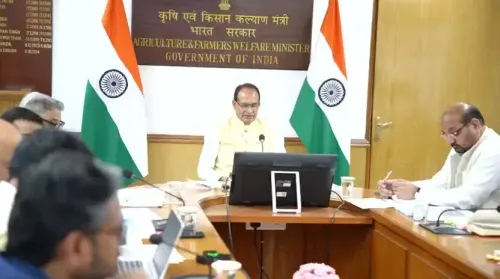
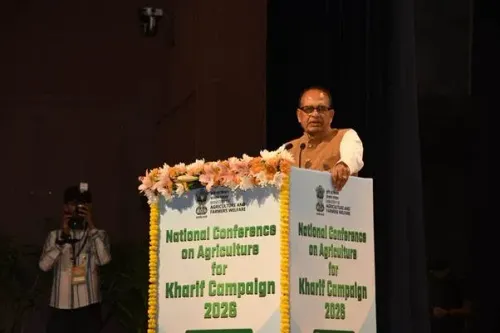
Union Minister Shivraj Singh Chouhan addressed the National Agriculture Conference — Kharif Campaign 2026 in New Delhi on 29 May .
India has become the world's largest producer of rice , with gains also recorded in wheat, maize, pulses, and oilseeds.
Chouhan called for personal state-level oversight of the Pulses Mission , Oilseeds Mission , and Cotton Mission .
Scientists were urged to develop short-duration crop varieties for tur, soybean, and oilseeds aligned with farmers' needs.
Soil Health Cards must be actively used at field level, not treated as administrative documents, the minister stressed.
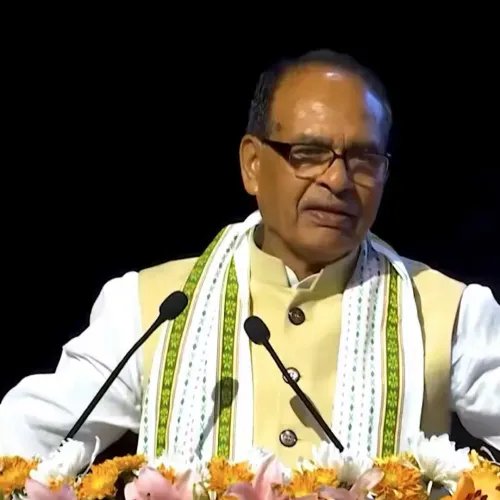
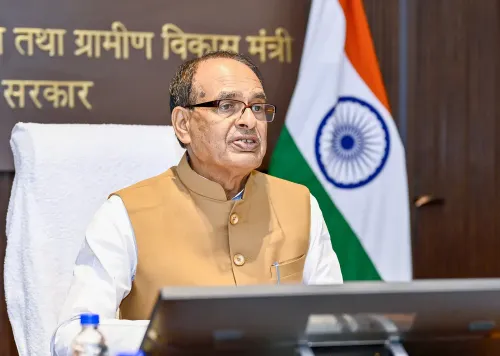
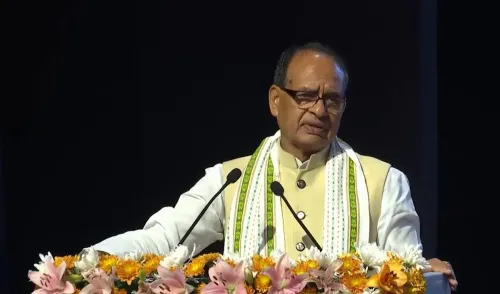
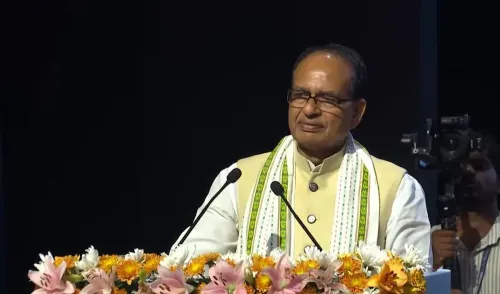
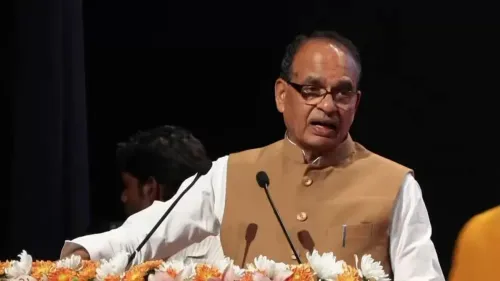
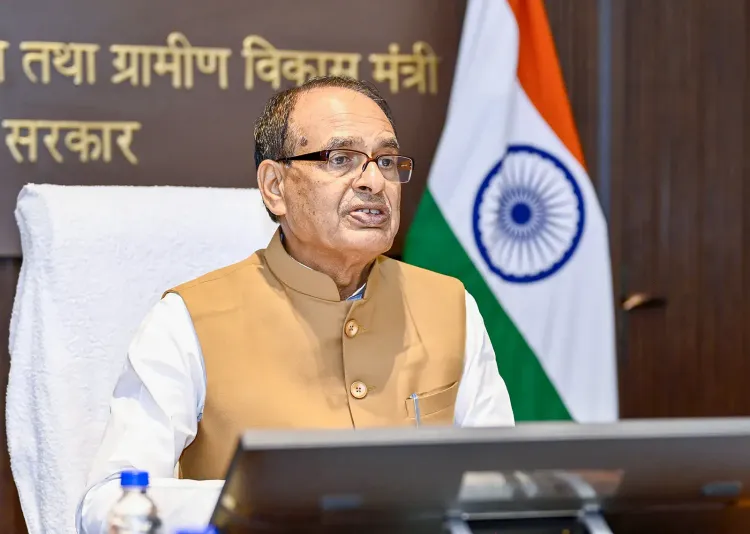
Union Minister for Agriculture & Farmers Welfare and Rural Development Shivraj Singh Chouhan on Friday, 29 May called on state governments to strip away unnecessary procedural hurdles and pivot to farmer-centric governance, even as he announced that India's total food grain production has reached an all-time high of approximately 376.563 million tonnes, according to advance estimates from the Ministry of Agriculture & Farmers Welfare. The remarks came on the second day of the National Agriculture Conference — Kharif Campaign 2026 in New Delhi.
Record Output Across Crops
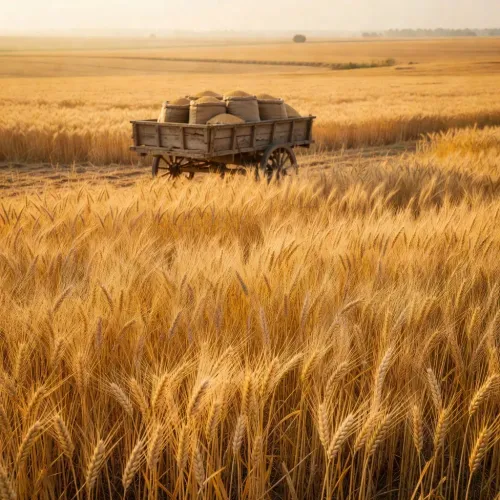
Chouhan highlighted that India has emerged as the world's leading producer of rice, while significant gains have also been recorded in wheat, maize, pulses, and oilseeds. The 376.563 million tonne figure, if confirmed in final estimates, would mark the highest food grain harvest in the country's history. The minister attributed the milestone to coordinated policy efforts and the contributions of farmers, scientists, and state administrations.
Farmer-Centric Governance: The Core Message
Chouhan was unambiguous in reframing the purpose of agricultural administration. 'Rules and procedures exist for the convenience of farmers — farmers do not exist for rules,' he said. He urged state ministers, senior officials, scientists, and progressive farmers — all of whom participated in what he described as a 'Team India' platform — to ensure that governance impact is visible 'not merely in files, but in people's lives.' The strong attendance of state agriculture ministers lent the conference a collaborative, multi-stakeholder character.
Key Missions Under Review
The minister specifically called on states to personally oversee the implementation of the Pulses Mission, Oilseeds Mission, Cotton Mission, and other major agricultural campaigns. He pushed for time-bound, result-oriented action driven by policy, innovation, and commitment, asking ministers to personally lead initiatives to deliver faster, tangible outcomes on the ground.
Science, Soil Health, and Nutritional Security
Chouhan urged agricultural scientists to shift toward faster, practical, and demand-driven research aligned with farmers' actual needs. Special emphasis was placed on developing short-duration crop varieties, particularly for tur, soybean, and oilseed crops. He also stressed that Soil Health Cards must move beyond paperwork and be actively used at the field level to help farmers identify nutrient deficiencies and optimise fertiliser use. Beyond production, the minister underlined the need to increase farmers' incomes, make agriculture more profitable, and give equal weight to nutritional security alongside food security.
What Comes Next
The conference is expected to shape the operational priorities for the Kharif 2026 season, with states tasked to translate conference outcomes into field-level action. The focus on missions for pulses and oilseeds signals a continued push to reduce India's dependence on edible oil imports — a structural vulnerability that has persisted for years. Whether state governments follow through on Chouhan's call for procedural simplification will be the real test of the conference's impact.
Point of View
But the harder question is whether they translate into farmer income — India's persistent structural gap. Chouhan's 'rules serve farmers' framing is the right instinct, but procedural complexity in agriculture is often a state-level problem that the Centre can urge but not mandate away. The renewed push on pulses and oilseeds missions matters most: edible oil import dependency remains a balance-of-payments risk that record rice output does not fix. The real accountability test will come when Kharif harvest data is reconciled against these advance estimates later in the year.
NationPress
19 Sept 2026
Frequently Asked Questions
What is India's record food grain production figure announced in 2026?
India's total food grain production has reached approximately 376.563 million tonnes, according to advance estimates released at the National Agriculture Conference — Kharif Campaign 2026. This is the highest figure ever recorded in the country's history.
What did Shivraj Singh Chouhan say about farmer-centric governance?
Union Minister Shivraj Singh Chouhan stated that rules and procedures exist for the convenience of farmers, not the other way around. He urged states to remove unnecessary procedural complexities and ensure governance impact is visible in people's lives, not just in official files.
Which agricultural missions did Chouhan ask states to prioritise?
Chouhan specifically asked state governments to personally review and oversee the implementation of the Pulses Mission, Oilseeds Mission, Cotton Mission, and other major agricultural campaigns, with a focus on time-bound and result-oriented delivery.
Why is the focus on short-duration crop varieties significant?
Short-duration varieties for crops like tur, soybean, and oilseeds allow farmers to manage crop cycles more flexibly, reduce weather-related risk, and potentially fit in additional cropping rounds. The minister urged scientists to prioritise such demand-driven research aligned with what farmers actually need.
What is the significance of Soil Health Cards in this context?
Soil Health Cards are government-issued documents that map nutrient levels in a farmer's land and recommend appropriate fertiliser use. Chouhan stressed they must be actively used at the field level rather than remaining as paperwork, so farmers can make informed decisions about soil management.