Khattar Splits Housing Ministry Into Two Departments
Synopsis
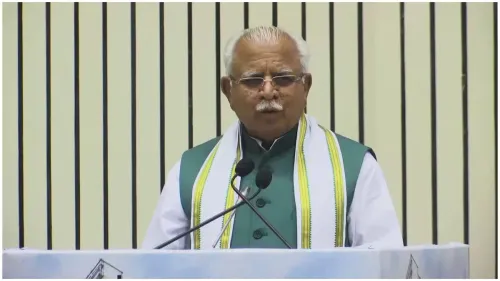
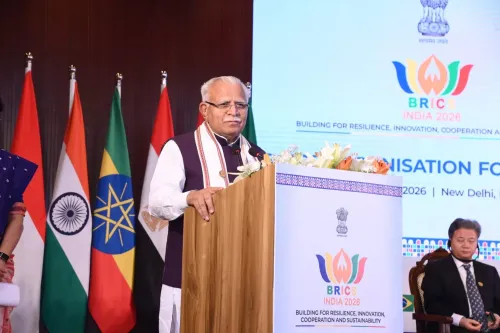
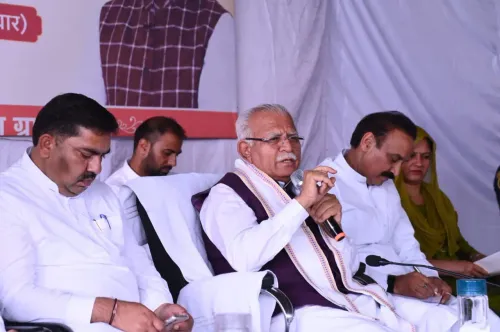
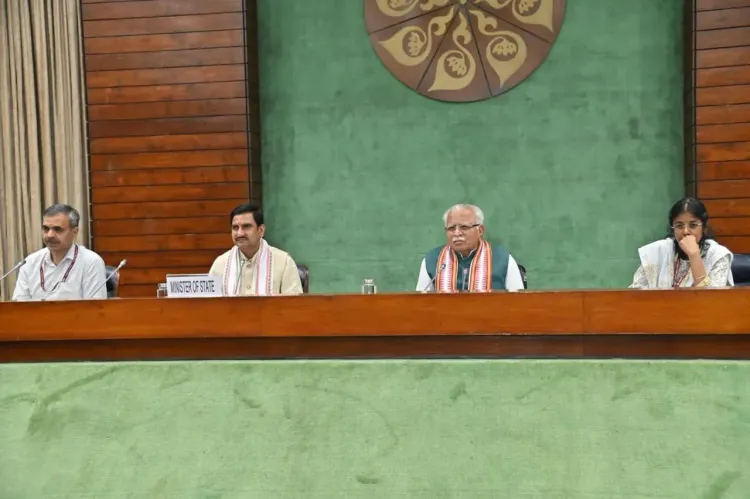
Union Minister Manohar Lal Khattar chaired the Housing Ministry's Advisory Committee on 30 July 2026 and announced a structural split into two departments — Capital Development and Urban Development — to sharpen urban governance and align city growth with the Viksit Bharat 2047 vision.
Key Takeaways
The Ministry of Housing and Urban Affairs will now operate through two separate departments: the Department of Capital Development (DCD) and the Department of Urban Development (DUD) .
The restructuring was announced by Union Minister Manohar Lal Khattar at the ministry's Advisory Committee meeting on 30 July 2026 .
The stated goals of the split are better inter-departmental coordination and more efficient scheme implementation.
The meeting covered urban planning, good governance, water security , and institutional capacity building.
The ministry linked the overhaul to the government's Viksit Bharat 2047 vision of building a modern, inclusive urban future.
Existing flagship schemes — Smart Cities Mission and AMRUT — fall under the ministry's ambit and will be affected by the restructuring.
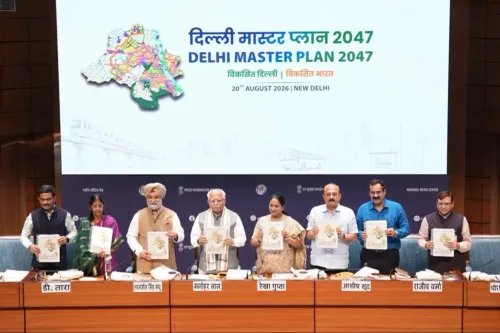
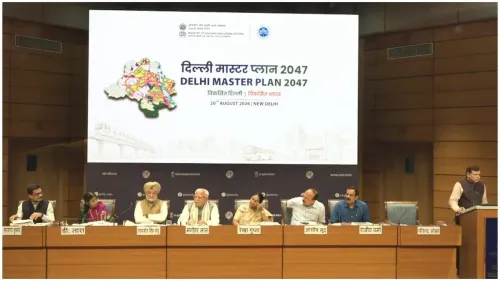
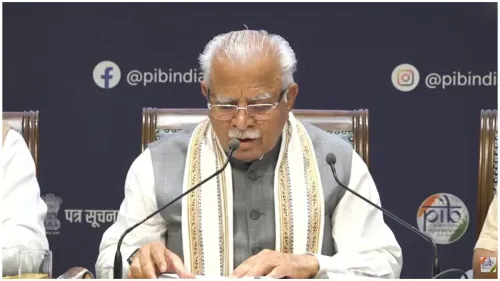
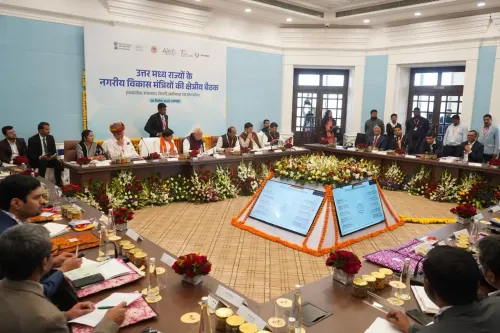
India's urban future just got a new administrative architecture. Union Minister of Housing and Urban Affairs Manohar Lal Khattar on Thursday, 30 July 2026, chaired the Advisory Committee meeting of the Ministry of Housing and Urban Affairs — and used the occasion to announce a significant structural overhaul: the ministry will now operate through two distinct departments.
One Ministry, Two Departments — What Changed
Under the recent administrative restructuring, the Ministry of Housing and Urban Affairs will bifurcate into the Department of Capital Development (DCD) and the Department of Urban Development (DUD). Khattar informed the committee's members that this split is designed to sharpen coordination and accelerate implementation — two persistent pain points in India's urban governance machinery. The logic is straightforward: a single ministry overseeing both capital-region planning and nationwide urban development creates competing priorities. Separating the two functions gives each domain its own institutional focus, its own chain of command, and — critically — its own accountability.What the Advisory Committee Discussed
Beyond the structural announcement, the meeting saw wide-ranging discussions on urban planning, good governance, water security, and institutional capacity building. These are not peripheral themes — water stress in Indian cities, from Chennai to Bengaluru, has repeatedly exposed the limits of urban infrastructure, and capacity gaps in urban local bodies remain a documented challenge across states. Khattar reaffirmed the ministry's commitment to continuous coordination with both advisory committee members and state governments — signalling that the restructuring is meant to strengthen, not bypass, federal cooperation.The Viksit Bharat 2047 Anchor
The minister framed the entire exercise within the government's flagship long-term vision: Viksit Bharat 2047, the ambition to transform India into a fully developed nation by the centenary of independence. His stated goal is that Indian cities not merely meet present-day needs but become 'robust, modern and inclusive' — sudriddh, aadhunik evam samaveshi — by that horizon. This is consequential framing. The Ministry of Housing and Urban Affairs already anchors major schemes — the Smart Cities Mission (launched 2015, covering 100 cities) and the Atal Mission for Rejuvenation and Urban Transformation (AMRUT) — both of which hinge on exactly the kind of coordinated, capacity-driven delivery the new two-department structure promises to enable. The real test arrives in the next budget and parliamentary sessions: whether the DCD-DUD split translates into faster on-ground delivery, or adds another layer of bureaucratic handoff. India's cities are growing too fast to afford the latter.Point of View
Echoing the 2017 renaming exercise that itself signalled a shift in policy emphasis. By separating capital-region oversight from broader urban development, the government is betting that focused institutional mandates will cut through the coordination failures that have historically slowed flagship schemes like AMRUT and Smart Cities Mission. Anchoring the move to Viksit Bharat 2047 is deliberate political framing — it ties a bureaucratic reshuffle to a national aspirational narrative, making accountability harder to sidestep. The real verdict will come from state governments and urban local bodies, who must now navigate a new two-department interface at the Centre.
NationPress
14 Sept 2026
Frequently Asked Questions
What are the two new departments under the Ministry of Housing and Urban Affairs?
The ministry will now function through the Department of Capital Development (DCD) and the Department of Urban Development (DUD) , following a recent administrative restructuring announced in July 2026.
Why did Manohar Lal Khattar split the Housing Ministry into two departments?
Khattar stated the bifurcation aims to improve coordination and accelerate implementation of urban schemes, ensuring each domain — capital development and general urban development — gets dedicated institutional focus.
What is Viksit Bharat 2047 and how does it relate to urban development?
Viksit Bharat 2047 is the Indian government's vision to make India a fully developed nation by the centenary of independence in 2047. The ministry has framed its urban restructuring as a step toward building 'robust, modern and inclusive' cities aligned with this goal.
What schemes does the Ministry of Housing and Urban Affairs oversee?
The ministry anchors major national programmes including the Smart Cities Mission (covering 100 cities, launched 2015) and the Atal Mission for Rejuvenation and Urban Transformation (AMRUT) , both focused on improving urban infrastructure and services.
What was discussed at the Housing Ministry Advisory Committee meeting on 30 July 2026?
The committee discussed urban planning, good governance, water security, and institutional capacity building, alongside the formal announcement of the ministry's split into two departments.