Kishan Reddy Hails TEJAS to AGNI-V as Aatmanirbhar Wins
Synopsis
Union Minister G. Kishan Reddy on 17 June 2026 spotlighted India's indigenous defence platforms — TEJAS, AKASH, PINAKA and AGNI-V — as milestones of Aatmanirbhar Bharat, reflecting the government's push to raise domestic procurement to 70 per cent by 2027.
Key Takeaways
Kishan Reddy , Union Coal and Mines Minister and BJP Telangana president, highlighted four indigenous platforms: TEJAS, AKASH, PINAKA and AGNI-V .
The post frames these achievements as evidence of Aatmanirbhar Bharat success in the defence sector.
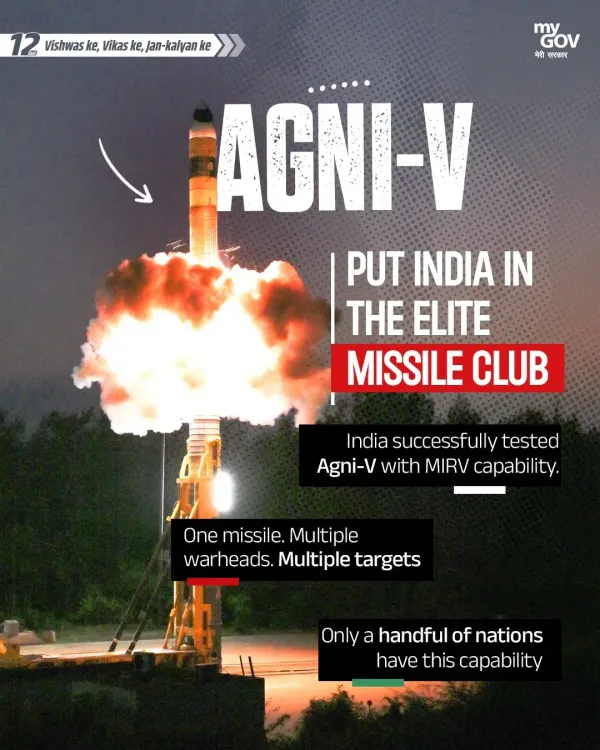
AGNI-V , developed by DRDO, was first successfully tested in 2012 and represents India's long-range indigenous strike capability.
The Defence Procurement Procedure 2020 mandated higher indigenous-content thresholds and introduced negative import lists for weapons systems.
India has set a target of raising domestic defence procurement to 70 per cent by 2027 .
Next milestones to watch include trials of extended-range PINAKA and AKASH-NG .
Union Coal and Mines Minister G. Kishan Reddy on Wednesday, 17 June 2026 highlighted India's growing indigenous defence capabilities, citing platforms ranging from the TEJAS fighter jet and AKASH missile system to the PINAKA rocket artillery and the AGNI-V intercontinental ballistic missile as evidence of the country's self-reliance in military technology.
Context
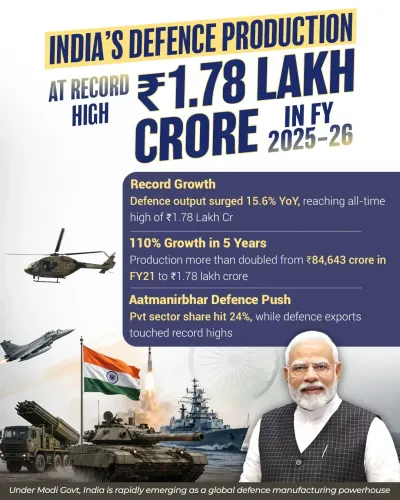
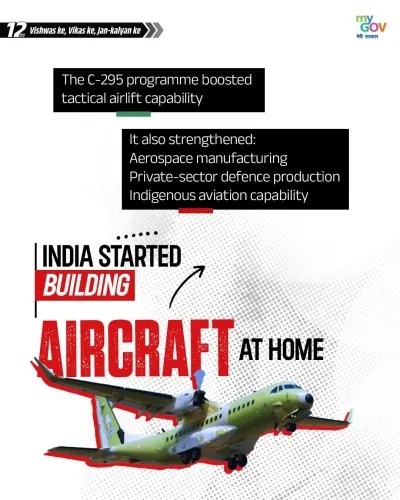
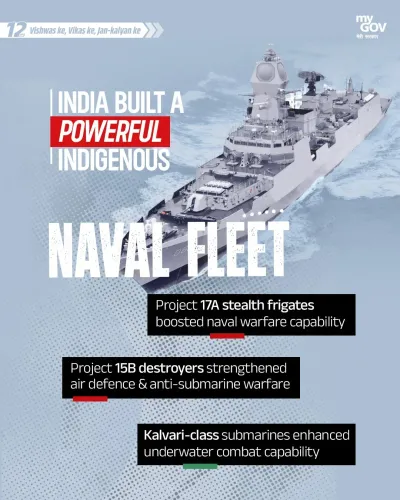
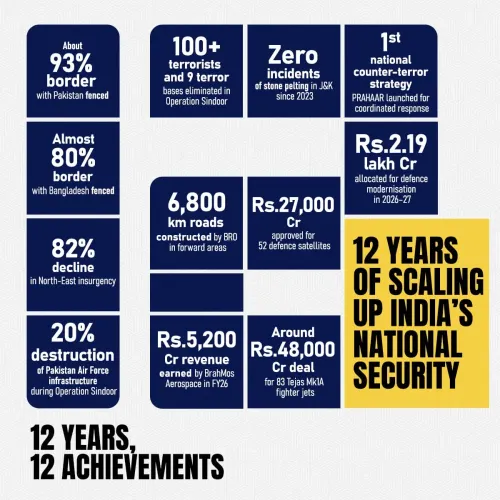
Reddy, who also serves as BJP Telangana state president, posted on X that these systems 'reflect the growing success of Aatmanirbhar Bharat in Defence and India's emergence as a nation capable of designing and producing world-class military platforms.' The post was accompanied by four images showcasing the mentioned defence platforms, underlining the visual scale of India's indigenous weapons portfolio.
The minister's remarks come at a time when the government has been amplifying its messaging around domestic defence production ahead of key policy reviews. While Reddy's portfolio is Coal and Mines, senior BJP leaders routinely speak to the broader national-development agenda, particularly on defence self-reliance — a flagship political theme for the ruling party.
Policy Backdrop
Aatmanirbhar Bharat in defence traces its formal lineage to the Make in India initiative launched in 2014, which identified defence as a priority sector for indigenous design and production. The Defence Procurement Procedure 2020 subsequently introduced higher indigenous-content thresholds and negative import lists, effectively barring the purchase of certain weapons systems from abroad.
The DRDO-developed AGNI-V, first successfully tested in 2012, has come to symbolise India's long-range indigenous strike capability. The AKASH surface-to-air missile system was inducted into the Indian Armed Forces after a development cycle spanning the 1990s and 2000s. The PINAKA multi-barrel rocket launcher and the TEJAS light combat aircraft similarly represent decades of domestic engineering effort now bearing operational fruit. The government has set a target of raising the domestic procurement share to 70 per cent by 2027.
Stakeholders and Impact
The primary beneficiaries of this policy push are the Indian Armed Forces, which gain platforms designed for local operational conditions, and the broader defence-industrial base comprising the Defence Research and Development Organisation (DRDO) and Defence Public Sector Undertakings (DPSUs). Increased private-sector participation, encouraged since 2014, has also drawn Indian industry into supply chains that were once exclusively state-run.
For Telangana, the political dimension is notable: the state hosts significant aerospace and defence manufacturing infrastructure, including facilities tied to TEJAS production. Reddy's post therefore carries both a national-policy and a regional-pride dimension, positioning the BJP's governance record ahead of any electoral cycle in the state.
What's Next
Observers will watch for user trials of the extended-range PINAKA system and the next-generation AKASH-NG missile, both of which are in advanced stages of development. Updates to the Defence Ministry's annual acquisition plan are also anticipated, which could further expand the negative import list and set new indigenous-content benchmarks.
As India continues to position itself as both a capable defence manufacturer and an emerging arms exporter, political messaging around platforms like AGNI-V and TEJAS is likely to intensify — reflecting a convergence of strategic signalling and domestic electoral narrative.
Point of View
Suggesting the party is deploying its full ministerial bench to reinforce this theme. The timing aligns with the government's push toward a 70 per cent domestic procurement target by 2027, making such statements part of a coordinated pre-review communication strategy. Longer term, the emphasis on TEJAS and AGNI-V also serves India's emerging identity as a credible arms exporter, adding a foreign-policy dimension to what appears to be domestic political messaging.
NationPress
18 Sept 2026
Frequently Asked Questions
What is Aatmanirbhar Bharat in defence?
Aatmanirbhar Bharat in defence is a government initiative, formalised under Make in India in 2014, aimed at reducing India's dependence on weapons imports by boosting indigenous design, development and production of military platforms through DRDO, DPSUs and private industry.
What is the AGNI-V missile?
AGNI-V is a DRDO-developed intercontinental ballistic missile first successfully tested in 2012. It represents India's long-range indigenous strike capability and is one of the most advanced missiles in the country's arsenal.
What did G. Kishan Reddy say about India's defence systems?
On 17 June 2026, Union Minister G. Kishan Reddy posted on X that platforms such as TEJAS, AKASH, PINAKA and AGNI-V reflect the growing success of Aatmanirbhar Bharat in defence and India's ability to design and produce world-class military systems.
What is India's domestic defence procurement target?
India has set a target of sourcing 70 per cent of its defence procurement from domestic manufacturers by 2027, a goal underpinned by the Defence Procurement Procedure 2020 and successive negative import lists.
What is the PINAKA system?
PINAKA is an Indian multi-barrel rocket launcher developed by DRDO. An extended-range variant is currently undergoing trials, and the system has drawn interest as a potential export platform.