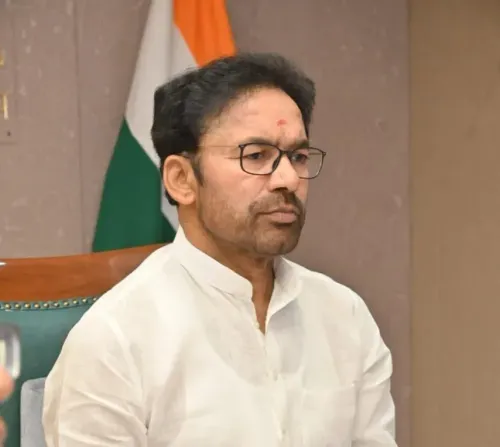
Kishan Reddy Chairs Coal Ministry Review on Production and Energy Security
Synopsis
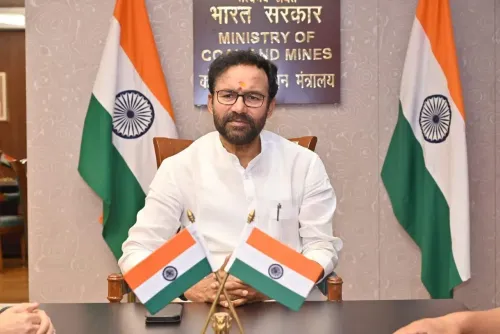
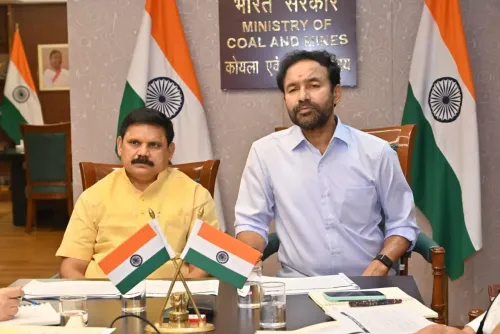
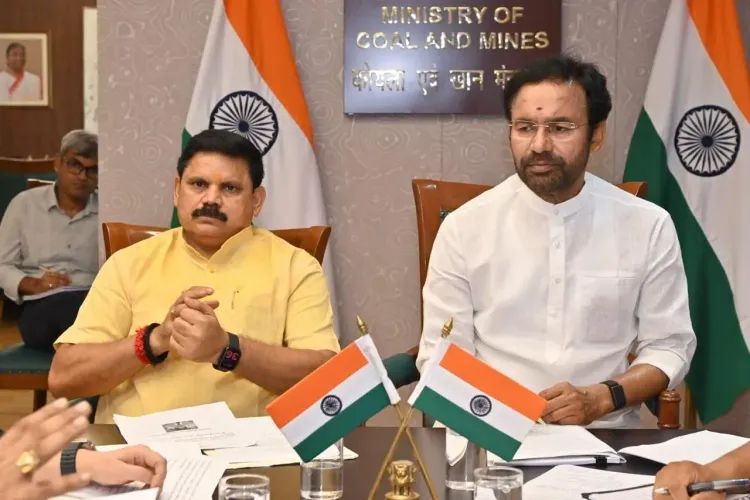
Union Coal and Mines Minister G. Kishan Reddy chaired a review meeting with MoS Satish Dubey and senior officials on July 30, 2026, assessing coal production, dispatch progress, and measures to boost operational efficiency and energy security.
Key Takeaways
Union Coal and Mines Minister G.
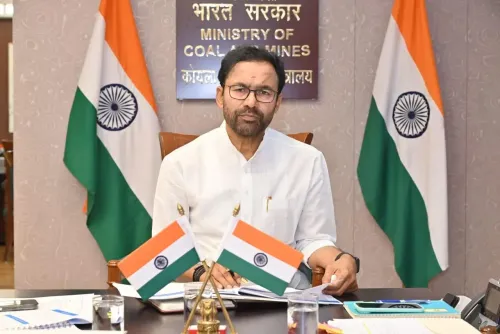
Kishan Reddy chaired a review meeting at the Ministry of Coal in New Delhi on July 30, 2026 .
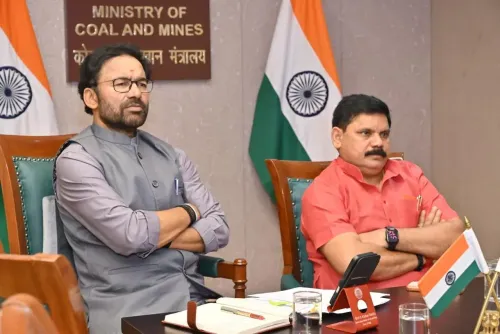
Minister of State Satish Dubey and senior ministry officials participated in the review.
The meeting assessed progress on coal production and dispatch — the primary metrics for power sector supply stability.
Deliberations covered measures to improve operational efficiency and optimise productivity across the coal sector.
Strengthening India's energy security through a robust coal supply chain was a stated objective of the review.
India opened commercial coal mining to private players in 2020 to raise domestic output and reduce import dependence.
Energy security sat at the top of the agenda in New Delhi on Thursday, July 30, 2026, as Union Coal and Mines Minister G. Kishan Reddy chaired a high-level review meeting at the Ministry of Coal, scrutinising coal production, dispatch performance, and the operational initiatives driving India's fuel backbone.
Joining Reddy at the table was Minister of State for Coal and Mines Satish Dubey, along with senior ministry officials. The meeting covered progress on coal production and dispatch — the two metrics that most directly determine whether power plants stay lit — and deliberated on steps to sharpen operational efficiency and optimise productivity across the sector.
What the review put on the table
The ministry's agenda centred on three levers: output volumes, the speed and reliability of coal dispatch to consumers, and a broader push to 'strengthen the country's energy security through a robust coal supply,' as Reddy stated in his post. Thermal power utilities, which depend on steady coal supply to keep the grid stable, are the most immediate stakeholders in any movement on these metrics. The presence of both the Cabinet Minister and the Minister of State signals that the review was a formal institutional exercise, not a routine departmental check-in.Coal's place in India's energy calculus
India's coal sector has been under sustained pressure to scale. Since the 2020 opening of commercial coal mining to private players — a landmark policy shift aimed at curbing costly imports — successive administrations have kept domestic output targets front and centre. Coal remains the dominant fuel for electricity generation, and any supply disruption ripples immediately into power availability across states. The ministry's periodic production-and-dispatch reviews are the institutional mechanism through which that pressure is translated into operational targets for Coal India and other producers. The next monthly or quarterly production data release from the ministry will be the clearest indicator of whether the measures deliberated on July 30 are gaining traction. India's energy story is a dual track: renewable capacity is being added at pace, but coal is not stepping back — it is being asked to run harder while the transition plays out. That is the tension every review meeting of this kind is quietly managing. The numbers, when they come, will speak for themselves.Point of View
Coal remains India's thermal baseload — and ministerial-level production reviews are the pressure valve that keeps that baseload accountable. The dual presence of the Cabinet Minister and MoS suggests this was more than routine housekeeping; it reflects the political weight attached to energy security heading into a period of peak demand. Watch the next production-and-dispatch data release: that is where the rhetoric of 'operational efficiency' either holds or hollows out.
NationPress
30 Jul 2026
Frequently Asked Questions
What was discussed at the Coal Ministry review meeting on July 30 2026?
The meeting reviewed coal production and dispatch progress, ongoing sector initiatives, and measures to improve operational efficiency, optimise productivity, and strengthen India's energy security through a robust coal supply.
Who chaired the Coal Ministry review meeting?
Union Coal and Mines Minister G. Kishan Reddy chaired the meeting, joined by Minister of State Satish Dubey and senior ministry officials.
Why is coal production review important for India's energy security?
Coal is India's primary fuel for electricity generation. Monitoring production and dispatch ensures thermal power plants have adequate supply, directly affecting grid stability and power availability across states.
What is India's policy on commercial coal mining?
In 2020 , the central government opened commercial coal mining to private players to boost domestic output and reduce dependence on coal imports.
When will the next coal production data be released?
The Ministry of Coal periodically releases monthly and quarterly production and dispatch data; the next scheduled release will indicate whether efficiency measures from the July 30 review are translating into output gains.