MP Govt Signs Telecom MoU With Centre to Put State-Made Gear on National Map
Synopsis
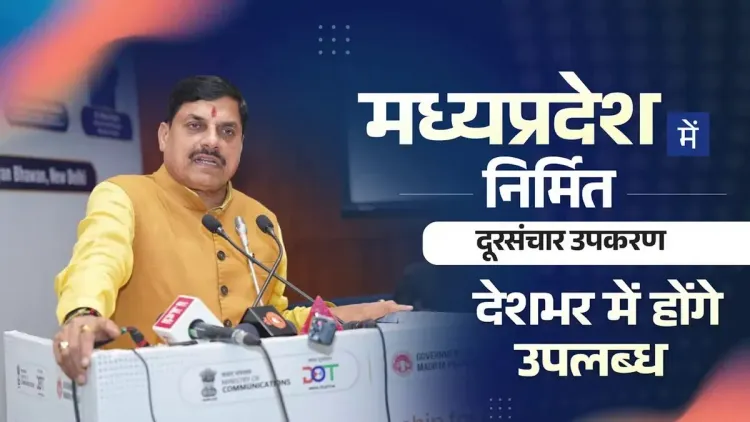
The Madhya Pradesh government has signed an MoU with the Union Department of Telecommunications on July 30, 2026, to channel state-manufactured telecom equipment into national supply chains — a move backed by CM Dr. Mohan Yadav and Union Communications Minister Jyotiraditya Scindia under India's Atmanirbhar Bharat push.
Key Takeaways
The Madhya Pradesh government and the Union Department of Telecommunications signed an MoU on July 30, 2026 .
The agreement aims to make telecom equipment manufactured in Madhya Pradesh available across India.
Mohan Yadav and Union Minister Jyotiraditya Scindia are the key political figures behind the deal.
The MoU aligns with the Production Linked Incentive (PLI) scheme for telecom launched by the Centre in 2021 .
It fits within the broader Atmanirbhar Bharat framework of central-state manufacturing partnerships.
Specific production targets and distribution mechanisms remain to be disclosed publicly.
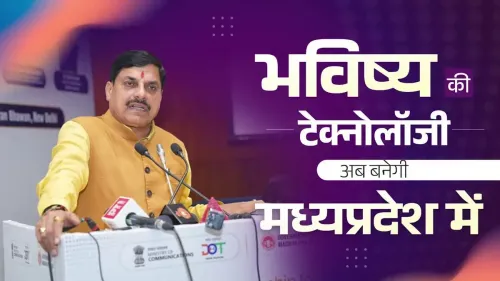
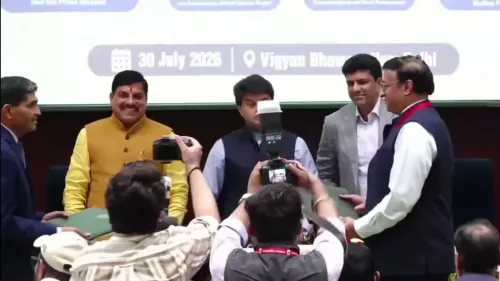
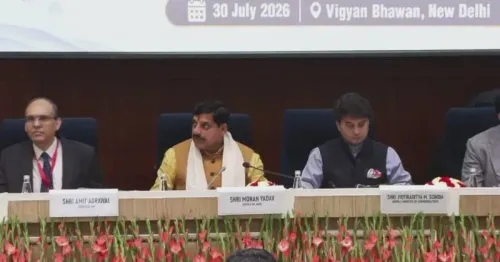
A handshake between Bhopal and New Delhi could soon put Madhya Pradesh-manufactured telecom equipment on supply shelves across every corner of India. The Chief Minister's Office of Madhya Pradesh announced on Thursday, July 30, 2026, that the state government has signed a Memorandum of Understanding (MoU) with the Union Government's Department of Telecommunications (DoT) — a deal designed to plug the state's manufacturing output directly into the country's national telecom supply chain.
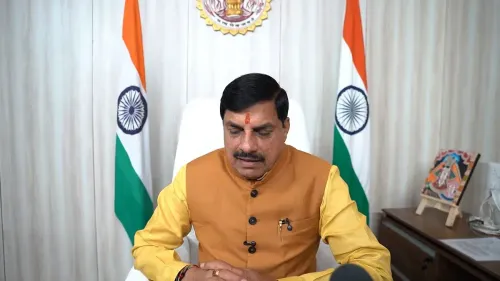
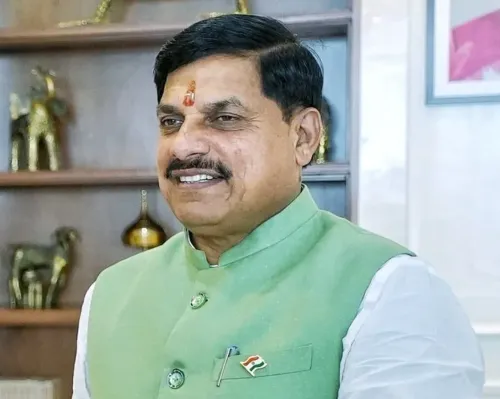
The post, shared by the official CMO handle, states: 'An important MoU has been signed between the Madhya Pradesh government and the Department of Telecommunications of the Government of India. This initiative will make telecom equipment manufactured in Madhya Pradesh available across the country.' Chief Minister Dr. Mohan Yadav and Union Minister of Communications Jyotiraditya Scindia are both tagged in the announcement, signalling high-level political ownership of the agreement on both sides.
What the Bhopal–Delhi Agreement Actually Does
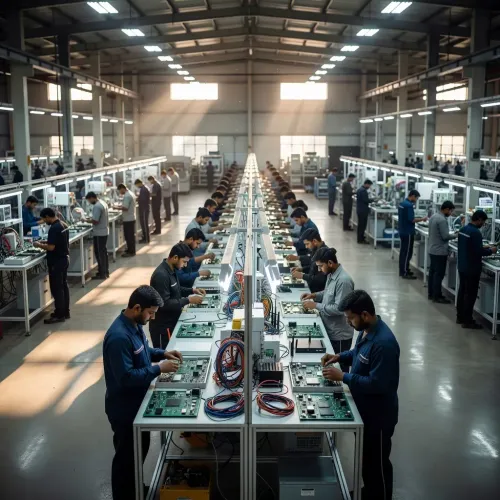
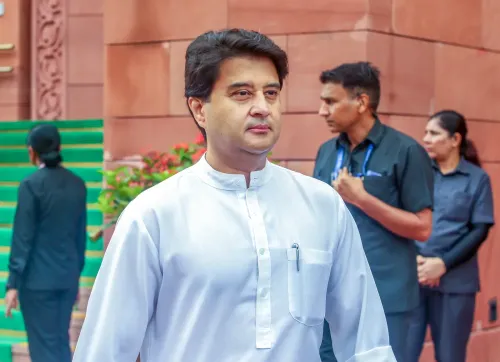
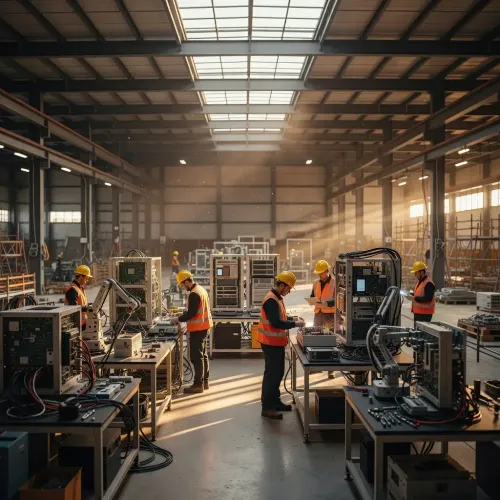
At its core, the MoU creates a formal corridor between Madhya Pradesh's industrial base and the national telecom procurement ecosystem. Rather than state-made equipment circulating only within local markets, the agreement is intended to route that production into a broader, pan-India distribution network — a structural shift for manufacturers operating out of the state. The DoT, which drives India's telecom policy and infrastructure rollout, brings both regulatory weight and national reach to the partnership. With Jyotiraditya Scindia — a Gwalior native and one of the most prominent political figures from Madhya Pradesh now serving at the Centre — leading the ministry, the agreement carries an added layer of political alignment between state and central leadership.Atmanirbhar Bharat's State-Level Footprint
This MoU slots neatly into a pattern that has been building since 2021, when the Government of India launched the Production Linked Incentive (PLI) scheme for telecom and networking products — a direct push to grow domestic manufacturing and shrink India's dependence on imported telecom hardware. Multiple states have since signed similar central-state agreements to weave local production into national supply chains under the Atmanirbhar Bharat framework. Madhya Pradesh's entry into this space signals the state's intent to position itself not just as a consumer of national telecom infrastructure, but as a contributor to it. Telecom equipment manufacturers and industrial units within the state stand to gain direct access to a far larger demand pool than any single-state market could offer. The specific manufacturing units involved, production targets, and the exact distribution mechanism across states are yet to be detailed publicly — those operational specifics will determine how quickly the MoU translates from paper to production floor. For a state that has been working to diversify its industrial identity beyond agriculture, a formal seat in India's telecom manufacturing supply chain is not a small step. It is a bet that Madhya Pradesh can build things the rest of the country will use.Point of View
Which has historically lagged behind Maharashtra and Gujarat in industrial output, a DoT-backed pathway into national telecom procurement is a meaningful step toward repositioning its manufacturing identity. The political optics are equally deliberate: with Jyotiraditya Scindia — a son of the Gwalior soil — holding the Communications portfolio, the Centre-state alignment here is as personal as it is institutional. The real test will be in the operational details: which units get listed, what volumes get committed, and whether the distribution mechanism has teeth.
NationPress
30 Jul 2026
Frequently Asked Questions
What is the Madhya Pradesh telecom MoU about?
The MoU signed on July 30, 2026, between the Madhya Pradesh government and the Union Department of Telecommunications is designed to make telecom equipment manufactured in Madhya Pradesh available for use across India, integrating state production into the national supply chain.
Who signed the telecom MoU between MP and the Centre?
The agreement was signed by the Madhya Pradesh state government, led by Chief Minister Dr. Mohan Yadav, and the Department of Telecommunications represented under Union Communications Minister Jyotiraditya Scindia.
How does this MoU relate to Atmanirbhar Bharat?
The MoU is part of India's broader Atmanirbhar Bharat initiative, which encourages domestic manufacturing and reduces import dependence. It builds on the PLI scheme for telecom products launched by the Centre in 2021, under which multiple states are forming supply-chain partnerships with the central government.
What is the PLI scheme for telecom in India?
The Production Linked Incentive (PLI) scheme for telecom and networking products was launched by the Government of India in 2021 to incentivise domestic manufacturing of telecom equipment and reduce reliance on imports.
What happens next after the MP telecom MoU is signed?
The next steps involve disclosing the operational details of the MoU — including which manufacturing units are covered, production targets, and the distribution mechanism that will channel Madhya Pradesh-made equipment to markets across the country.