Kishan Reddy Chairs Mines Ministry Review Meeting
Synopsis
Union Mines Minister G. Kishan Reddy on 8 July 2026 chaired a review meeting with Ministry of Mines officials, focusing on governance, coordination, and the implementation of ongoing sector initiatives — part of continued oversight of post-2015 mineral reform.
Key Takeaways
Kishan Reddy , Union Minister of Coal and Mines, chaired a review meeting with Ministry of Mines officials on 8 July 2026 .
The meeting focused on governance, inter-departmental coordination, and effective implementation of ongoing sector initiatives.
The Mines and Minerals (Development and Regulation) Act was amended in 2015 to introduce auction-based mineral concession allocation, requiring sustained administrative follow-through.
The National Mineral Policy 2019 underpins current efforts to promote sustainable mining and improve centre-state coordination.
Key stakeholders include mining companies, state governments, and local communities benefiting from the District Mineral Foundation .
Progress on pending mineral block auctions and any revisions to concession or District Mineral Foundation rules will be closely watched.
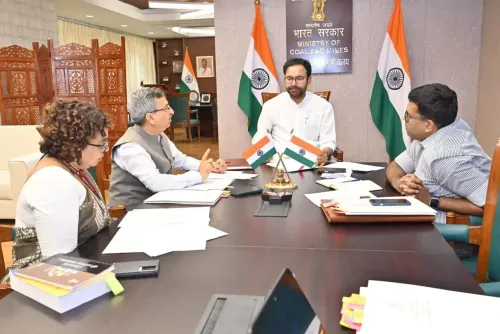
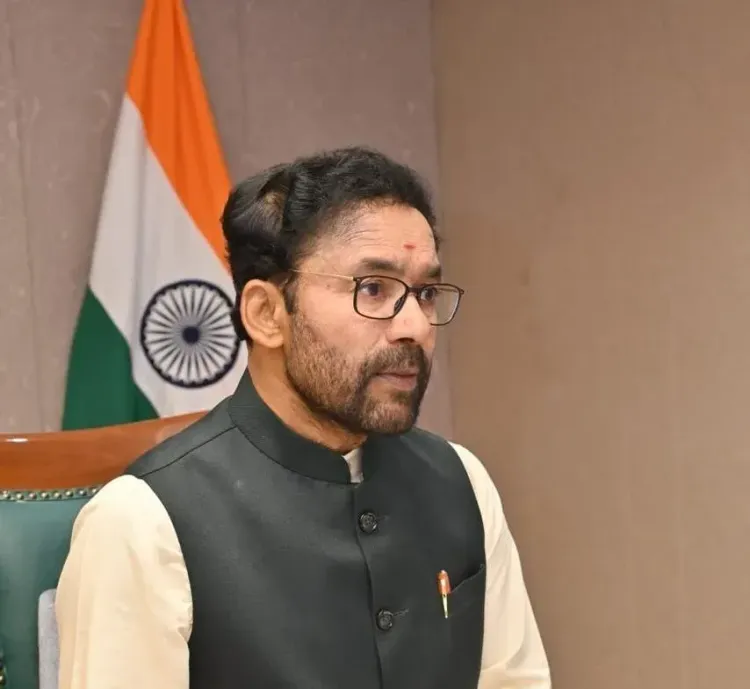
Union Coal and Mines Minister G. Kishan Reddy on Wednesday, 8 July 2026, chaired a review meeting with senior officials of the Ministry of Mines to discuss key matters related to the sector and assess the progress of ongoing initiatives focused on strengthening governance, coordination, and effective implementation.
Context
Posting on X and tagging @MinesMinIndia, the minister confirmed the meeting, describing it as an occasion to review initiatives 'aimed at strengthening governance, coordination and effective implementation' within the mines sector. The Ministry of Mines is the central authority responsible for the exploration, regulation, and development of non-fuel minerals across India, making such periodic reviews a critical mechanism for tracking policy execution.
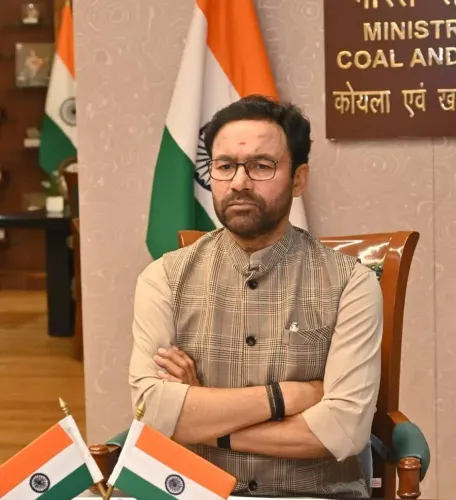
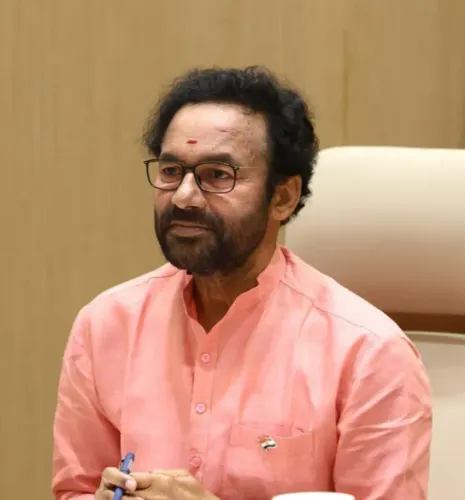
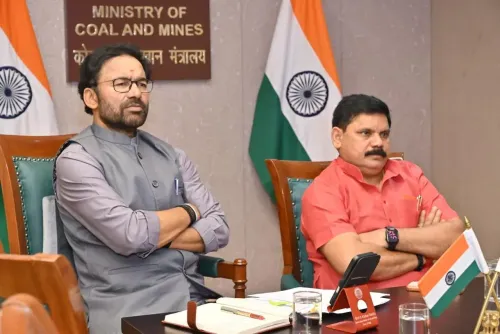
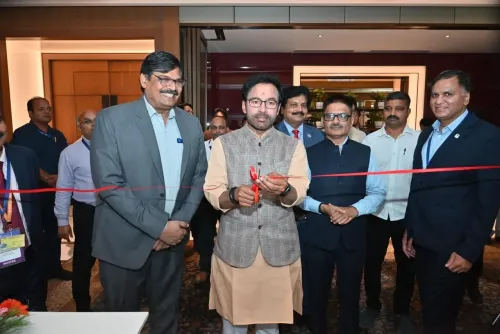
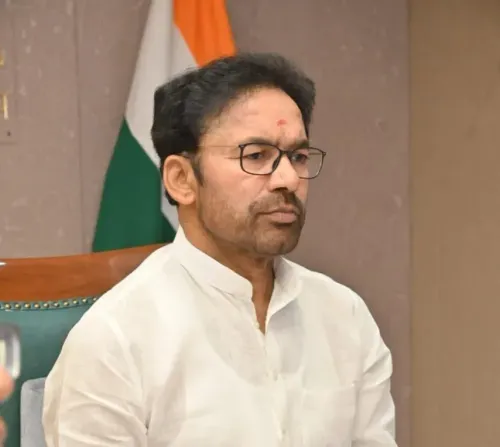
The meeting was accompanied by four images shared on the minister's official handle, providing a visual record of the discussions, though the specific agenda items taken up remain officially undisclosed.
Policy Backdrop
The review takes place against the backdrop of significant legislative reform in the sector. The Mines and Minerals (Development and Regulation) Act was amended in 2015 to replace the earlier discretionary system of mineral concession allocation with a transparent, auction-based mechanism — a structural shift that demanded sustained administrative follow-through at the central level.
The National Mineral Policy of 2019 further reinforced this direction, prioritising sustainable mining practices, greater private-sector participation, and improved coordination between the Union government and state administrations. Review meetings of this nature are a standard instrument through which the ministry monitors how these reforms are being operationalised on the ground, identifies bottlenecks, and aligns inter-departmental priorities.
Stakeholders and Impact
The outcomes of ministry-level reviews directly affect a wide range of stakeholders. Mining companies — both public-sector undertakings and private operators — depend on the pace of mineral block auctions and the efficiency of approval processes. State governments, which share jurisdiction over mineral resources under India's federal structure, are key partners in implementation, and coordination gaps between the centre and states have historically slowed revenue realisation.
Local communities in mining-affected districts also have a stake, particularly through the District Mineral Foundation framework, which channels a portion of mining revenues into welfare and infrastructure programmes in impacted areas. Strengthening governance at the ministry level has a downstream effect on how reliably these funds reach intended beneficiaries.
What's Next
Observers will watch for any follow-up announcements on pending mineral block auctions, potential amendments to concession rules, or updated guidelines for the District Mineral Foundation. The ministry's stated focus on coordination also signals continued engagement with state governments to reduce approval delays and align centre-state data systems. As India pushes to raise domestic mineral output — including critical minerals essential for the energy transition — the quality of governance at the ministry level will remain a key variable in determining whether legislative intent translates into measurable outcomes on the ground.
Point of View
Who also heads the BJP's Telangana unit, visible administrative engagement with the mines portfolio carries political salience in a state with significant mineral wealth. The emphasis on 'effective implementation' suggests the ministry is focused less on fresh legislation and more on closing the execution gap between policy design and ground-level outcomes. How quickly pending mineral block auctions are cleared and whether District Mineral Foundation disbursements improve will be the real test of this governance push.
NationPress
9 Jul 2026
Frequently Asked Questions
Why did Kishan Reddy hold a review meeting with Ministry of Mines officials?
Union Mines Minister G. Kishan Reddy chaired the meeting on 8 July 2026 to discuss key sector matters and review ongoing initiatives aimed at strengthening governance, coordination, and effective implementation within the mines sector.
What is the Ministry of Mines responsible for in India?
The Ministry of Mines is the central government body overseeing the exploration, regulation, and development of non-fuel minerals in India, working in coordination with state governments that share jurisdiction over mineral resources.
What are the key mining reforms that such review meetings are meant to track?
The primary reform is the 2015 amendment to the Mines and Minerals (Development and Regulation) Act, which replaced discretionary allocation with auction-based mineral concession grants. The National Mineral Policy of 2019 further set goals for sustainable mining and private investment.
What is the District Mineral Foundation and who benefits from it?
The District Mineral Foundation is a statutory fund into which mining companies contribute a share of royalties; the proceeds are used for welfare and infrastructure programmes in communities and districts affected by mining operations.
What should we watch for after this mines sector review meeting?
Key developments to monitor include announcements on pending mineral block auctions, any amendments to concession rules, and updated guidelines for the District Mineral Foundation framework — all of which would indicate the practical outcomes of the governance review.