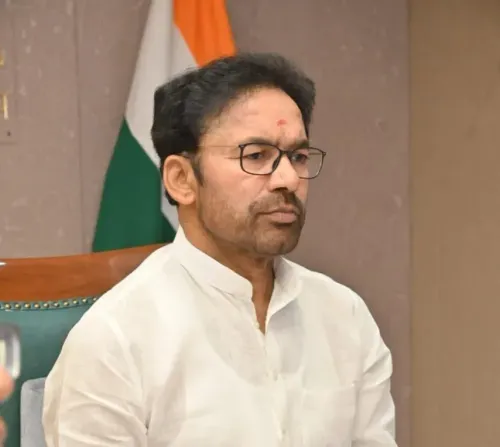
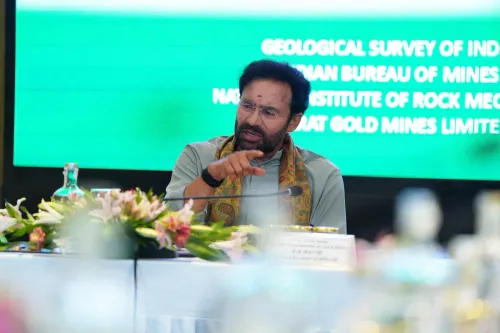
Kishan Reddy highlights rail infra as India growth driver
Synopsis
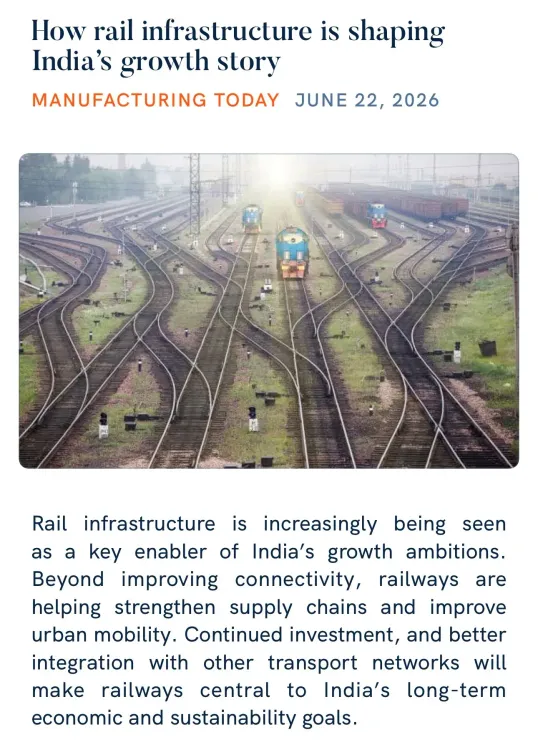
Union Coal and Mines Minister G. Kishan Reddy amplified a piece on railway infrastructure as a driver of India's economic growth, sharing it via the NaMo App. The post connects to India's National Rail Plan, Dedicated Freight Corridors, and the government's push to cut logistics costs for coal, manufacturing, and freight sectors.
Key Takeaways
Union Coal and Mines Minister G.
Kishan Reddy shared content on rail infrastructure's role in India's growth story on 22 June 2026 via the NaMo App .
The National Rail Plan (2021) targets a 45 percent rail freight share by 2030 , up from current levels.
The Dedicated Freight Corridors , first approved in 2006 , are designed to separate goods and passenger traffic and raise average freight speeds.
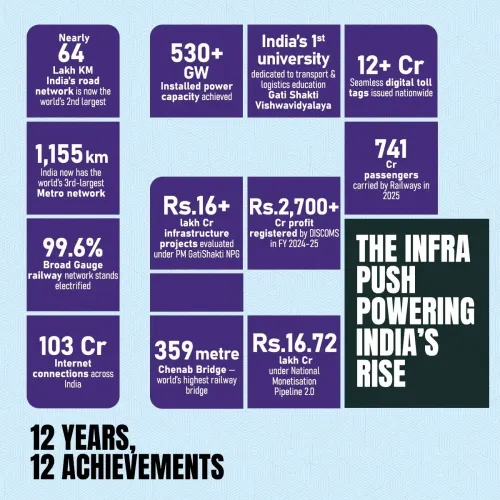
100 percent electrification of broad-gauge routes has been a stated policy goal since 2014 , reducing fuel costs and emissions.
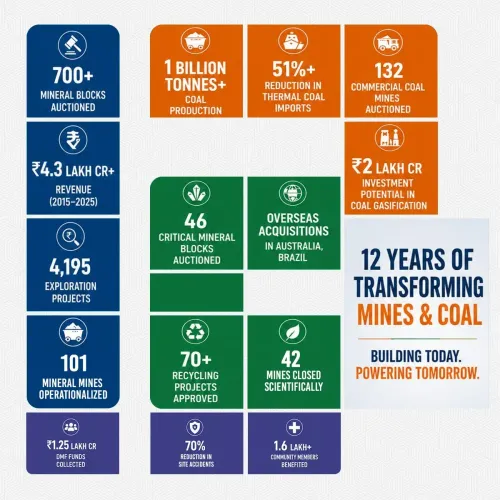
Coal, steel, and container traffic are the largest users of India's freight rail network, directly linking the coal ministry's portfolio to railway expansion.
The National Infrastructure Pipeline (2019) earmarked capital for track doubling, station upgrades, and electrification across the network.
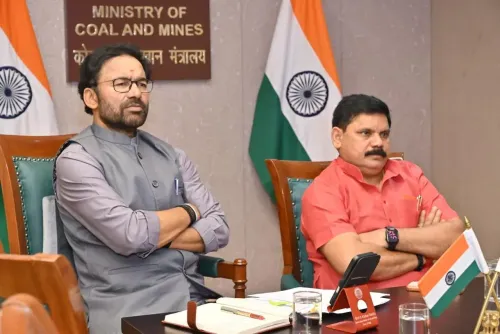
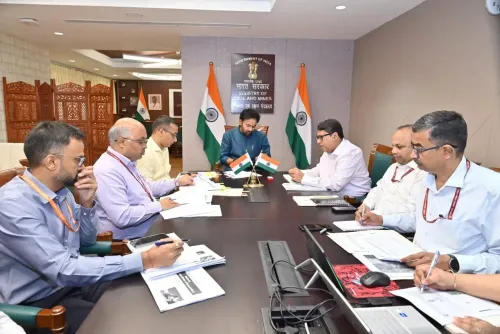
Union Coal and Mines Minister G. Kishan Reddy on Monday, 22 June 2026 shared a piece on how railway infrastructure is shaping India's broader economic growth story, circulating the content through the NaMo App — the official mobile platform used to disseminate government policy and infrastructure updates.
Context
Reddy's post draws attention to the central role that rail infrastructure plays in India's development narrative. As a senior Union Cabinet minister overseeing coal and mines — two sectors that depend heavily on freight rail for movement of raw materials — his amplification of the railway growth story carries sectoral significance beyond routine political messaging.
The NaMo App has been used consistently by BJP leaders and Union ministers to circulate government-aligned policy content to party workers, supporters, and the broader public, giving such shares an official character even when they link to external commentary.
Policy Backdrop
Indian Railways, the state-owned network, has been at the centre of successive infrastructure pushes since 2014. The National Rail Plan, released in 2021, set a target of raising the rail freight share to 45 percent by 2030, aiming to shift bulk cargo away from congested road networks and reduce national logistics costs.
The Dedicated Freight Corridors (DFC) — first approved in 2006 — have been the flagship instrument of this push, with the Eastern and Western corridors advancing through the 2010s to separate goods trains from passenger services and improve average freight speeds. Simultaneously, the National Infrastructure Pipeline, launched in 2019, earmarked significant capital for track doubling, station redevelopment, and broad-gauge electrification, with 100 percent electrification of broad-gauge routes a stated policy goal from 2014 onward.
Coal, steel, and container traffic are among the largest users of the freight rail network, making railway capacity expansion directly consequential for the energy and manufacturing sectors that Minister Reddy's own portfolio touches.
Stakeholders and Impact
The primary beneficiaries of expanded rail freight capacity include coal transporters, freight operators, and manufacturing industries that rely on affordable, high-volume logistics. For the coal sector specifically, rail remains the dominant mode of moving fuel from mines in states like Jharkhand, Chhattisgarh, and Odisha to power plants and industrial consumers across the country.
Improved rail connectivity also feeds into the government's broader 'Make in India' and industrial competitiveness agenda, as logistics costs — historically high in India relative to peer economies — are a key variable in manufacturing location decisions. Reducing freight costs through dedicated corridors and electrification is therefore as much an industrial policy lever as a transport one.
What's Next
Parliamentary discussion of the next railway budget and physical progress reports on the remaining Dedicated Freight Corridor sections will be key indicators of how the government's rail ambitions translate into on-ground outcomes. For Minister Reddy's coal and mines portfolio, the pace of freight corridor completion will directly influence the sector's ability to move higher volumes at lower cost, a priority as India's energy demand continues to grow.
The minister's decision to amplify the rail infrastructure narrative at this juncture signals continued political investment in showcasing infrastructure-led growth as a defining achievement of the current administration ahead of future electoral cycles.
Point of View
Not merely information sharing. For G. Kishan Reddy, whose coal and mines portfolio is directly dependent on freight rail capacity, the messaging also serves a sectoral purpose — positioning railway modernisation as an enabler of energy security and industrial growth. The timing connects to a broader pattern in which the BJP-led government has consistently used infrastructure milestones to anchor its economic governance credentials. As parliamentary scrutiny of railway budgets intensifies and Dedicated Freight Corridor completion timelines come under review, such ministerial endorsements help shape the public narrative around delivery.
NationPress
22 Jun 2026
Frequently Asked Questions
How is rail infrastructure shaping India's growth story?
Rail infrastructure is central to India's growth by reducing logistics costs, enabling faster freight movement through Dedicated Freight Corridors, and supporting coal, steel, and manufacturing supply chains. The National Rail Plan targets a 45 percent freight share by 2030.
What is the NaMo App and why do ministers use it?
The NaMo App is an official mobile platform associated with the BJP government used to circulate policy updates, infrastructure news, and government achievements to party workers and the public. Ministers use it to amplify government-aligned content.
What are India's Dedicated Freight Corridors?
The Dedicated Freight Corridors are a network of dedicated rail lines for goods trains, first approved in 2006, with Eastern and Western routes developed through the 2010s to separate freight from passenger traffic and improve freight speeds.
What is India's National Rail Plan?
The National Rail Plan, released in 2021, is a long-term blueprint targeting a 45 percent share of national freight for Indian Railways by 2030, alongside track capacity expansion and electrification of the broad-gauge network.
Why does the coal sector depend on railways?
Coal is one of the heaviest freight commodities in India, moved in bulk from mining states like Jharkhand, Chhattisgarh, and Odisha to power plants and industries nationwide. Rail is the most cost-effective and high-volume mode for this movement.