Kishan Reddy in Australia: Mining Tech and Critical Minerals in Focus
Synopsis
Union Coal and Mines Minister G. Kishan Reddy visited Australia on 27 October 2026, expressing admiration for innovative mining technologies and critical-minerals solutions, with five Indian government bodies tagged — signalling a high-level bilateral push to secure lithium, cobalt, and rare earths for India's clean-energy goals.
Key Takeaways
Kishan Reddy , Union Minister of Coal and Mines, is on a bilateral visit to Australia as of 27 October 2026 .
The minister described being 'impressed by the innovative technologies and solutions shaping the future of mining and critical minerals.' Five Indian government bodies — MEA, Consulate General Sydney, Ministry of Mines, Coal Ministry, and High Commission Canberra — were tagged, indicating a coordinated diplomatic engagement.
The visit builds on the India-Australia ECTA (2022) , which includes provisions for minerals and resources trade.
India is pursuing diversified supply chains for lithium, cobalt, and rare earths to power its clean-energy and manufacturing targets.
Possible outcomes include technology MoUs, joint R&D projects, or Australian company participation in Indian mining auctions.
From the coalfields of Telangana to the resource corridors of the Southern Hemisphere — Union Coal and Mines Minister G. Kishan Reddy is in Australia on Tuesday, 27 October 2026, touring what may be one of India's most strategically consequential bilateral partnerships in the clean-energy era.
What caught the Minister's eye
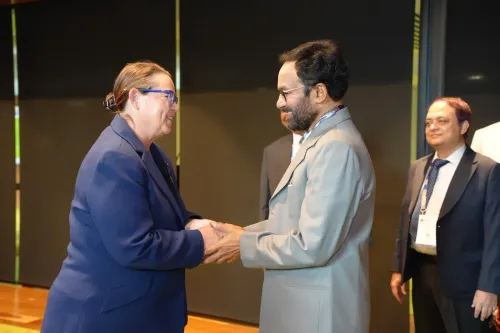
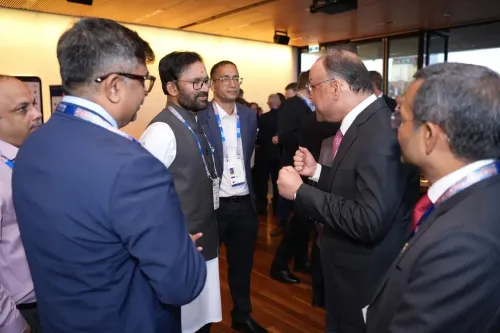
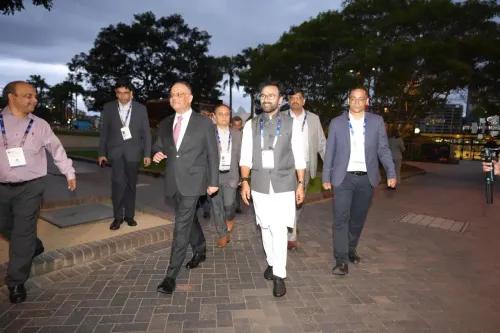
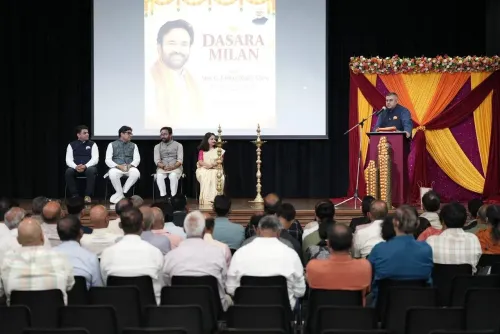
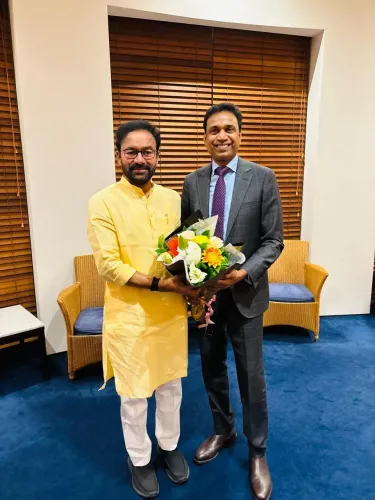
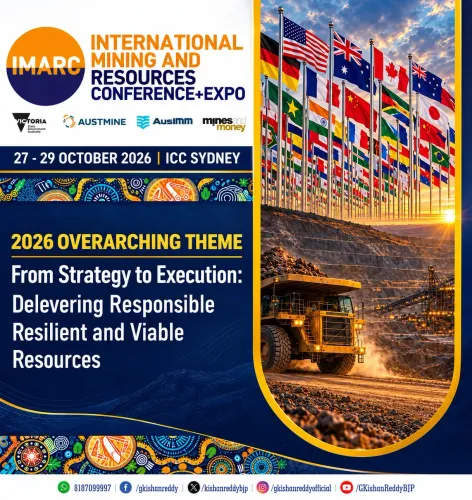
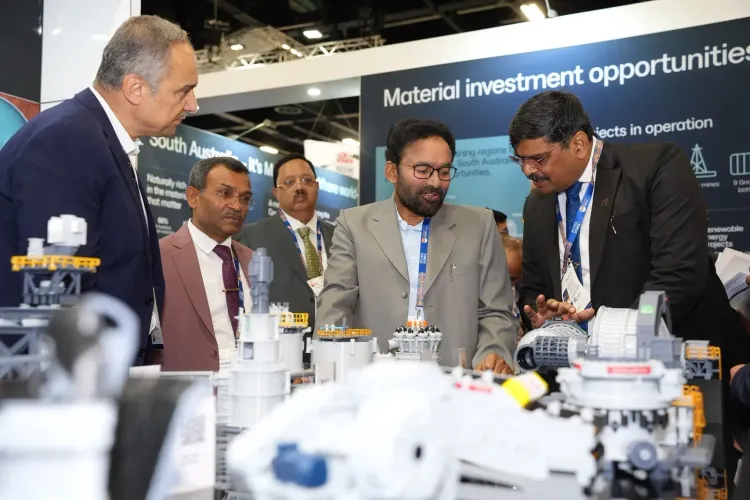
Reddy posted four images from the visit, writing that he was 'impressed by the innovative technologies and solutions shaping the future of mining and critical minerals.' The post tagged the Ministry of External Affairs, the Consulate General of India in Sydney, the Ministry of Mines, the Coal Ministry, and the High Commission of India in Canberra — a diplomatic roll-call that signals this is far more than a courtesy tour. Where five government bodies are looped into a single post, serious bilateral business is underway.
Why Australia, why now
India's hunger for lithium, cobalt, and rare earth elements — the bedrock of electric-vehicle batteries, solar panels, and defence electronics — has made diversified supply chains a national-security priority. Australia, home to some of the world's largest deposits of these materials, sits at the top of that diversification list. The two countries formalised a framework for this relationship through the India-Australia Economic Cooperation and Trade Agreement (ECTA), signed in 2022, which includes specific provisions to boost trade and investment in the minerals and resources sector.
Reddy's visit extends that diplomatic architecture into the operational layer — where technologies are evaluated, joint research projects are scoped, and Australian companies weigh entry into Indian mining auctions and processing facilities.
India's critical minerals push — the bigger picture
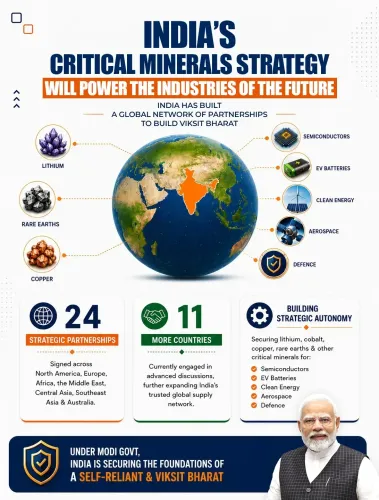
New Delhi has spent the last several years building a web of critical-mineral partnerships — with Australia, Argentina, Chile, the Democratic Republic of Congo, and others — to ensure that its clean-energy and advanced manufacturing ambitions are not held hostage to a single supply chain. The Ministry of Mines has been the institutional engine of this strategy, identifying a list of critical minerals essential for sectors from renewables to semiconductors and actively courting foreign technology and capital into Indian processing facilities.
A minister-level visit to Australia, with the High Commission in Canberra and the Sydney Consulate both in the frame, suggests follow-up action is likely — whether in the form of technology MoUs, joint R&D initiatives, or fresh rounds of bilateral investment dialogue in the months ahead.
India's clean-energy clock is ticking, and every partnership forged in an Australian mining corridor brings the country one step closer to controlling its own critical-mineral destiny.
Point of View
New Delhi signals that critical-mineral diplomacy has moved from bureaucratic working groups to political ownership. The coordination of five government bodies in a single public post also points to an unusually unified institutional effort — MEA, Commerce, Mines, and Coal all aligned on the same bilateral visit. Watch for this engagement to translate into concrete instruments: joint-venture frameworks, fast-track investment clearances, or technology-transfer agreements that give Indian industry a foothold in Australian processing before the next wave of clean-energy demand hits.
NationPress
27 Oct 2026
Frequently Asked Questions
Why is G. Kishan Reddy visiting Australia?
Union Coal and Mines Minister G. Kishan Reddy is in Australia to explore innovative mining technologies and critical-minerals solutions as part of India's bilateral engagement with a key resource partner, building on the 2022 India-Australia ECTA.
What are critical minerals and why does India need them?
Critical minerals such as lithium, cobalt, and rare earth elements are essential inputs for electric-vehicle batteries, solar panels, and defence electronics. India is actively diversifying its supply chains for these materials to support its clean-energy and advanced manufacturing goals.
What is the India-Australia ECTA and how does it relate to mining?
The India-Australia Economic Cooperation and Trade Agreement, signed in 2022, includes specific provisions to facilitate trade and investment in minerals and natural resources, providing a formal framework for bilateral cooperation in the mining sector.
What could come out of Kishan Reddy's Australia visit?
Potential outcomes include technology memoranda of understanding, joint research and development projects in mining, or agreements to allow Australian companies to participate in Indian mining auctions and mineral-processing facilities.
Which Indian government bodies are involved in the Australia mining outreach?
Five bodies were tagged in the minister's post: the Ministry of External Affairs, the Consulate General of India in Sydney, the Ministry of Mines, the Coal Ministry, and the High Commission of India in Canberra — reflecting a coordinated, whole-of-government approach.