Kishan Reddy Marks Samvidhan Hatya Diwas, Recalls Emergency Curbs
Synopsis
On 25 June 2026, Union Minister G. Kishan Reddy marked Samvidhan Hatya Diwas by highlighting the human cost of the 1975–77 Emergency — demolitions, detentions, and curbs on freedoms — and calling remembrance essential to upholding constitutional rights and the rule of law.
Key Takeaways
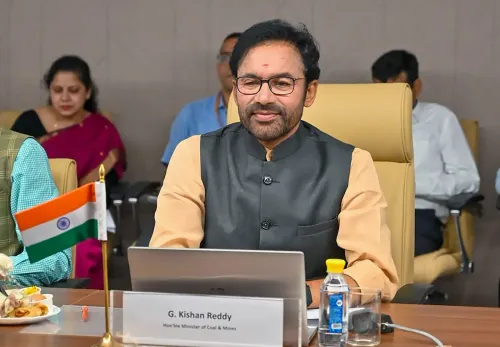
Kishan Reddy , Union Coal and Mines Minister and BJP Telangana president, posted on 25 June 2026 to mark Samvidhan Hatya Diwas .
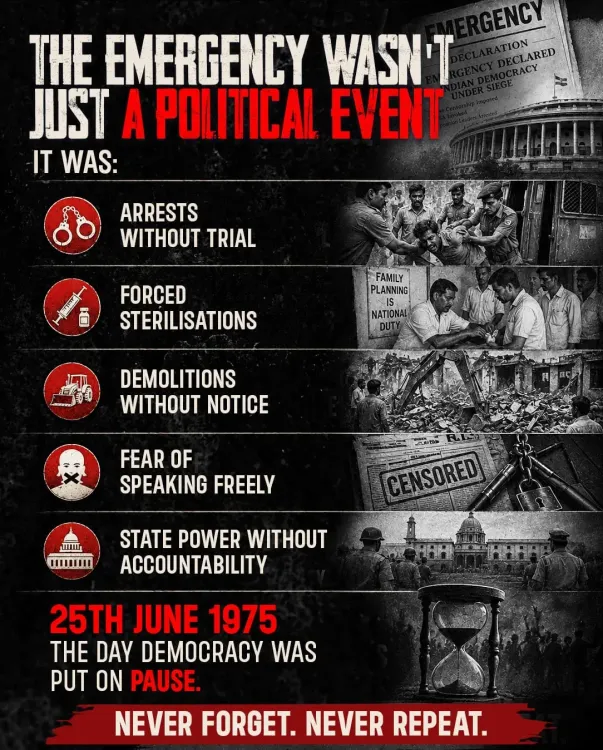
He highlighted that the 1975–77 Emergency affected ordinary citizens through coercive measures, demolitions, detentions, and curbs on individual freedoms.
The national Emergency was declared by Prime Minister Indira Gandhi on 25 June 1975 under Article 352 , lasting 21 months .
Reddy called remembering Emergency-era experiences 'essential to preserving the spirit of democracy.' The post is part of the BJP's established annual practice of commemorating Emergency excesses under the #SamvidhanHatyaDiwas campaign.
The occasion typically prompts state-level events and parliamentary references around the 25 June anniversary.
Union Coal and Mines Minister G. Kishan Reddy on Thursday, 25 June 2026 marked Samvidhan Hatya Diwas by reflecting on the coercive measures, demolitions, detentions, and curbs on individual freedoms that ordinary citizens endured during the 1975–77 Emergency, calling the remembrance of those experiences essential to preserving democracy.
Context
In his post on X, Reddy wrote that 'beyond politics, the Emergency affected the lives of ordinary citizens through coercive measures, demolitions, detentions and curbs on individual freedoms,' adding that 'remembering these experiences is essential to preserving the spirit of democracy and ensuring that constitutional rights, human dignity and the rule of law remain paramount.'
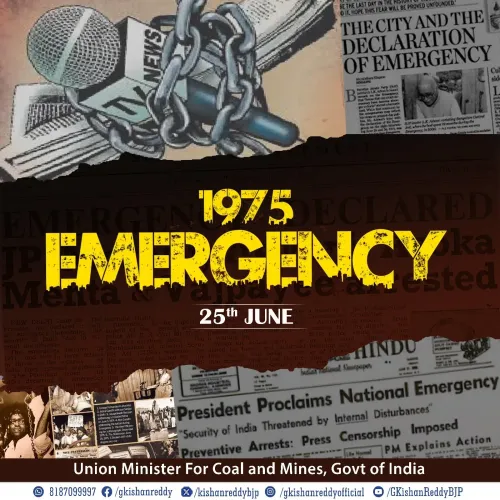
The post was made on the 51st anniversary of the declaration of the national Emergency, which Prime Minister Indira Gandhi imposed on 25 June 1975 under Article 352 of the Constitution, suspending civil liberties for 21 months.
Policy Backdrop
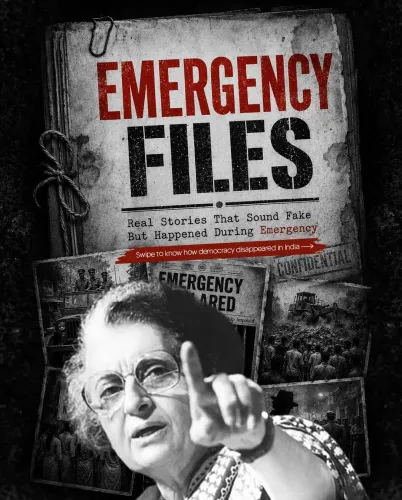
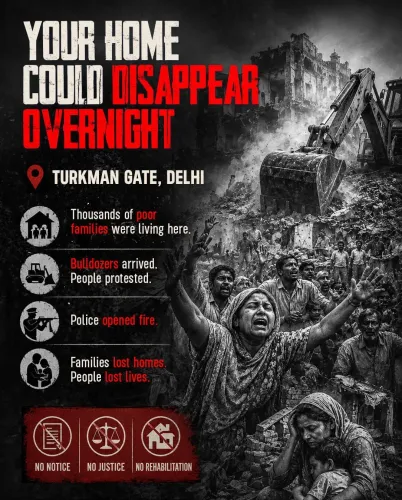
The 1975–77 Emergency remains one of the most contested episodes in post-Independence Indian history. The period was marked by press censorship, arrests of opposition leaders and activists without trial, forced sterilisations, and large-scale demolitions — particularly in urban areas — that displaced thousands of families.
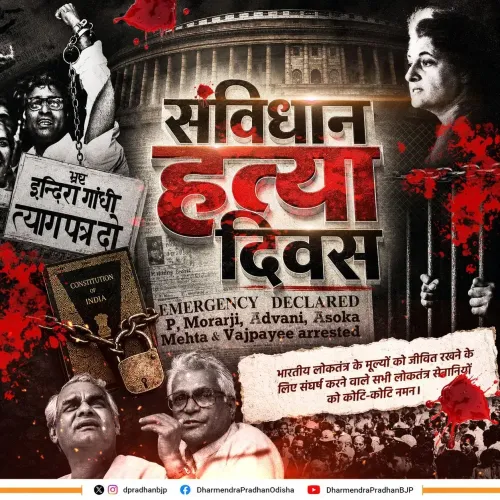
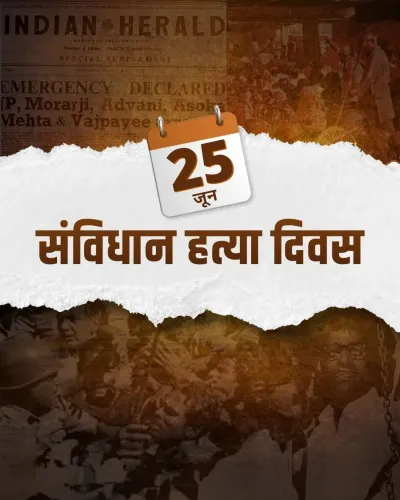
Samvidhan Hatya Diwas, observed on 25 June each year, was instituted to mark what its proponents describe as the 'murder of the Constitution' during those 21 months. The Bharatiya Janata Party has systematically built annual commemorations around this date as part of its broader political messaging on constitutional supremacy and democratic values.
Stakeholders and Impact
Reddy's post deliberately frames the Emergency's legacy not through a partisan lens but through its human cost — the 'ordinary citizens' who faced demolitions of homes, arbitrary detention, and suspension of fundamental rights. Political detainees, displaced families, and press freedom advocates are among the constituencies whose experiences the commemoration seeks to acknowledge.
As BJP's Telangana state president, Reddy's statement also carries weight within the party's southern outreach, where the Emergency's impact on regional political movements remains part of collective memory.
What's Next
The 25 June anniversary typically prompts parliamentary references, state-level commemorative events organised by BJP governments, and social media campaigns under the #SamvidhanHatyaDiwas hashtag. With the anniversary falling in 2026, observers will watch whether the occasion generates fresh legislative or policy-level statements reinforcing constitutional safeguards. The broader debate over institutional memory of the Emergency — and its role in shaping India's democratic discourse — continues to be a live political and civic conversation.
Point of View
Detentions, lost freedoms — rather than leading with political blame. This framing broadens the appeal of Samvidhan Hatya Diwas beyond the BJP's core base, positioning constitutional memory as a civic rather than purely partisan concern. It fits a longer arc in which the ruling party has sought to institutionalise Emergency remembrance as a democratic norm, much as Independence Day and Republic Day anchor national identity. As the 51st anniversary approaches, the intensity of these commemorations signals that the Emergency remains a potent reference point in India's ongoing contest over democratic legitimacy.
NationPress
25 Jun 2026
Frequently Asked Questions
What is Samvidhan Hatya Diwas and why is it observed on 25 June?
Samvidhan Hatya Diwas is observed on 25 June each year to mark the anniversary of the declaration of the 1975 Emergency, which critics describe as an assault on the Constitution. The date commemorates the suspension of civil liberties that began on 25 June 1975 under Prime Minister Indira Gandhi.
What did G. Kishan Reddy say about the Emergency on 25 June 2026?
Kishan Reddy stated that beyond politics, the Emergency affected ordinary citizens through coercive measures, demolitions, detentions, and curbs on individual freedoms, and that remembering these experiences is essential to preserving democracy and constitutional rights.
What happened during the 1975–77 Emergency in India?
The national Emergency, declared under Article 352 on 25 June 1975, lasted 21 months and was marked by suspension of fundamental rights, press censorship, arrests of opposition leaders without trial, forced sterilisations, and large-scale demolitions displacing thousands of families.
Why does the BJP observe Samvidhan Hatya Diwas?
The BJP observes Samvidhan Hatya Diwas to highlight what it describes as the authoritarian excesses of the Congress-era Emergency and to contrast those events with its emphasis on constitutional supremacy, individual rights, and the rule of law.
Who is G. Kishan Reddy?
G. Kishan Reddy is the Union Minister of Coal and Mines in the Indian government and also serves as the BJP's Telangana state president. He is a senior BJP leader and member of Parliament from Secunderabad, Telangana.