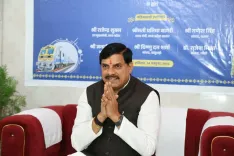
Kishan Reddy Pushes Coal Output, Faster Dispatches at Ministry Review
Synopsis
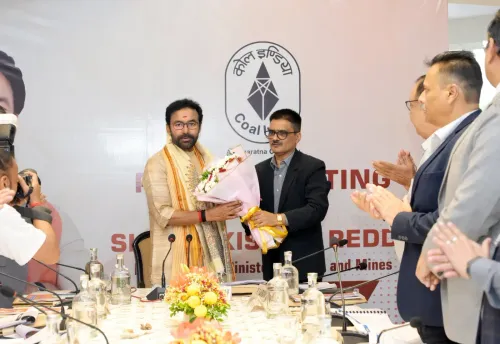
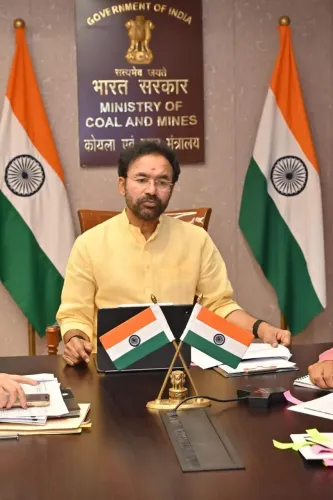
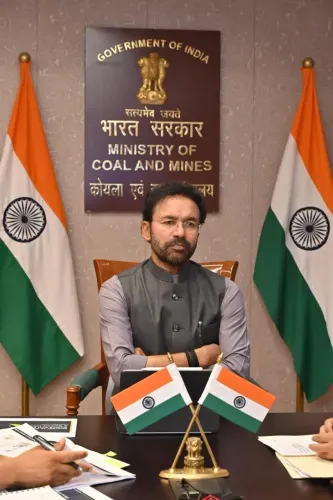
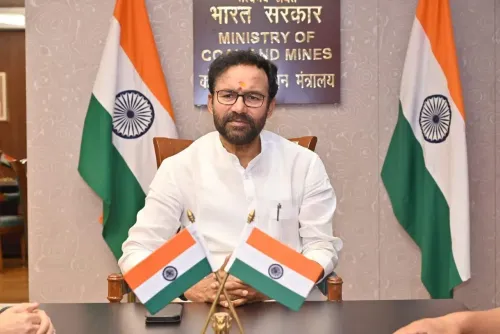
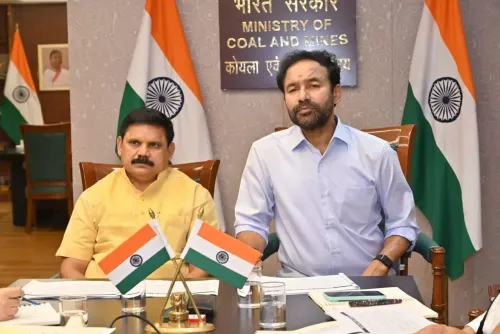
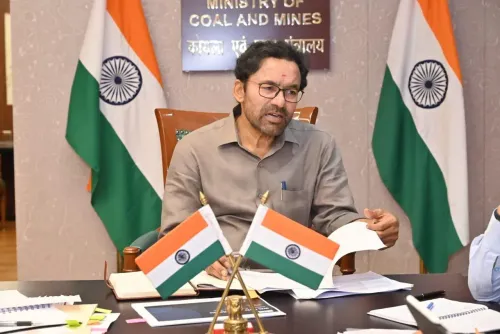
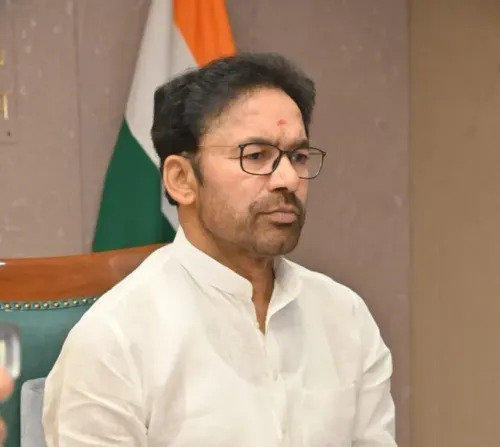
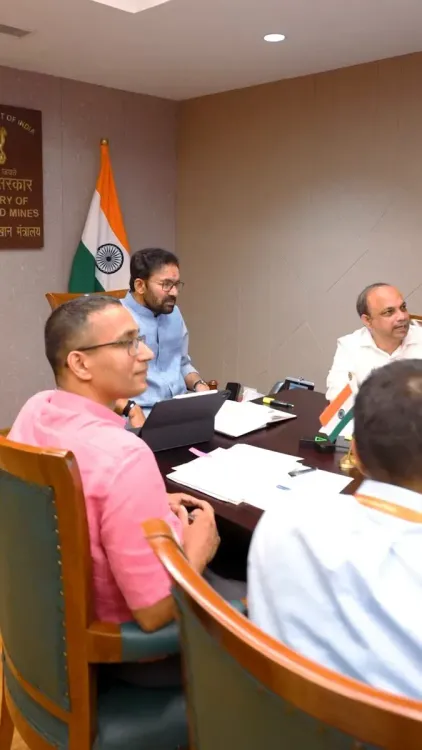
Union Coal and Mines Minister G. Kishan Reddy held a review meeting with Ministry of Coal officials on October 24, 2026, stressing the need for higher coal production and quicker dispatches across all subsidiaries to ensure uninterrupted supply and bolster India's energy security.
Key Takeaways
Kishan Reddy chaired a review with Ministry of Coal officials on October 24, 2026 .
He called for enhanced coal production and faster dispatches across all coal subsidiaries .
The explicit goal: uninterrupted supply and stronger India's energy security .
Coal India Limited and its subsidiaries are the primary delivery mechanism for these directives.
India opened commercial coal mining to private auction in 2020 to boost domestic output and cut import dependence.
Next quarterly coal production and dispatch figures will be the first measurable test of the meeting's directives.
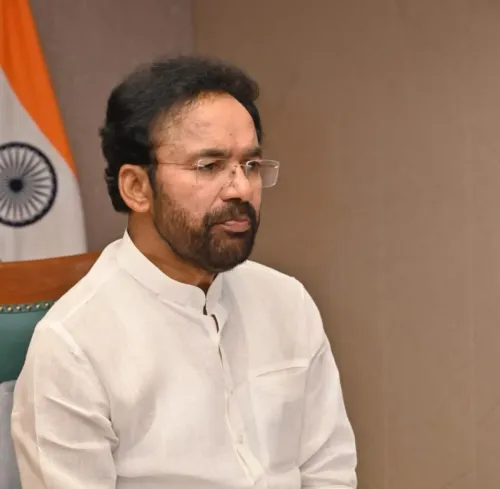
India's energy security landed squarely in the boardroom on Saturday, October 24, 2026, as Union Coal and Mines Minister G. Kishan Reddy chaired a review meeting with officials from the Ministry of Coal, pressing all coal subsidiaries to ramp up production and accelerate dispatch timelines to keep the country's power grid uninterrupted.
What the minister demanded from coal subsidiaries
Reddy's message was direct: produce more, move it faster. The minister 'emphasised the need for enhanced coal production and faster dispatches across all coal subsidiaries,' according to his post, framing the push explicitly around uninterrupted supply and India's energy security. Coal India Limited (CIL) — the world's largest coal producer and the umbrella body whose subsidiary network forms the backbone of domestic output — is the primary vehicle through which such directives translate into actual pit-face and dispatch performance.
Why coal dispatch speed matters as much as production volume
Production targets alone do not keep turbines spinning. Logistics bottlenecks — inadequate rake availability, siding congestion, last-mile connectivity — have historically caused coal stocks at power plants to dip even when mine output looks healthy on paper. By pairing the call for higher output with a specific emphasis on 'faster dispatches,' Reddy signalled that the ministry is tracking the full supply chain, not just the headline production number.
India's power sector runs on coal for the majority of its baseload generation. Any slippage in supply — particularly heading into winter months when industrial demand stays elevated — can translate quickly into load-shedding for consumers and cost pressure for utilities.
The longer arc: from import dependence to domestic push
The meeting sits inside a policy trajectory that has been building since 2014-15, when successive annual production targets began climbing. The landmark opening of commercial coal mining to private players via competitive auctions in 2020 was a structural bet on the same thesis: more domestic supply equals a smaller import bill and a more resilient grid. Progressive governments have maintained coal as the dominant baseload fuel even as solar and wind capacity scales up, on the practical logic that intermittent renewables still need a dispatchable backstop.
Reddy's review meeting is a live reminder that the operational work — subsidiary by subsidiary, rake by rake — is where that ambition is either realised or lost.
The next set of quarterly coal production and dispatch figures will be the clearest indicator of whether Saturday's directives translated into measurable movement at the mine face.
Point of View
The ministry's focus on dispatch speed — not just raw output — shows a maturing operational awareness. The political stakes are real: power cuts damage any sitting government, and Reddy's Telangana base means he is acutely sensitive to grid reliability as his party fights to regain ground in the state. Watch whether this translates into concrete subsidiary-level accountability or remains aspirational direction.
NationPress
24 Oct 2026
Frequently Asked Questions
What did Kishan Reddy say at the Coal Ministry review meeting?
He emphasised the need for enhanced coal production and faster dispatches across all coal subsidiaries to ensure uninterrupted supply and strengthen India's energy security.
Which organisation is responsible for India's coal production targets?
Coal India Limited (CIL) is the largest public-sector coal producer and operates through multiple subsidiaries that carry out the bulk of domestic coal output under targets set by the Ministry of Coal .
Why is coal dispatch speed important for India's power sector?
Even when mine production is on target, logistics bottlenecks can reduce coal stocks at power plants. Faster dispatches help prevent supply gaps that could cause load-shedding for consumers and cost pressure for utilities.
When did India open coal mining to private companies?
India launched commercial coal mining auctions for private players in 2020 to augment domestic output and reduce dependence on coal imports.
Who is G. Kishan Reddy?
G. Kishan Reddy is the Union Minister of Coal and Mines in the Government of India and also serves as the BJP Telangana state president .