KTR Hails Hyderabad Startup's Satellite Battery First
Synopsis
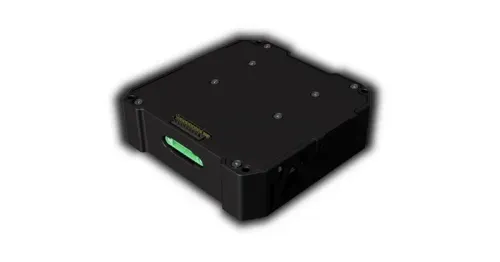
Hyderabad startup TakeMe2Space's PowerBank-50 has become the first Indian-made satellite battery pack to earn flight heritage after flying on Skyroot Aerospace's Vikram-1 mission. BRS working president K. T. Rama Rao congratulated founder Ronak Samantray, highlighting the startup's roots at T-Works, India's largest prototyping facility.
Key Takeaways
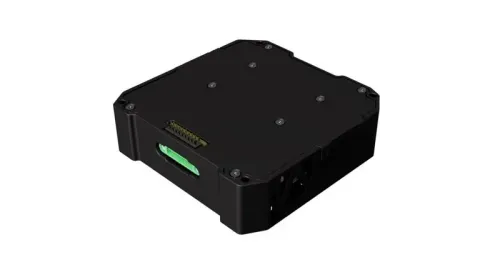
TakeMe2Space 's PowerBank-50 is the first Indian-made satellite battery pack to achieve 'flight heritage' status.
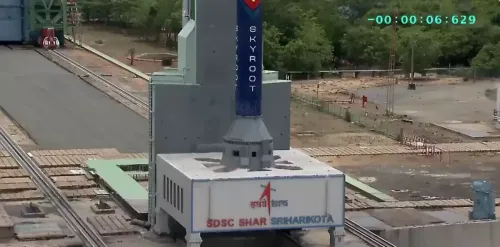
The hardware flew aboard Skyroot Aerospace 's Vikram-1 orbital mission.
The startup was incubated at T-Works Hyderabad , India's largest government-backed prototyping facility.
BRS working president K.
Rama Rao congratulated founder Ronak Samantray and the TakeMe2Space team on 1 August 2026 .
India's 2020 IN-SPACe reforms enabled private participation in satellite manufacturing and launches, creating the policy foundation for this milestone.
Flight heritage status unlocks commercial contracts for satellite power systems, reducing India's reliance on imported subsystems.
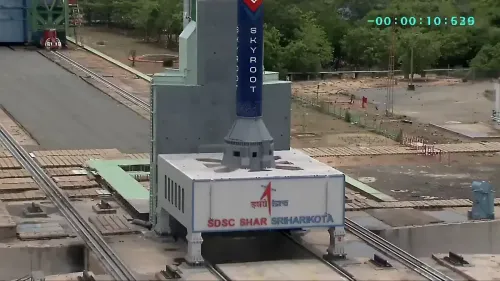
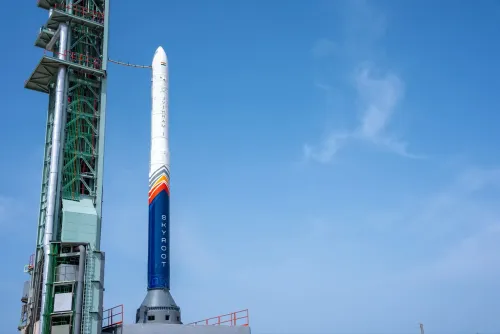
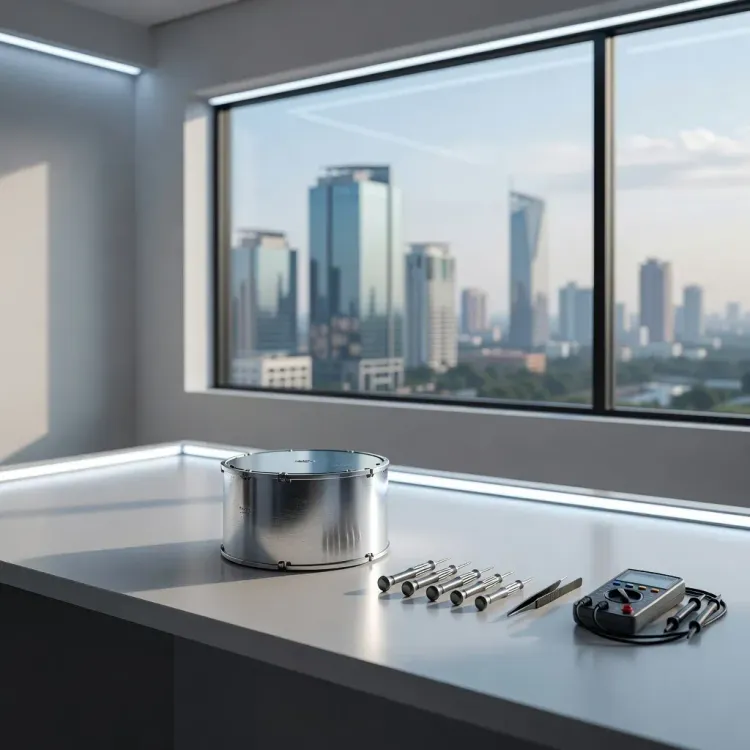
A Hyderabad garage-to-orbit story just wrote a new chapter for Indian private space. TakeMe2Space's PowerBank-50 satellite battery pack has become the first Indian-made satellite power system to earn 'flight heritage' — the aerospace industry's gold standard for hardware that has survived a real mission in the vacuum of space — after flying aboard Skyroot Aerospace's Vikram-1 rocket.
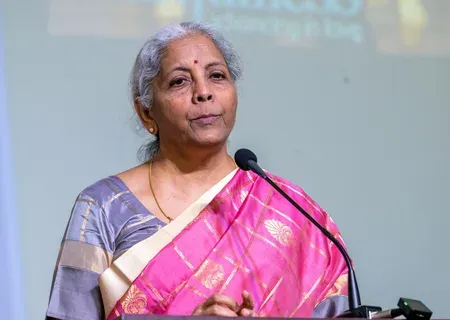
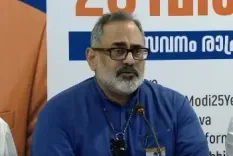
BRS working president K. T. Rama Rao welcomed the milestone on 1 August 2026, congratulating TakeMe2Space founder Ronak Samantray and the team, and noting with particular pride that the startup 'took its initial shape at T-Works Hyderabad, India's largest prototyping facility.'
From T-Works bench to orbital mission
T-Works, a Telangana government-backed prototyping hub in Hyderabad, was where Samantray first assembled the hardware concepts that would eventually power a satellite in orbit. The facility is designed precisely for this pipeline — giving hardware startups access to industrial-grade machinery before they have the capital to build their own factories. TakeMe2Space is now among the clearest proof-points that the model works.
'Flight heritage' matters enormously in the satellite supply chain. Without it, even technically sound hardware struggles to win contracts — satellite operators are notoriously risk-averse when it comes to unproven components flying on missions worth tens of millions of dollars. Clearing that bar on the Vikram-1 mission opens commercial doors that were previously shut.
Skyroot's Vikram-1 and India's private launch ecosystem
Skyroot Aerospace, the Hyderabad-based launch vehicle developer, has been building the Vikram rocket series as part of India's rapidly expanding private launch market. The company's missions have served as a proving ground not just for its own rockets but for the broader ecosystem of Indian space hardware startups seeking their first real-world validation. TakeMe2Space's PowerBank-50 is the latest — and most visible — beneficiary of that role.
India's 2020 space sector reforms, which opened satellite manufacturing and launch services to private players through the IN-SPACe framework, created the regulatory runway for exactly this kind of milestone. State-level infrastructure like T-Works and national-level policy via IN-SPACe are now visibly feeding into real orbital missions — not just roadmaps and press releases.
What the PowerBank-50 milestone signals
Satellite battery packs are a critical subsystem — they store solar energy and power the spacecraft during eclipse periods when solar panels go dark. An Indian-made solution with verified flight heritage means domestic satellite builders no longer need to depend entirely on imported power systems, a meaningful step toward the supply-chain self-reliance that Indian space policy has been targeting.
With Skyroot planning follow-on Vikram missions and T-Works-incubated startups maturing across satellite subsystems, the PowerBank-50's success is less a finish line than a launchpad — for TakeMe2Space, and for the cluster of deep-tech hardware companies Hyderabad is quietly building around it.
Point of View
But the subsystems inside them. KTR's acknowledgement of T-Works' role is a pointed reminder that state-level infrastructure investment, not just national-level policy, is what converts IN-SPACe reforms into actual hardware in orbit. For Telangana's deep-tech positioning, a Hyderabad startup appearing on an orbital mission manifest is a stronger credential than any investor roadshow. The pattern to watch: whether this 'T-Works to orbit' pipeline produces more certified subsystems, turning Hyderabad into a genuine satellite components hub rather than just a software city.
NationPress
15 Sept 2026
Frequently Asked Questions
What is TakeMe2Space's PowerBank-50?
The PowerBank-50 is a satellite battery pack developed by Hyderabad-based startup TakeMe2Space. It stores solar energy to power satellites during eclipse periods and has become the first Indian-made satellite battery pack to earn 'flight heritage' status after flying on Skyroot Aerospace's Vikram-1 mission.
What does 'flight heritage' mean in the space industry?
'Flight heritage' means a piece of hardware has successfully completed a real space mission. It is a critical credential in the satellite industry because operators prefer components with proven performance in the harsh conditions of space before committing them to high-value missions.
What is Skyroot Aerospace's Vikram-1 mission?
Vikram-1 is an orbital launch mission by Skyroot Aerospace, a Hyderabad-based private launch vehicle developer. The mission carried TakeMe2Space's PowerBank-50 battery pack, giving it its first real-world spaceflight validation.
What is T-Works Hyderabad?
T-Works is a Telangana government-backed prototyping facility in Hyderabad, described as India's largest. It provides hardware startups with access to industrial-grade machinery and infrastructure. TakeMe2Space founder Ronak Samantray built the company's initial prototypes there.
What are India's IN-SPACe space reforms?
IN-SPACe, or the Indian National Space Promotion and Authorisation Centre, was established under India's 2020 space sector reforms to open satellite manufacturing and launch services to private companies. These reforms created the regulatory environment that enabled startups like TakeMe2Space and Skyroot Aerospace to operate and reach orbit.