Anurag Thakur Hails India's First Indigenous Satellite Battery in Orbit
Synopsis
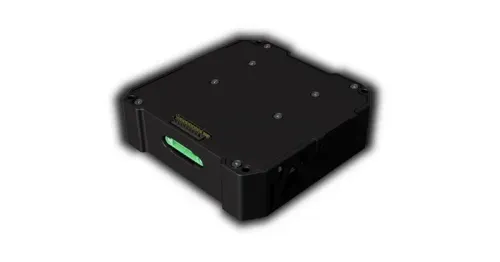
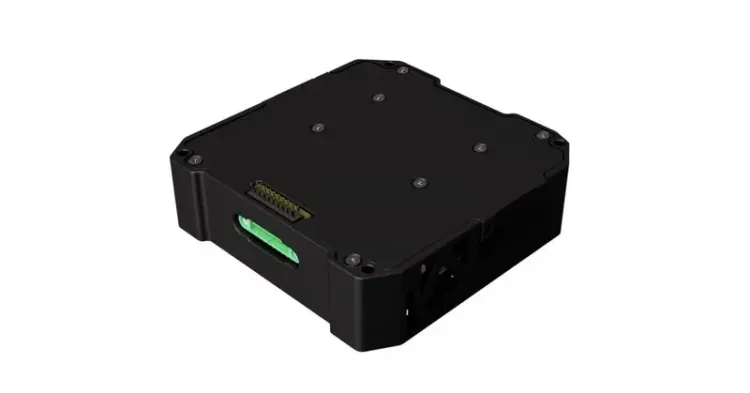
India's first indigenously developed satellite battery, Power-Bank 50 by TakeMe2Space, has achieved flight heritage in orbit — ending years of costly import dependence for a critical space component. BJP MP Anurag Thakur hailed the milestone as a landmark for Atmanirbhar Bharat and India's growing private space sector.
Key Takeaways
Power-Bank 50 by TakeMe2Space is India's first indigenously developed satellite battery to achieve verified flight heritage in orbit.
Indian satellite manufacturers previously depended heavily on imports for this component, facing high costs and long procurement lead times.
The milestone aligns with the Atmanirbhar Bharat initiative launched in May 2020 to build self-reliance in critical technologies.
India opened its space sector to private participation in 2020 via the IN-SPACe framework, enabling startups like TakeMe2Space to develop mission-critical hardware.
Flight heritage — proof of performance in actual orbital conditions — is the key threshold that allows other satellite programmes to adopt the component domestically.
India's satellite builders no longer have to wait months and pay premium import prices for a critical power component — because one has now been built, launched, and proven in space right here at home. BJP MP Anurag Thakur on Friday, July 31, 2026, congratulated the team behind TakeMe2Space's Power-Bank 50, calling it a proud milestone for Atmanirbhar Bharat as India's first indigenously developed satellite battery achieved flight heritage in orbit.
For years, the gap in India's space supply chain was quiet but costly. Satellite manufacturers sourcing power systems from abroad faced two compounding problems: high procurement costs and long lead times that could delay entire mission timelines. Power-Bank 50 directly addresses both. By demonstrating reliable performance in orbit, it has crossed the single most important threshold in space hardware — flight heritage, the proof that a component actually works in the environment it was built for.
TakeMe2Space and the Private Sector's New Role
TakeMe2Space is among the wave of Indian space startups that gained ground after 2020, when the government opened the sector to private participation through the IN-SPACe framework. That structural shift — running alongside ISRO rather than replacing it — was designed precisely to catalyse indigenous development of components that India had historically imported. Power-Bank 50 is one of the clearest early results of that bet paying off. Thakur's post captured the significance directly: 'Until now, Indian satellite builders had to depend largely on imports for this critical component, involving high costs and long waiting periods.' That sentence is not rhetorical — it describes a real structural constraint that every domestic satellite programme has had to plan around.Atmanirbhar Bharat's Space Chapter
The Atmanirbhar Bharat initiative, announced in May 2020, set self-reliance in critical technologies as a national priority across sectors. Space was always part of that ambition, but ambition needs proof points. A satellite battery with verified orbital performance is exactly that — a concrete, testable, exportable proof point that Indian engineering can deliver mission-critical hardware, not just assemble it. With Power-Bank 50 now carrying flight heritage, other Indian satellite programmes can qualify it as a domestic alternative. That compounding effect — one proven component unlocking procurement decisions across multiple future missions — is where the real long-term value lies. India's space ambitions are large and accelerating. The components that power them should be built here too. Power-Bank 50 just made that argument in the most convincing language possible: it worked.Point of View
Not merely a symbolic one — once a component clears orbital validation, it becomes qualifiable across multiple future missions, compounding its impact far beyond a single launch. The milestone reinforces that India's post-2020 private space reforms are producing tangible, exportable hardware, not just policy intent. For the broader Atmanirbhar Bharat narrative, space components carry outsized strategic weight: import dependence in satellite power systems is a vulnerability in both commercial and defence-adjacent programmes. Thakur's endorsement signals that political attention to indigenous space hardware is intensifying, which typically precedes stronger procurement mandates or incentive frameworks for domestic suppliers.
NationPress
14 Sept 2026
Frequently Asked Questions
What is Power-Bank 50 and who made it?
Power-Bank 50 is India's first indigenously developed satellite battery, built by the company TakeMe2Space. It has achieved flight heritage, meaning it has been successfully deployed and operated in orbit.
What does 'flight heritage' mean for a satellite component?
Flight heritage means a component has been launched into space and demonstrated reliable performance in actual orbital conditions. It is the critical certification threshold that allows other satellite programmes to adopt and trust the component.
Why did India import satellite batteries before Power-Bank 50?
India lacked a domestic supplier for this critical power component, forcing satellite manufacturers to source from abroad. This resulted in high procurement costs and long waiting periods that could delay mission schedules.
How does Power-Bank 50 relate to Atmanirbhar Bharat?
Atmanirbhar Bharat, launched in May 2020, promotes self-reliance in manufacturing and critical technologies including space. Power-Bank 50 is a direct output of that policy push, replacing an imported component with a domestically designed and proven alternative.
What is IN-SPACe and how did it help TakeMe2Space?
IN-SPACe is the Indian National Space Promotion and Authorisation Centre, established in 2020 to open India's space sector to private companies alongside ISRO. It created the regulatory and commercial environment that allowed startups like TakeMe2Space to develop and test mission-critical space hardware.