Lalan Singh hosts National Workshop on People's Plan Campaign
Synopsis
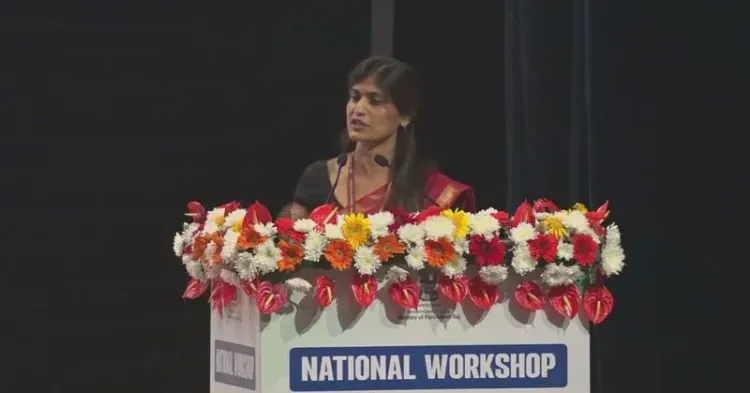
Union Minister Rajiv Ranjan Singh (Lalan Singh) livestreamed a National Workshop on the People's Plan Campaign on October 30, 2026, driving the Ministry of Panchayati Raj's annual push for participatory Gram Panchayat Development Plan preparation ahead of the 2027-28 cycle.
Key Takeaways
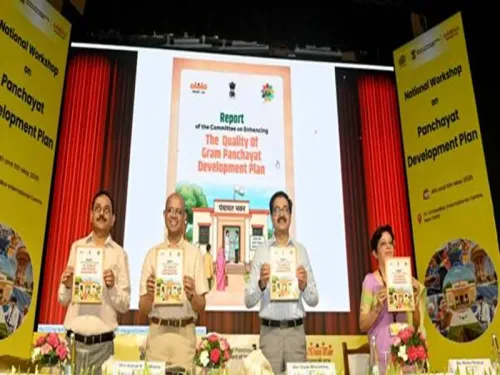
Union Minister Lalan Singh hosted and livestreamed a National Workshop on the People's Plan Campaign on October 30, 2026 .
The People's Plan Campaign is the Ministry of Panchayati Raj's annual drive for community-based Gram Panchayat Development Plans (GPDPs) .
The constitutional basis is the 73rd Amendment Act, 1992 , which devolved 29 subjects to elected local bodies.
National workshops serve as capacity-building platforms for state officials, panchayat functionaries, and elected representatives ahead of GPDP submission windows.
The workshop signals early Ministry mobilisation for the 2027-28 GPDP cycle .
Broadcasting live on X reflects the Ministry's push to make grassroots planning processes publicly visible.
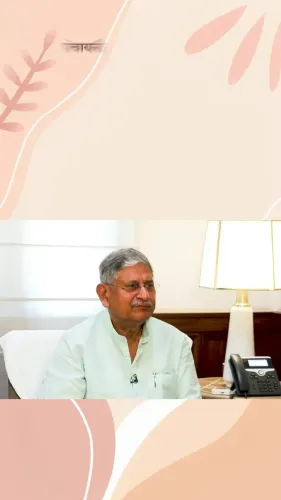
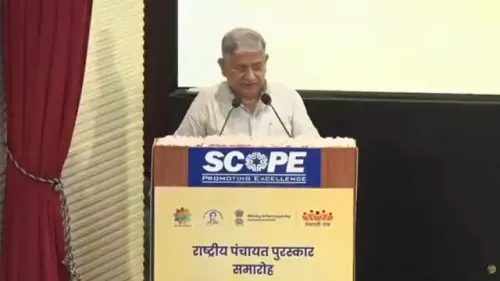
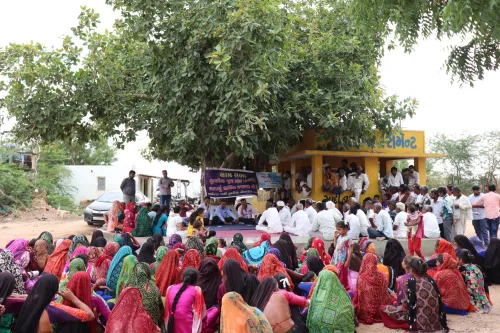
Grassroots democracy gets its annual spotlight. Union Panchayati Raj and Fisheries Minister Rajiv Ranjan Singh on Friday, October 30, 2026 went live from a National Workshop on the People's Plan Campaign — the Ministry of Panchayati Raj's flagship drive to put village-level development planning directly in the hands of gram sabhas across India.
What the People's Plan Campaign actually does
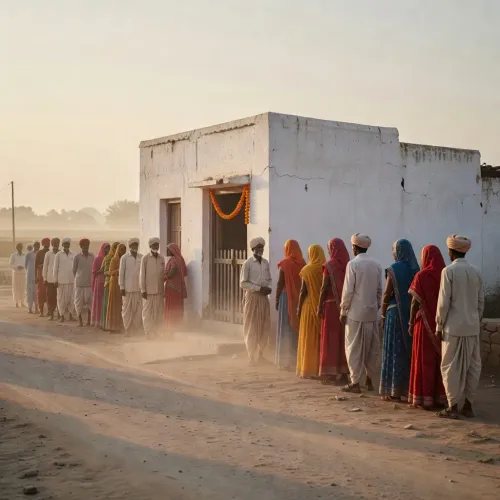
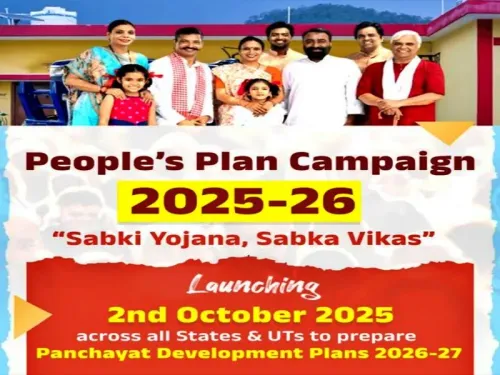
Launched from 2015-16 onwards as the operational engine of the Gram Panchayat Development Plan (GPDP) framework, the People's Plan Campaign is held every year to push all 2.5 lakh-plus gram panchayats to draft locally-owned, evidence-based village plans. The constitutional backbone is the 73rd Amendment Act of 1992, which devolved 29 subjects — from primary education and health to minor irrigation and poverty alleviation — to elected local bodies. The campaign translates that constitutional promise into annual planning cycles, with communities deliberating on needs, priorities, and convergence of central and state scheme funds.
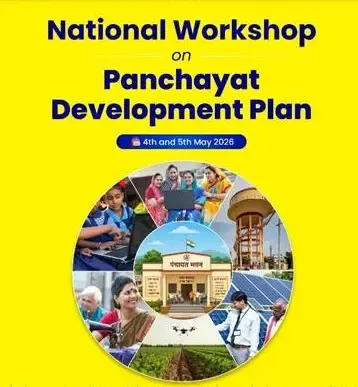
National workshops of this kind serve as a capacity-building reset — bringing together officials, elected panchayat representatives, and state-level functionaries to sharpen the quality of GPDPs before submission windows open for the next financial year. For the 2027-28 cycle, the workshop signals that the Ministry is moving early to tighten the planning pipeline.
Why Lalan Singh's ministry keeps this on the calendar
Rajiv Ranjan Singh, the senior Janata Dal (United) leader from Bihar popularly known as Lalan Singh, has maintained steady institutional momentum on Panchayati Raj capacity building since taking charge. Bihar, his home state, has one of India's most densely networked panchayat structures — giving him both a political stake and a ground-level lens on what participatory planning requires in practice. Broadcasting the workshop live on X underscores the Ministry's push to make these processes visible beyond conference rooms.
The broader pattern is consistent: the Ministry uses the pre-winter window each year to recalibrate GP planning capacity before the post-October 2 Gandhi Jayanti burst of gram sabha activity concludes and formal GPDP submissions begin. A national workshop at this stage keeps state governments, district panchayat officers, and elected pradhans aligned on timelines and quality benchmarks.
If the 2027-28 GPDP submissions follow the established cycle, the outcomes of today's workshop will shape how hundreds of thousands of village plans are written — and how central funds flow to the last mile. That is not a bureaucratic footnote. That is where policy meets the pump, the road, and the school wall.
Point of View
Not just an administrative routine. For the NDA coalition, sustained investment in GP capacity building allows JD(U) — Lalan Singh's party — to claim tangible federal-cooperative credentials on a constitutionally mandated mandate. The timing, ahead of the 2027-28 GPDP cycle, also pre-empts any narrative of Centre-state friction over fund devolution to local bodies. Longer-term, the quality of GPDPs produced after workshops like this will be a key metric for how seriously India's decentralisation promise is being kept.
NationPress
30 Oct 2026
Frequently Asked Questions
What is the People's Plan Campaign in India?
The People's Plan Campaign is an annual Ministry of Panchayati Raj initiative that mobilises gram panchayats to prepare Gram Panchayat Development Plans (GPDPs) through community participation, ensuring bottom-up, need-based village development planning aligned with central and state schemes.
What is a Gram Panchayat Development Plan (GPDP)?
A GPDP is a village-level development plan drafted by elected gram panchayats under the 73rd Constitutional Amendment framework, covering up to 29 devolved subjects including sanitation, health, education, and local infrastructure.
Who is Lalan Singh and what ministry does he head?
Lalan Singh, formally known as Rajiv Ranjan Singh, is a senior Janata Dal (United) leader from Bihar and Union Minister of Panchayati Raj, Fisheries, Animal Husbandry and Dairying in the central government.
What is the 73rd Constitutional Amendment and why does it matter for panchayats?
The 73rd Constitutional Amendment Act of 1992 constitutionalised Panchayati Raj institutions in India and devolved 29 subjects to local elected bodies, forming the legal foundation for all gram panchayat planning and development activities including the People's Plan Campaign.
When does the People's Plan Campaign typically take place?
The People's Plan Campaign runs on an annual cycle, with national workshops and gram sabha activity typically concentrated in the post-October period to align with GPDP preparation and submission timelines for the following financial year.