Talha Saeed Set to Lead Lashkar-e-Taiba Amid ISI Leadership Restructure
Synopsis
The ISI is initiating a significant leadership shift within Lashkar-e-Taiba, emphasizing younger leaders. Talha Saeed, Hafiz Saeed's son, is poised to take charge as the older generation loses influence, marking a pivotal change in strategy for the militant group.
Key Takeaways
ISI is restructuring Lashkar-e-Taiba's leadership.
Talha Saeed is set to replace Hafiz Saeed.
Younger leaders are preferred for better recruitment and technological adaptation.
Lashkar-e-Taiba aims to modernize operations through technology.
The leadership change may serve as a model for other militant groups.
New Delhi, March 24 (NationPress) The ISI is devising a strategy to revamp the leadership of Lashkar-e-Taiba as there is an increasing demand for younger figures within the organization. Due to his advancing age, Hafiz Saeed has been advised to step back.
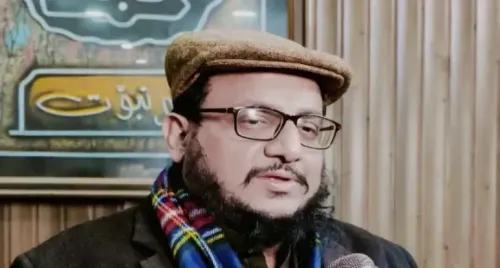
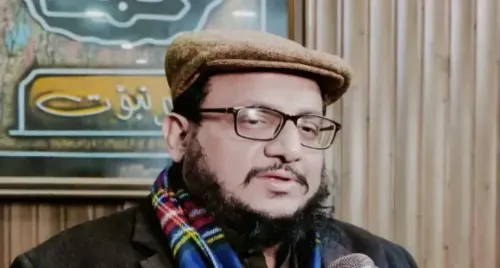
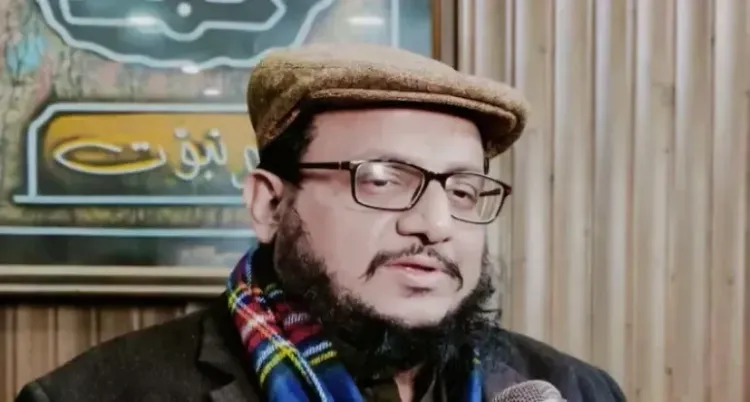
Moreover, the ISI is keen on appointing younger leaders to steer the group, as they appear to attract more attention compared to their predecessors. An official noted that Talha Saeed, Hafiz Saeed's son, is likely to take the helm, supported by Saifullah Kasuri, a prominent leader in the organization known for his connections with the ISI.
This leadership transition has been in the works for several months. The previous leadership, including Hafiz Saeed and Zaki-ur-Rehman Lakhvi, is failing to draw in new recruits. The younger demographic considers Lakhvi and Saeed outdated, with their ideologies no longer resonating. Additionally, the ISI believes that younger members will better adapt to technology, which is crucial for modern terror operations.
The anticipated new leadership is expected to implement numerous technological advancements within Lashkar-e-Taiba. They will seek recruits proficient in digital systems, with a significant emphasis on the large-scale use of Artificial Intelligence (AI). A young leadership is deemed essential for achieving these goals, according to officials.
After Operation Sindoor, Lashkar-e-Taiba faced significant setbacks, losing not only personnel but also its main training facility in Muridke, where terrorists were prepared for major operations against India, notably the catastrophic 26/11 Mumbai attacks.
An official from the Intelligence Bureau indicated that this leadership transition will initiate with Lashkar-e-Taiba and subsequently extend to other groups like Jaish-e-Mohammad and Hizbul Mujahideen. The ISI aims for these organizations to embrace new technologies for executing attacks.
The Lashkar-e-Taiba will recruit individuals based on their technical skills, with a primary focus on technological proficiency. This shift signifies a transition towards more hybrid forms of attacks, moving away from the conventional methods previously employed.
However, officials clarified that this new approach does not imply the abandonment of traditional attack styles. The emphasis will shift from conventional attacks to modern strikes, incorporating cyber warfare and disinformation campaigns utilizing AI, among other tools.
Another official explained that the ISI does not intend to create a secondary tier of leadership; instead, it seeks a comprehensive overhaul, replacing senior leaders with a younger cohort.
While Hafiz Saeed will remain involved as a mentor and symbolic figure, operational duties and recruitment will be entirely managed by Talha Saeed and Kasuri, both of whom are favored by Hafiz Saeed and trusted by the Pakistani authorities.
Following Operation Sindoor, the ISI has been assisting Lashkar-e-Taiba in restructuring. During this process, the ISI recognized that the youth had lost confidence in figures like Hafiz Saeed, deeming them obsolete, prompting the strategic shift towards younger leadership.
Nonetheless, it was emphasized that Saeed and Lakhvi cannot be entirely disregarded; their presence remains crucial for maintaining cohesion among existing members.
The leadership transition is underway and will be executed in phases to mitigate the risk of Lashkar-e-Taiba disintegration. Consideration has been given to every member and commander prior to rolling out this leadership strategy.
Officials assert that the changes in Lashkar-e-Taiba will serve as a prototype for the ISI, and if successful, the same framework will be applied to Jaish-e-Mohammad and Hizbul Mujahideen.
Point of View
Reflecting changing dynamics in militant recruitment and operations. The ISI's strategy indicates a shift towards technology-driven warfare, which could reshape the landscape of regional security.
NationPress
22 Sept 2026
Frequently Asked Questions
Why is the ISI changing the leadership of Lashkar-e-Taiba?
The ISI aims to introduce younger leaders who can attract recruits and adapt to modern technology, as the older guard is perceived as outdated.
What impact will this leadership change have?
The change is expected to modernize Lashkar-e-Taiba’s operations, focusing on technology and hybrid attacks.
What does the ISI's strategy imply for other groups?
If successful, the same leadership restructuring strategy will be applied to other groups like Jaish-e-Mohammad and Hizbul Mujahideen.
Will Hafiz Saeed still be involved in Lashkar-e-Taiba?
Yes, Hafiz Saeed will remain involved as a mentor, while operational responsibility will shift to Talha Saeed and Saifullah Kasuri.