India's first hydrogen train loco pilot: 'Safety rating very high, all systems automatic'
Synopsis
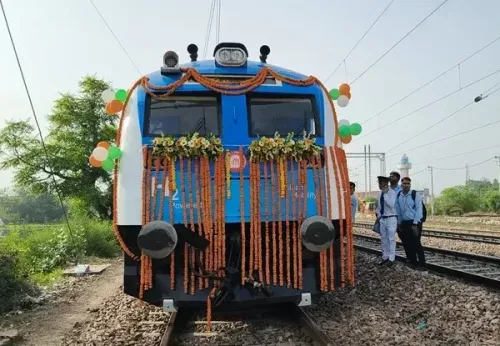
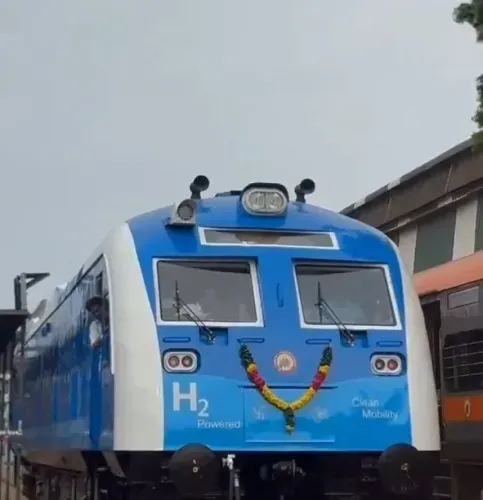
India's first hydrogen-powered passenger train is now running — and the man at the controls says the safety systems are fully automatic, the training took just four days in Chennai, and the technology emits nothing but water. As PM Modi flagged it off from Jind, India quietly joined Germany, Japan, and China in the hydrogen rail club. The real question is whether this pilot route becomes a blueprint or a one-off.
Key Takeaways
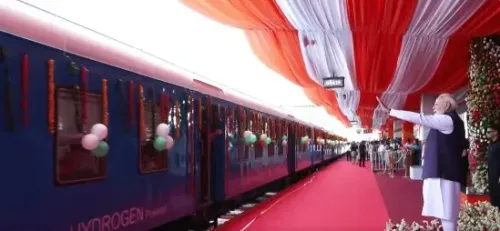
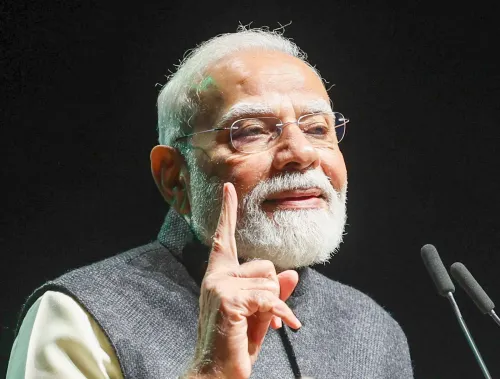
PM Narendra Modi flagged off India's first hydrogen-powered passenger train from Jind, Haryana on 17 July .
The train will operate on the Jind-Sonipat route at 75 kmph , though it is capable of 110 kmph .
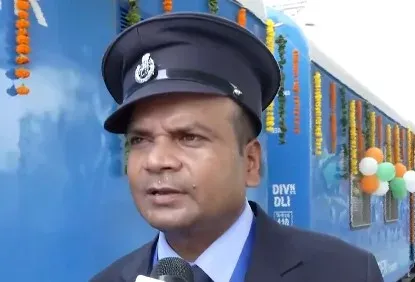
Loco pilot Chandrakant Kumar confirmed all safety systems are automatic and the safety rating is 'very high'.
Operating staff underwent four days of specialised training in Chennai before being assigned to the service.
An indigenous hydrogen storage and refuelling facility at Jind has received a licence from PESO .
India joins Germany, Japan, China , and the United States in exploring hydrogen rail technology.
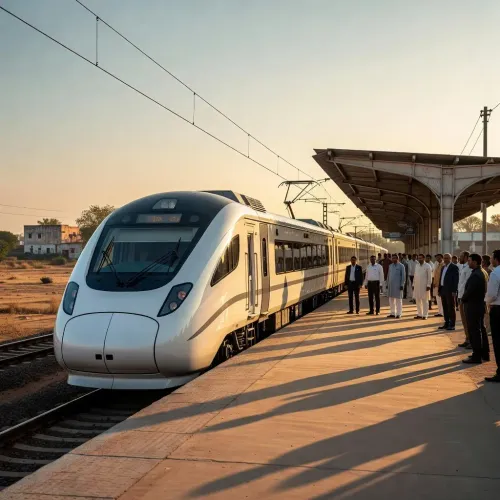
Prime Minister Narendra Modi on Friday, 17 July flagged off India's first hydrogen-powered passenger train from Jind, Haryana, marking the country's entry into hydrogen rail technology. Loco pilot Chandrakant Kumar, who will operate the train on the Jind-Sonipat route, described the milestone as a landmark shift in Indian Railways' approach to clean transportation.
Loco Pilot on What Makes This Train Different
Speaking at the launch, Chandrakant Kumar underscored the train's zero-emission credentials. 'It's too good... The special feature of this train is that it runs on hydrogen and does not cause pollution. It does not emit carbon. This is a very good development and makes it different from other trains, which run on diesel or electricity. Hydrogen is separated from water, from which this train will run,' he said.
Kumar noted that the train is capable of running at 110 kmph, though it will operate at 75 kmph on the Jind-Sonipat section due to the prevailing speed limit on that corridor.
Specialised Training in Chennai
Operating staff assigned to the hydrogen train underwent dedicated training before being cleared to run the service. 'Training was given in Chennai for four days,' Kumar confirmed. The training covered the train's unique propulsion system and operational protocols distinct from conventional diesel or electric rolling stock.
Safety Features and Automatic Systems
Kumar highlighted the train's advanced safety architecture as a key differentiator. 'The safety rating is very high. In smoke, in leakage, in flames, it works differently. For operating it, a very comfortable system is provided to loco pilots. In this train, all safety systems are automatic,' he said.
The indigenously developed hydrogen storage and refuelling infrastructure has been established at Jind, and the Petroleum and Explosives Safety Organisation (PESO) has granted the requisite licence for the storage and dispensing of compressed hydrogen gas — a critical regulatory clearance for the project's operationalisation.
India Joins Select Group of Hydrogen Rail Nations
With this launch, India joins Germany, Japan, China, and the United States in exploring hydrogen-powered rail systems. The technology remains at an early stage globally, with only a limited number of nations currently operating or testing such trains. The Jind-Sonipat section has been designated the pilot route, with the project aligned to India's broader net-zero carbon emission targets.
This comes amid Indian Railways' sustained push toward energy efficiency and sustainable transport, and reflects the government's clean energy ambitions. Whether the pilot translates into a wider hydrogen rail network will depend on the operational data gathered on this route in the months ahead.
Point of View
One train, one corridor. The four-day Chennai training programme and PESO clearance suggest the groundwork is serious, but the scale is embryonic compared with Germany's Coradia iLint deployment or China's hydrogen rail ambitions. Indian Railways has a long history of flagship launches that do not scale; the Jind-Sonipat pilot will be judged not by its inauguration but by its uptime, cost-per-kilometre, and whether the refuelling infrastructure can be replicated without prohibitive capital expenditure. The net-zero framing is credible only if this becomes a replicable model, not a prestige project.
NationPress
17 Jul 2026
Frequently Asked Questions
What is India's first hydrogen-powered passenger train?
It is a zero-emission train flagged off by Prime Minister Narendra Modi from Jind, Haryana on 17 July, set to operate on the Jind-Sonipat route. The train runs on hydrogen separated from water and emits no carbon, distinguishing it from conventional diesel or electric trains.
Who is the loco pilot of India's first hydrogen train?
Chandrakant Kumar is the loco pilot assigned to operate India's first hydrogen-powered passenger train. He underwent four days of specialised training in Chennai before being cleared to run the service.
What are the safety features of India's hydrogen train?
According to loco pilot Chandrakant Kumar, the train's safety rating is very high, with fully automatic safety systems designed to respond differently in scenarios involving smoke, leakage, or flames. The Petroleum and Explosives Safety Organisation (PESO) has also granted the licence for hydrogen storage and dispensing at Jind.
At what speed will the hydrogen train operate?
The train is capable of running at 110 kmph but will operate at 75 kmph on the Jind-Sonipat section due to the speed limit on that corridor.
Which countries operate hydrogen-powered trains?
Germany, Japan, China, and the United States are among the countries exploring hydrogen-powered rail systems. With the Jind launch, India has joined this select group, though the technology remains at an early stage globally.