Lok Sabha Passes Exam Anti-Cheat Amendment Bill: CM Dhami

Synopsis
Uttarakhand CM Pushkar Singh Dhami welcomed the Lok Sabha's passage of the Public Examinations (Prevention of Unfair Means) Amendment Bill, 2026, calling it a historic step against paper leaks, exam mafias, and organised cheating networks that have long undermined India's competitive examination system.
Key Takeaways
The Lok Sabha passed the Public Examinations (Prevention of Unfair Means) Amendment Bill, 2026 on 29 July 2026 .
Uttarakhand CM Pushkar Singh Dhami called the passage a 'historic step' for the protection of India's youth.
The bill targets paper-leak gangs, exam mafias, and organised mass cheating in public competitive examinations.
It amends the original Public Examinations (Prevention of Unfair Means) Act, 2024 , which was enacted after the NEET and UGC-NET paper-leak scandals.
The bill must still pass the Rajya Sabha and receive presidential assent before becoming law.
Bodies such as the National Testing Agency (NTA) will be central to the law's implementation once rules are published.
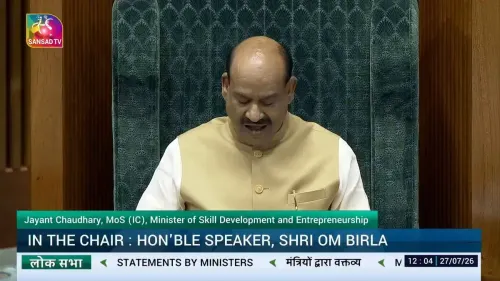
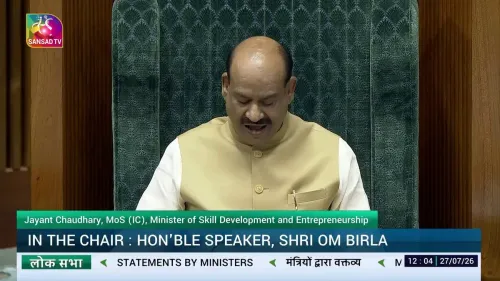
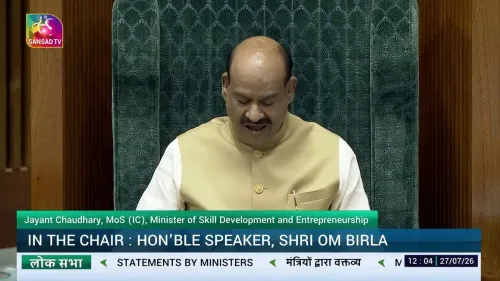
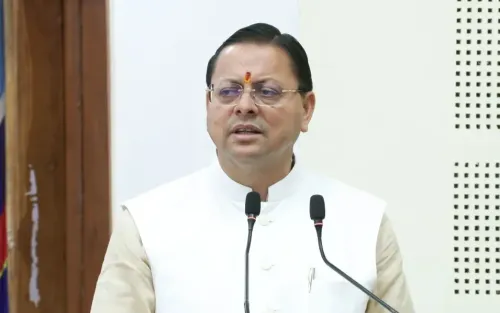
Millions of Indian students who crammed through nights, skipped weddings, and bet their futures on a single competitive exam just got a legislative promise: the system will fight for them. Uttarakhand Chief Minister Pushkar Singh Dhami on Wednesday, 29 July 2026 hailed the passage of the Public Examinations (Prevention of Unfair Means) Amendment Bill, 2026 in the Lok Sabha as a 'historic step' in protecting the futures of crores of hardworking and talented youth.
Posting in Hindi, CM Dhami called the bill's passage a decisive move to crack down on 'exam mafias, paper-leak gangs, and organised cheating' — and credited Prime Minister Narendra Modi's 'visionary leadership' for strengthening the government's commitment to transparency, fairness, and credibility in the examination system.
From NEET Crisis to Legislative Action
The amendment does not emerge in a vacuum. The original Public Examinations (Prevention of Unfair Means) Act, 2024 was itself a direct legislative response to a cascade of high-profile paper-leak scandals — most visibly the NEET and UGC-NET controversies of 2024 — that shook public confidence in India's competitive examination infrastructure and triggered nationwide student protests. That law established the legal framework; the 2026 amendment is designed to sharpen its teeth.
The central government's argument has been consistent: organised cheating networks are not petty offences — they are criminal enterprises that rob meritorious candidates of their rightful seats in medical colleges, government jobs, and universities. The amendment is expected to enhance enforcement mechanisms and stiffen penalties against those who run or abet these networks.
What the Bill Targets
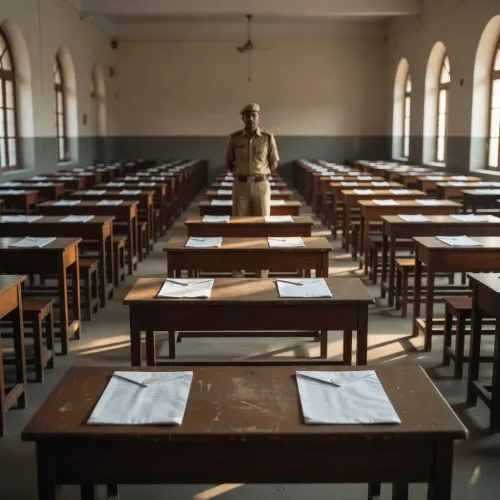
The legislation specifically aims to curb three categories of wrongdoing that have plagued India's high-stakes examination ecosystem: paper leaks sourced from within examination bodies, impersonation and organised mass copying at examination centres, and the broader syndicate-level operations that monetise question papers before candidates even enter the hall. Stricter action against those found guilty is a central plank of the amended law.
Bodies such as the National Testing Agency (NTA), which administers NEET, JEE, and other national-level tests, will be closely watched as the government moves to publish detailed implementation rules following the bill's passage through Rajya Sabha — the upper house, where the bill's journey is still pending.
Dhami's Voice in the Youth Policy Chorus
CM Dhami has consistently positioned himself as a vocal champion of youth-centric central policies, regularly amplifying legislation that touches education, employment, and competitive examinations — issues that resonate sharply in a state like Uttarakhand, where government jobs and central recruitment exams are a primary aspiration for young people in both hill and plain districts.
His post closes with gratitude to the Prime Minister and the central government — a political alignment that also underscores the BJP's broader messaging that the party is the guarantor of meritocracy for India's youth.
The bill now moves to the Rajya Sabha. If it clears the upper house and receives presidential assent, India's anti-paper-leak architecture will have its most comprehensive legal upgrade yet — and the crores of students staring at their next admit cards will have one fewer reason to fear the system is rigged against them.
Point of View
Signalling that exam integrity has become a durable political priority rather than a reactive measure. By framing the bill in terms of protecting 'meritorious youth,' the party is staking a claim on the aspirational middle class that drives competitive exam culture across India. CM Dhami's endorsement also reflects how state BJP leaders are actively co-authoring the central government's youth narrative ahead of electoral cycles. The real test will be implementation — whether the NTA and allied bodies can operationalise the law's tougher enforcement provisions before the next major examination season.
NationPress
29 Jul 2026
Frequently Asked Questions
What is the Public Examinations (Prevention of Unfair Means) Amendment Bill 2026?
It is a bill passed by the Lok Sabha on 29 July 2026 that amends the 2024 Act to strengthen penalties and enforcement mechanisms against paper leaks, exam mafias, and organised cheating in public examinations.
Why was the exam anti-cheat bill introduced in India?
The legislation follows multiple high-profile paper-leak scandals, including the NEET and UGC-NET controversies of 2024, which severely damaged public trust in India's competitive examination system and triggered widespread student protests.
Has the Public Examinations Amendment Bill 2026 become law?
As of 29 July 2026 the bill has been passed by the Lok Sabha. It still needs to clear the Rajya Sabha and receive presidential assent before it becomes law.
What does CM Dhami say about the exam reform bill?
Uttarakhand Chief Minister Pushkar Singh Dhami called the bill's Lok Sabha passage a 'historic step' that will protect crores of hardworking youth and pave the way for strict action against paper-leak gangs and exam mafias.
Which body conducts exams that this bill aims to protect?
The National Testing Agency (NTA), which administers NEET, JEE, and other national-level competitive examinations, is among the key bodies whose processes the amended law is expected to strengthen and safeguard.