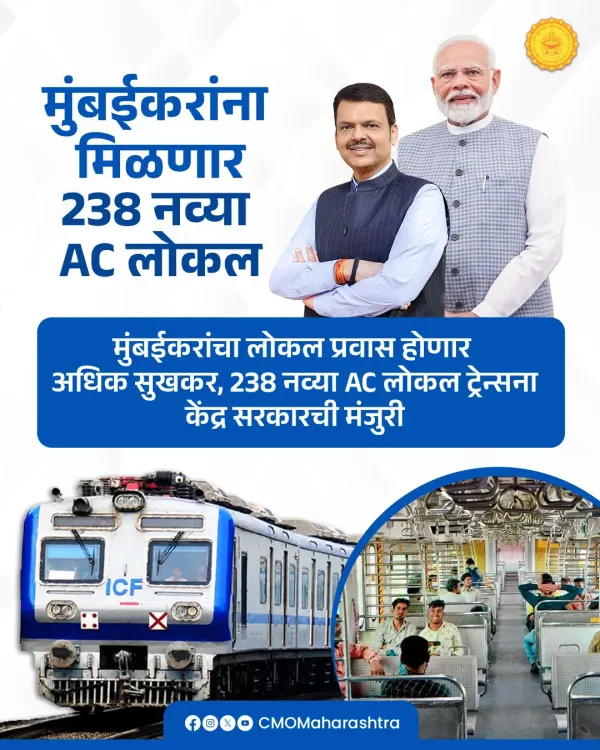
CM Maharashtra Announces 238 New AC Local Trains for Mumbai
Synopsis
The Chief Minister's Office of Maharashtra announced 238 new AC local trains for Mumbai on August 13, 2026, tagging PM Modi, CM Fadnavis, and Railway Minister Vaishnaw. The move signals a major scale-up of the AC suburban fleet serving over 7 million daily commuters on the city's Western and Central Railway corridors.
Key Takeaways
238 new AC local trains announced for Mumbai's suburban rail network by the CMO Maharashtra on August 13, 2026 .
The announcement tagged PM Narendra Modi , CM Devendra Fadnavis , and Railway Minister Ashwini Vaishnaw , signalling three-way central-state coordination.
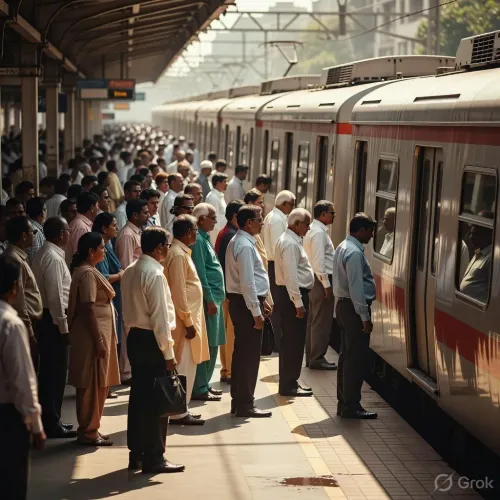
Mumbai's suburban railway serves over 7 million daily commuters on Western and Central Railway corridors.
AC EMU services on Mumbai's Western Railway were first introduced in 2017 as part of Indian Railways' suburban modernisation drive.
Key execution variables include manufacturing orders at plants like ICF , rake delivery schedules, and depot integration capacity.
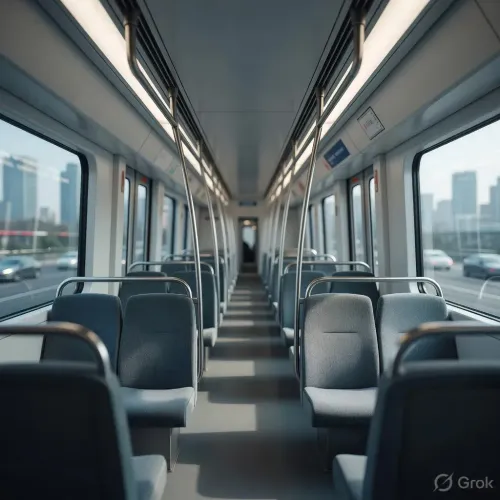
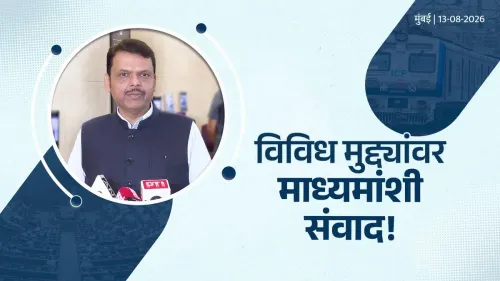
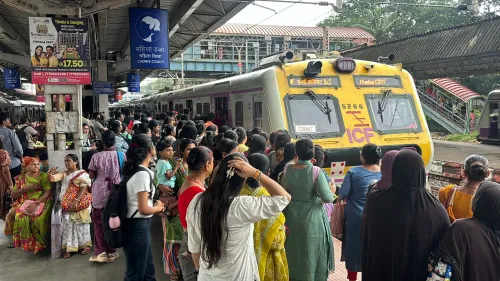
Mumbai's legendary suburban rail network — the lifeline of over 7 million daily commuters — is set for its most significant air-conditioning upgrade yet. The Chief Minister's Office of Maharashtra announced on Thursday, August 13, 2026 that 238 new AC local trains are headed for the city, tagging Prime Minister Narendra Modi, Chief Minister Devendra Fadnavis, and Union Railway Minister Ashwini Vaishnaw in the post.
From 2017 pilot to a 238-train fleet
The journey to air-conditioned commuting on Mumbai's suburban corridors began in 2017, when Indian Railways introduced its first AC EMU rakes on the Western Railway line as part of a broader suburban modernisation drive. That pilot was a proof of concept — cramped, humid peak-hour travel could, in fact, be replaced with something more humane. What the CMO Maharashtra's announcement signals is a leap from experiment to scale.
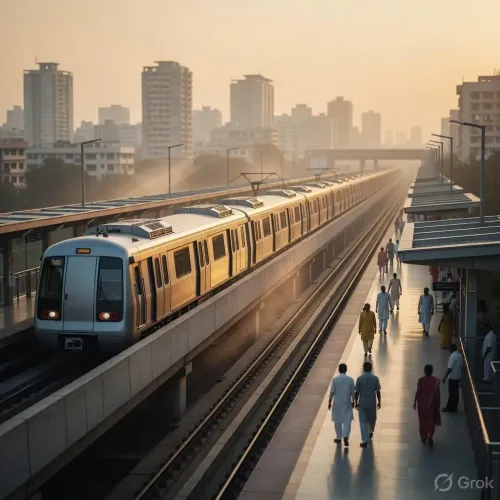
Both the Western Railway and Central Railway corridors have seen incremental AC rake additions since then, but the figure of 238 trains — if delivered — would represent a generational shift in the character of Mumbai's suburban fleet. The network currently handles one of the highest passenger densities of any urban rail system in the world.
Modi, Fadnavis, and Vaishnaw: the three-way coordination behind Mumbai rail
The deliberate tagging of all three leaders in the post maps the chain of command on this project precisely. Prime Minister Modi holds overarching authority over national railway modernisation policy. Railway Minister Vaishnaw controls procurement pipelines, manufacturing orders at plants like the Integral Coach Factory (ICF), and rake delivery schedules. Chief Minister Fadnavis anchors the state-side coordination — land, depots, and last-mile integration.
That triangulation matters because suburban rail in Mumbai sits at the intersection of central and state jurisdiction, a coordination challenge that has historically slowed upgrades. A joint signal from all three offices compresses that friction.
What delivery actually looks like
The critical variables now shift to execution: phased manufacturing orders, rake delivery timelines, and the capacity of existing EMU maintenance depots to absorb a larger AC fleet. Indian Railways' rolling stock renewal programmes have faced lead-time pressures before, and a fleet of this size will require sustained production momentum from manufacturing partners.
For Mumbai's commuters — who endure some of the most punishing peak-hour crush loads on the planet — the promise of 238 AC locals is not a comfort upgrade. It is, for many, a basic dignity question. The kicker, as always, is the gap between announcement and platform.
Point of View
Notably, with all three key political principals publicly named. For CM Fadnavis, delivering visible urban infrastructure in Mumbai is central to his political brand in the state's commercial capital. The announcement also reflects Indian Railways' broader strategic pivot: rather than building new lines alone, modernising existing high-density corridors with quality rolling stock. Whether the number holds through procurement and delivery will be the real test of this political alignment.
NationPress
28 Sept 2026
Frequently Asked Questions
How many new AC local trains are coming to Mumbai?
The Chief Minister's Office of Maharashtra announced 238 new AC local trains for Mumbai's suburban rail network on August 13, 2026.
When did AC local trains start in Mumbai?
AC EMU local train services were first introduced on Mumbai's Western Railway in 2017 as part of Indian Railways' suburban modernisation programme.
Who is responsible for Mumbai's AC local train project?
Prime Minister Narendra Modi oversees national railway policy, Railway Minister Ashwini Vaishnaw manages procurement and delivery, and CM Devendra Fadnavis coordinates on the Maharashtra state side.
How many people use Mumbai local trains daily?
Mumbai's suburban railway network serves over 7 million daily commuters across its Western and Central Railway corridors, making it one of the busiest urban rail systems in the world.
What is the difference between AC and non-AC local trains in Mumbai?
AC local trains in Mumbai offer air-conditioned coaches with improved comfort compared to conventional EMU rakes, targeting the city's notoriously overcrowded peak-hour commutes on the Western and Central Railway lines.