Mahua Moitra calls Wangchuk detention a Delhi Police 'kidnap'
Synopsis
TMC MP Mahua Moitra accused Delhi Police of detaining Ladakhi activist Sonam Wangchuk ahead of a planned 20 July march, calling it a politically motivated 'kidnap' by a government 'terrified' of the demonstration. The charge reignites debate over Ladakh's unresolved constitutional demands since the 2019 reorganisation.
Key Takeaways
Mahua Moitra publicly accused Delhi Police of detaining Sonam Wangchuk and labelled it a 'kidnap' on 18 July 2026 .
She alleged the detention was ordered to prevent a 20 July march that the government was 'terrified' of.
Sonam Wangchuk is a Ladakhi engineer-activist who has led campaigns for Sixth Schedule inclusion and statehood for Ladakh since 2019 .
Delhi Police operates under central government authority, a fact opposition parties cite when alleging political use of the force.
Ladakh's demands for constitutional protections have remained unresolved since Article 370 was abrogated in August 2019 .
NationPress could not independently verify the specific circumstances of any detention at the time of publication.
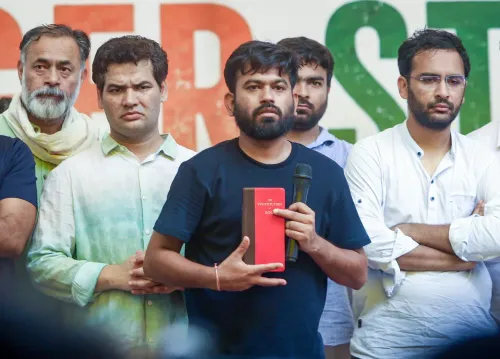
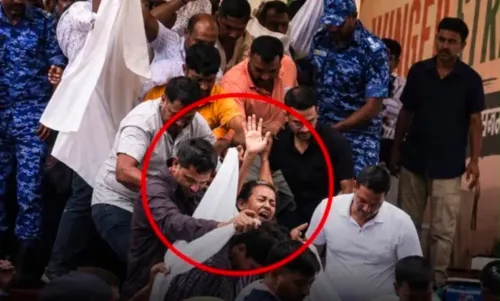
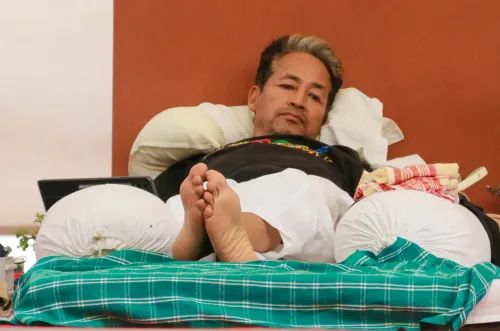
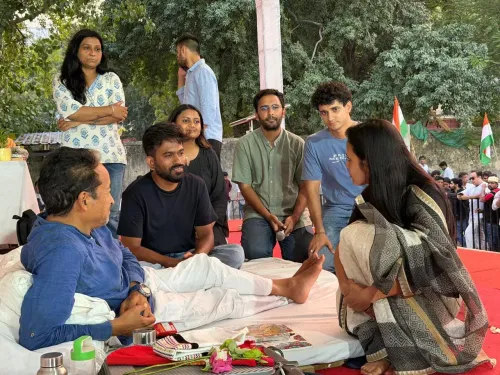
TMC MP Mahua Moitra on Saturday, 18 July 2026 accused Delhi Police of what she termed a 'kidnap' of Ladakhi activist Sonam Wangchuk, alleging the central government ordered the detention to prevent a planned march scheduled for 20 July. Moitra posted the charge on X, calling the move politically motivated and directed at silencing protest.
Context
Moitra's post states directly: 'This is a Delhi Police kidnap of Wangchuk. Anyone who can't see this is either blind or a Sanghi. Govt terrified of July 20th march and needed to stop it at all costs.' The language is unambiguous — she frames the detention not as a law-and-order measure but as a political suppression of dissent. Sonam Wangchuk is a prominent Ladakhi engineer and environmental activist best known internationally for his ice-stupa innovation and, domestically, for sustained advocacy demanding constitutional protections for Ladakh.
Delhi Police functions under the authority of the central government, a structural fact that opposition parties have long cited when alleging partisan use of the force against protest movements. NationPress could not independently verify the specific circumstances of any detention of Wangchuk as of the time of this report.
Policy Backdrop
The grievances underlying Wangchuk's activism trace directly to August 2019, when the abrogation of Article 370 bifurcated Jammu and Kashmir and converted Ladakh into a Union Territory without a legislature. That structural change stripped the region of elected representation and control over land and resources, triggering a sustained movement demanding either statehood or inclusion under the Sixth Schedule of the Constitution, which grants tribal areas a degree of autonomous governance.
Wangchuk has been a leading public face of this movement, organising fasts, climate marches, and public campaigns to draw national attention to Ladakh's demands. Regional activists from newly created Union Territories have repeatedly organised marches to Delhi to highlight these grievances — a pattern that has placed them in recurring friction with central authorities over protest permissions and security deployments.
Stakeholders and Impact
For Ladakhi activists, any detention of Wangchuk ahead of a planned march represents a direct blow to their mobilisation effort. The 20 July march, as referenced in Moitra's post, appears to have been a focal point for channelling long-pending demands around autonomy, environmental safeguards, and constitutional status into visible street pressure in the capital.
For the opposition, the episode provides a fresh line of attack against the government's handling of dissent. Moitra, known for sharp parliamentary interventions, has consistently framed central government actions toward protest movements as authoritarian overreach. Her post is likely to amplify the issue across opposition ranks and draw attention to the Ladakh question ahead of any parliamentary session.
Delhi Police had not issued a public statement on the matter at the time of publication. The government's position on the planned march and on Wangchuk's status remained unconfirmed through official channels.
What's Next
All eyes will be on whether the 20 July march proceeds, is rerouted, or is called off in the wake of the reported detention. Wangchuk's supporters and allied opposition MPs are expected to demand immediate information on his whereabouts and legal status. Parliamentary questions and possible adjournment motions on Ladakh's constitutional demands could follow if the legislature is in session.
More broadly, the episode sharpens the political spotlight on a question that has remained unresolved since 2019: what constitutional and democratic guarantees will Ladakh's residents receive? Until the central government provides a concrete answer, confrontations between Ladakhi activists and Delhi's security apparatus are likely to recur.
Point of View
Just two days before the planned march, makes the political optics particularly sharp. For the Ladakh movement, the episode is a double-edged moment: it risks disrupting mobilisation while simultaneously drawing national attention that the march itself might not have generated. The broader arc here is the Centre's unresolved obligation to Ladakh's residents — a constituency that voted for reorganisation in 2019 but was not promised the democratic deficit that followed.
NationPress
18 Jul 2026
Frequently Asked Questions
Why did Mahua Moitra call Sonam Wangchuk's detention a kidnap?
Moitra used the word 'kidnap' to argue that the detention was not a legitimate law-and-order action but a politically motivated move by the central government to prevent Wangchuk from leading a march planned for 20 July 2026 in Delhi.
Who is Sonam Wangchuk and why was he planning a march?
Sonam Wangchuk is a Ladakhi engineer and activist known for the ice-stupa water-conservation innovation. He has been campaigning for Ladakh's inclusion under the Sixth Schedule of the Constitution and for statehood, demands that arose after Ladakh became a legislature-less Union Territory in 2019.
What is the July 20 march that Mahua Moitra mentioned?
The 20 July march refers to a planned demonstration in Delhi by Ladakhi activists, including Wangchuk's supporters, aimed at pressing the central government on long-pending demands for constitutional autonomy and environmental protections for Ladakh.
Does Delhi Police report to the central government?
Yes. Unlike most state police forces, Delhi Police functions under the Union Home Ministry, not the Delhi state government. Opposition parties frequently cite this when alleging that the force is used to manage protests against the ruling party at the Centre.
What are Ladakh's constitutional demands since 2019?
Since the abrogation of Article 370 in August 2019 converted Ladakh into a Union Territory without a legislature, activists have demanded inclusion under the Sixth Schedule — which grants tribal areas autonomous governance councils — and full statehood to restore elected representation.