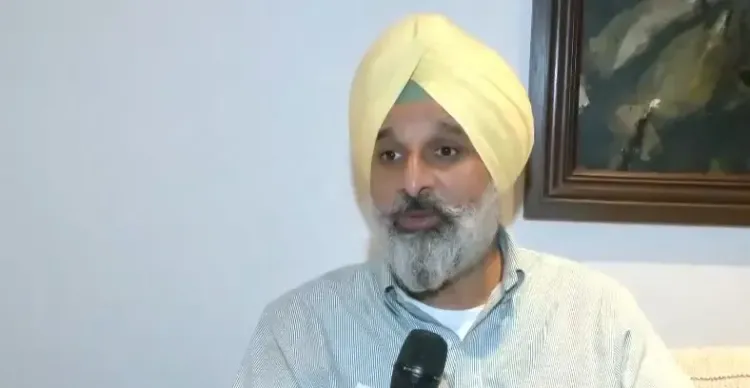
Majithia blames Punjab govt, police for activist Parvinder Jhota's killing
Synopsis
SAD leader Bikram Singh Majithia has turned the murder of anti-drug activist Parvinder Singh Jhota into a full-blown political assault on the AAP government in Punjab — zeroing in on a damning detail: the accused's weapon licence was cancelled four times yet renewed. His allegations extend to gangster-linked appointments in local bodies and police complicity in illegal mining, putting Chief Minister Bhagwant Mann under intense pressure.
Key Takeaways
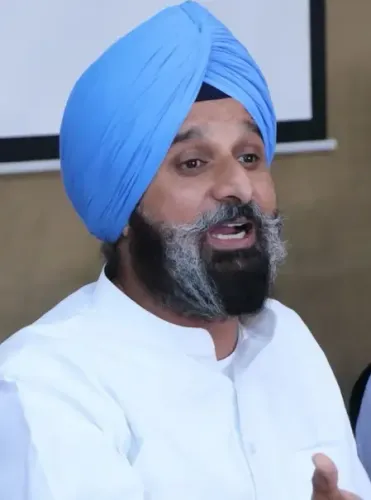
Bikram Singh Majithia of the Shiromani Akali Dal (SAD) blamed the Punjab government and police for the murder of anti-drug activist Parvinder Singh Jhota on 15 October .
Majithia alleged the accused's weapon licence had been cancelled four times before being renewed, calling it a systemic failure.
He directly targeted Chief Minister Bhagwant Mann , citing a CBI enquiry into cash-for-transfer allegations and the government's inability to control drugs and law and order.
AAP was accused of awarding local body posts to family members of wanted gangster Jaggu Bhagwanpuria from Gurdaspur .
Majithia alleged illegal mining in Punjab involves a money trail reaching Senior Superintendents of Police and Deputy Commissioners .
Jhota's killing was described as a tipping point in Punjab's long-running drug crisis.
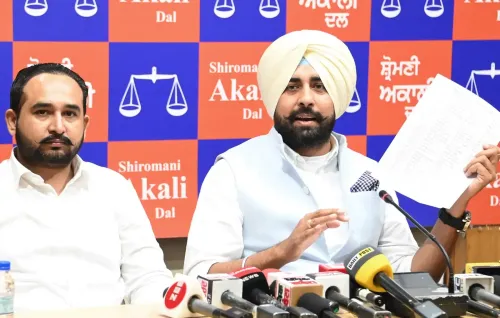
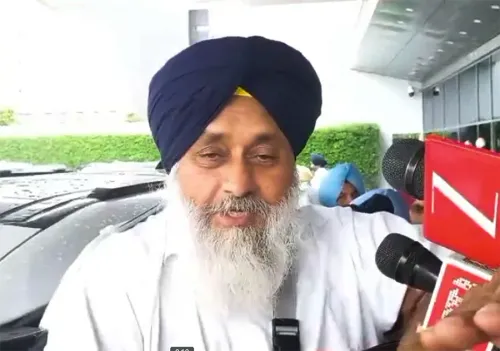
Shiromani Akali Dal (SAD) senior leader Bikram Singh Majithia on Thursday, 15 October squarely blamed the Punjab government and state police for the murder of anti-drug activist Parvinder Singh Jhota, who was shot dead by a medical store owner. Majithia called the killing a systemic failure and raised sharp questions over how the accused managed to hold a valid weapon licence despite a troubled record.
The Weapon Licence Question
At the heart of Majithia's attack is a pointed query about administrative accountability. 'The accused had his licence cancelled four times, and cases were registered against him on four occasions. How was he granted a licence again?' he said. Majithia argued that had the licence not been renewed, the conditions that led to Jhota's killing might never have materialised. The accused had allegedly been repeatedly flagged for drug-related activity, with Jhota himself reportedly one of the loudest voices highlighting the issue.
Direct Charge Against Chief Minister Bhagwant Mann
Majithia trained his fire on Chief Minister Bhagwant Mann and the Aam Aadmi Party (AAP) government, dismissing the administration's claims of clean governance. 'You keep putting up posters calling him an honest Chief Minister. You should be ashamed. You cannot control drugs or law and order, and a CBI enquiry into cash-for-transfer allegations is underway,' he said. He questioned what the government's Officers on Special Duty (OSDs) were doing and alleged they may have been facilitating criminal elements rather than checking them.
Allegations Over OSD Appointments and Gangster Links
Going beyond the immediate incident, Majithia alleged that AAP had awarded chairperson posts in Zila Parishads and Block Samitis to family members of Jaggu Bhagwanpuria, a wanted gangster from the Gurdaspur area. He also cited the case of Rajbir Ghuman and his OSDs, alleging that postings and appointments were driven by money paid for access to illegal activities, including mining. 'Which police officer will be posted to facilitate illegal mining? Which officer will be posted to go soft on the drug issue? This happens because money has been paid,' he said.
Illegal Mining and Police Complicity
Majithia further alleged that illegal sand mining in Punjab could not sustain itself without active connivance from law enforcement. He claimed that the money trail reached Senior Superintendents of Police and Deputy Commissioners, and questioned why no action had been taken despite repeated reports and documented clearances. The allegation, if substantiated, would implicate multiple layers of the state administration.
A Tipping Point in Punjab's Drug Crisis
Majithia described Jhota's death as a watershed moment in Punjab's long-running battle against drugs. 'This has become a tipping point and a spark that has ignited the issue. The problem is not new; it has been occurring every day, and people are suffering because of it. However, Jhota has amplified their voices and brought everyone together,' he said. The killing has drawn widespread attention to the vulnerability of anti-drug activists operating without adequate state protection. How the Punjab government responds to these mounting allegations will likely shape the political narrative around law and order heading into the next electoral cycle.
Point of View
But the procedural question he raises — who authorised the licence renewal and why — deserves an independent answer, not a partisan one. Punjab's drug problem has long outlived multiple governments, but the specific allegation of OSD-linked corruption and gangster-affiliated local body appointments, if proven, would represent a qualitative deterioration. The AAP government's credibility on anti-corruption, its core brand promise, is what is really on trial here.
NationPress
15 Oct 2026
Frequently Asked Questions
Who was Parvinder Singh Jhota and why was he killed?
Parvinder Singh Jhota was an anti-drug activist in Punjab who was shot dead by a medical store owner. According to SAD leader Bikram Singh Majithia, Jhota had been consistently exposing the accused's alleged drug-related activities, which reportedly made him a target.
What is Bikram Singh Majithia's central allegation against the Punjab government?
Majithia alleges that the accused in Jhota's murder had his weapon licence cancelled four times and faced cases on four occasions, yet the licence was renewed — pointing to a failure of the Punjab government and police. He argues that had the licence not been renewed, the killing might never have occurred.
What did Majithia say about Chief Minister Bhagwant Mann?
Majithia said the Mann-led AAP government had failed to control drugs and law and order, and noted that a CBI enquiry into cash-for-transfer allegations was already underway. He questioned what the government's Officers on Special Duty were doing and alleged they may have been facilitating criminal and corrupt networks.
What are the allegations linking AAP to gangster Jaggu Bhagwanpuria?
Majithia alleged that the AAP government gave chairperson posts in Zila Parishads and Block Samitis to family members of Jaggu Bhagwanpuria, a wanted gangster from the Gurdaspur area. The allegation, if proven, would indicate political patronage for individuals connected to organised crime.
What broader issues did Majithia raise beyond the Jhota killing?
Majithia alleged that illegal sand mining in Punjab continues with active police complicity, with a money trail allegedly reaching Senior Superintendents of Police and Deputy Commissioners. He also questioned the role of OSD Rajbir Ghuman, claiming that police postings were linked to payments for facilitating illegal activities.