Mamata slams Delhi Police over flag-bearer's detention
Synopsis
West Bengal CM Mamata Banerjee condemned the detention of youth activist Abhijeet Dipke — arrested for holding the Indian flag — calling it an undeclared Emergency and vowing that the fight for democratic dissent would continue.
Key Takeaways
Abhijeet Dipke was reportedly detained by Delhi Police for peacefully carrying the Indian National Flag.
Mamata Banerjee named three detained youth — Abhijeet Dipke , Ashutosh , and Saurav — in her post on 16 October 2026 .
Banerjee invoked the 1975 Emergency , calling the detentions an 'undeclared Emergency' and the conduct of a 'fascist regime.' Delhi Police operates under the Union Ministry of Home Affairs , placing administrative responsibility squarely with the central government.
The post ends with a direct public call — 'WAKE UP, INDIA!' — signalling an attempt to widen the political mobilisation beyond the three named individuals.
The development fits TMC's long-standing pattern of challenging the BJP-led Centre on federalism and civil liberties.
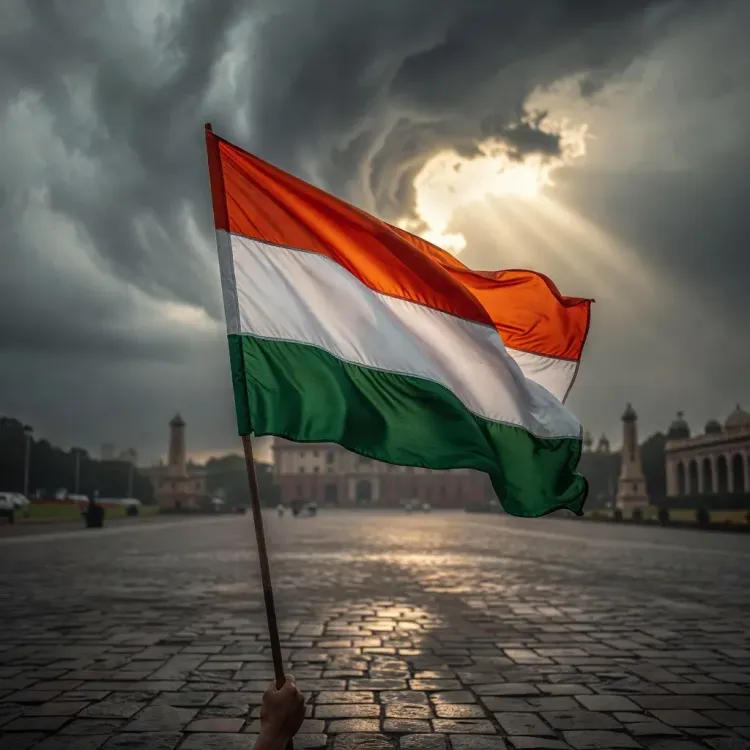
A young man holding the Indian National Flag was detained by Delhi Police — and West Bengal Chief Minister Mamata Banerjee is now calling it an undeclared Emergency. In a sharp post on X on Friday, 16 October 2026, the Trinamool Congress chief named three detained youth — Abhijeet Dipke, Ashutosh, and Saurav — and framed their arrest as a direct assault on India's democratic conscience.
A flag, a detention, and a flashpoint
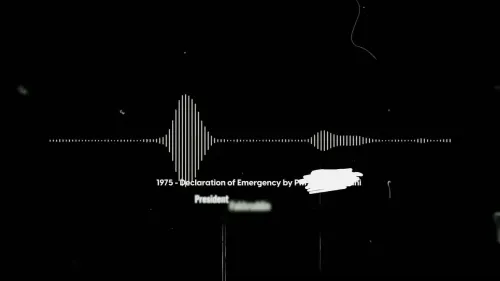
The immediate trigger was the reported detention of Abhijeet Dipke, whom Banerjee says was taken in for peacefully carrying the national tricolour. 'Let that sink in,' she wrote, before invoking some of the most charged language in Indian political memory: an 'undeclared Emergency' and a 'fascist regime.' The 1975 national Emergency — when civil liberties were suspended by the central government — remains the sharpest reference point available to any Indian opposition leader arguing democratic backsliding, and Banerjee reached for it without hesitation.
Delhi Police functions directly under the Union Ministry of Home Affairs, which gives the central government full administrative control over the capital's policing — a structural fact that opposition parties have long cited when challenging actions taken against protesters in Delhi.
Didi's message to the detained youth
Banerjee's tone shifted from outrage to solidarity mid-post. Addressing Abhijeet, Ashutosh, and Saurav by name, she wrote: 'You represent the courage, conscience and aspirations of India's youth.' The sign-off — 'Your Didi stands firmly with you' — was personal and deliberate, casting herself as a protective elder figure against state power. It is a register she has deployed consistently, particularly when speaking to younger political activists.
She closed with a direct call to action: 'WAKE UP, INDIA! The fight for democracy, freedom and the right to dissent will continue.' The all-caps appeal was unmistakably aimed at a broader audience beyond the three named individuals.
TMC's long-running battle with the Centre over civil liberties
This post fits a well-established pattern. Mamata Banerjee and the All India Trinamool Congress have repeatedly framed central agency actions in Delhi as attempts to intimidate the opposition and suppress democratic participation. From debates over federalism to contestations around central investigative agencies, the TMC has consistently positioned itself as the sharpest institutional challenger to the BJP-led government on questions of civil liberties and state power.
What makes this instance notable is the specific image: a tricolour — not a party flag, not a placard — as the object of alleged state hostility. That framing is politically potent, and almost impossible to counter without appearing to defend the indefensible.
What happens next
Pressure will now build on the Ministry of Home Affairs to respond publicly to the detention claims. Any court proceedings initiated by or on behalf of the detained individuals will be closely watched, as will statements from other opposition parties — whose silence or solidarity will itself be read as a political signal. Whether this moment sustains momentum or fades into the cycle of competing news will depend on how quickly the facts are formally contested or confirmed.
A government that detains a man for holding a flag has handed its opponents a symbol. Symbols, in Indian politics, rarely stay contained.
Point of View
She raises the political cost of defending the detention to near-prohibitive levels. The Emergency invocation is not accidental — it is the single most resonant shorthand for state authoritarianism in the Indian political lexicon, and deploying it ties a local policing incident to a decades-long civilisational anxiety about democratic backsliding. For TMC, this also serves an internal purpose: it reinforces the party's identity as the primary institutional bulwark against BJP dominance at a moment when that positioning must be constantly refreshed. Whether the facts of the detention ultimately support the scale of the language used will determine whether this moment sticks or backfires.
NationPress
16 Oct 2026
Frequently Asked Questions
Why was Abhijeet Dipke detained by Delhi Police?
According to West Bengal CM Mamata Banerjee's post, Abhijeet Dipke was detained for peacefully holding the Indian National Flag. The specific legal grounds cited by Delhi Police have not been officially confirmed.
What did Mamata Banerjee say about the detention?
Mamata Banerjee called the detention an 'undeclared Emergency' and the conduct of a 'fascist regime,' naming three detained youth and declaring that 'Your Didi stands firmly with you.'
Who controls Delhi Police?
Delhi Police functions under the Union Ministry of Home Affairs , meaning the central government — not the Delhi state government — holds administrative authority over it.
Why does Mamata Banerjee refer to the 1975 Emergency?
The 1975 national Emergency , when civil liberties were suspended across India, is the most powerful reference point in Indian political discourse for state suppression of dissent. Opposition leaders invoke it to draw a parallel with perceived authoritarian behaviour by the current central government.
What is the Trinamool Congress's position on central government actions in Delhi?
The All India Trinamool Congress under Mamata Banerjee has consistently challenged the BJP-led central government on issues of federalism and civil liberties, frequently framing central agency actions in Delhi as attempts to suppress democratic opposition.