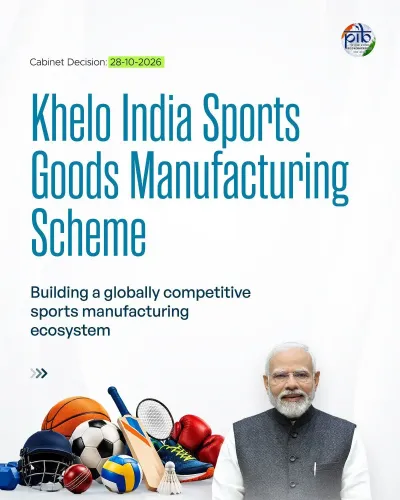
Mandaviya: Cabinet clears ₹1,856 cr Khelo India Sports Goods Scheme
Synopsis
The Union Cabinet has approved the Khelo India Sports Goods Manufacturing Scheme with an outlay of ₹1,856.67 crore, aiming to make India a global producer of sports equipment, generate youth employment, and advance the Aatmanirbhar Bharat and Viksit Bharat visions.
Key Takeaways
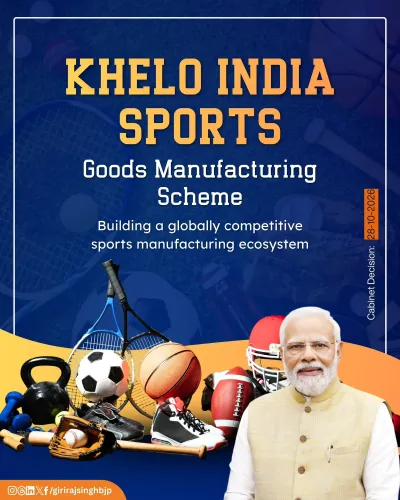
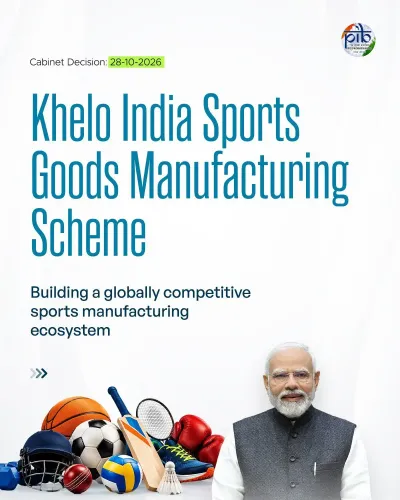
The Union Cabinet approved the 'Khelo India Sports Goods Manufacturing Scheme' on 28 October 2026 .
The scheme carries a total outlay of ₹1,856.67 crore .
It fulfils a commitment made in Union Budget 2026-27 , as stated by Minister Mandaviya.
The scheme targets youth employment, fresh industry investment, and boosting domestic sports-equipment production under the Aatmanirbhar Bharat framework.
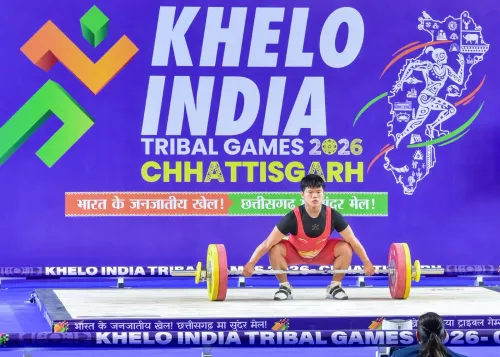
It extends the original Khelo India programme — launched in Budget 2017-18 — into the manufacturing and supply-chain domain.
Key metrics to watch include investment commitments from industry, job creation figures, and Indian goods entering international sporting procurement chains.
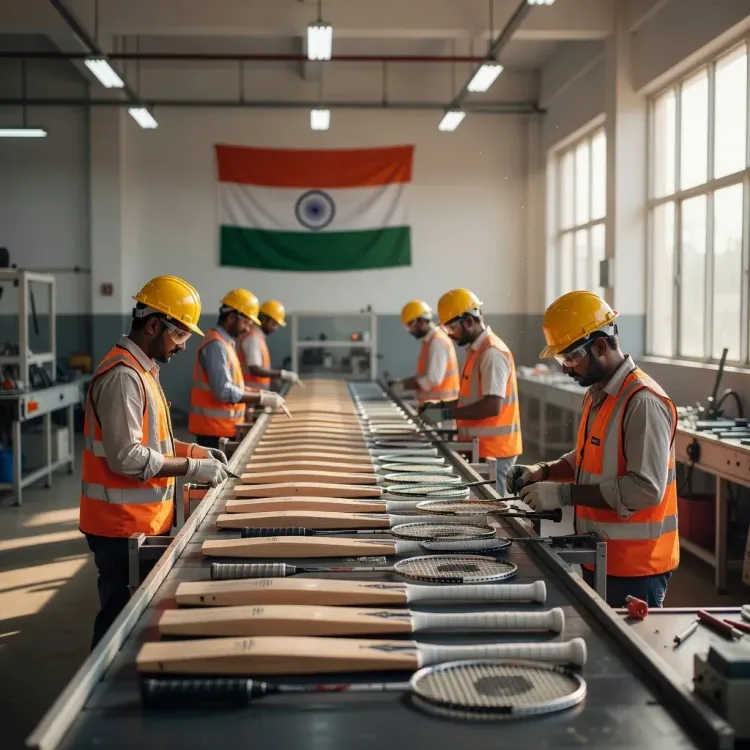
India just placed a ₹1,856.67 crore bet on becoming the world's next great sports-equipment maker. Union Minister of Labour, Employment, Youth Affairs and Sports Mansukh Mandaviya announced on Wednesday, 28 October 2026 that the Union Cabinet, led by Prime Minister Narendra Modi, has approved the 'Khelo India Sports Goods Manufacturing Scheme' — a dedicated fund to transform India from a bulk importer of sports gear into a global producer.
What the ₹1,856.67 crore scheme actually does
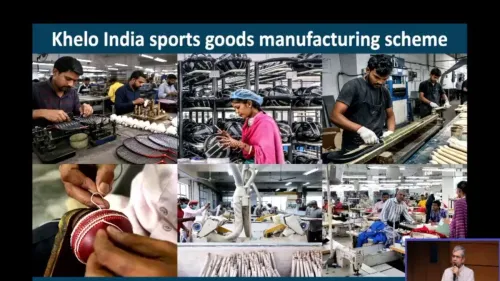
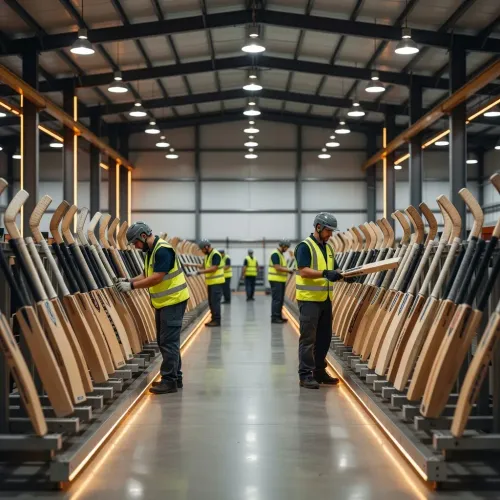
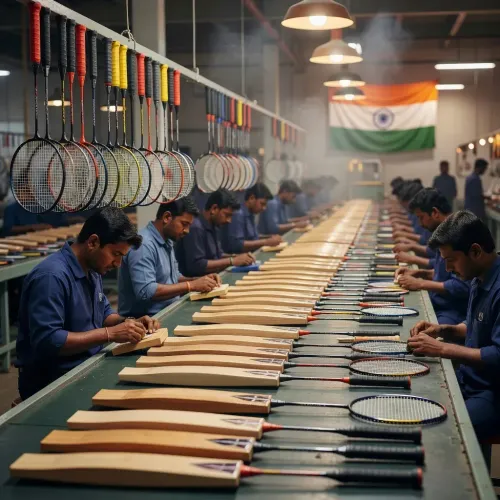
The scheme is the manufacturing complement to an existing sports ecosystem. Where the original Khelo India programme — launched through Union Budget 2017-18 — focused on grassroots participation, talent identification, and infrastructure, this new arm targets the supply chain itself: factories, jobs, and export-ready goods carrying the 'Made in India' label. Mandaviya framed the approval as Budget 2026-27's sports-manufacturing promise now 'becoming a reality on the ground.'
The minister's post put the ambition plainly: 'Not only Indian athletes, but sports equipment made in India will also elevate the pride of the tricolour across the world.' The dual emphasis — athletic performance and industrial output — is deliberate, connecting two policy pipelines that have run separately until now.
The Aatmanirbhar thread running through the decision
The Cabinet approval is the latest chapter in Aatmanirbhar Bharat Abhiyan, the self-reliance campaign unveiled in May 2020 that sought to pull India up the manufacturing value chain and cut import dependence across sectors. Sports goods — long dominated by imports and a handful of clusters like Jalandhar, Punjab — have remained a gap in that ambition. The new scheme targets that gap directly, promising fresh investment flows and employment opportunities for what Mandaviya called India's 'Yuva Shakti' — youth power.
The move also feeds into the Viksit Bharat vision: a developed India by 2047, where economic self-sufficiency and global competitiveness reinforce each other. A domestically manufactured cricket bat or shuttle-cock reaching a Tokyo sports shop carries a symbolic weight that pure GDP numbers do not.
Jobs, investment, and what comes next
The three levers the minister highlighted — employment generation, large-scale investment, and Aatmanirbhar Bharat — suggest the scheme will likely combine production-linked incentives, cluster development, and skilling support for workers entering sports-goods manufacturing. The numbers that will matter most once rollout begins: how quickly industry commits capital, how many jobs are created, and whether Indian-manufactured goods break into international procurement pipelines for major sporting events.
India's sports calendar is also expanding, with the country bidding for and hosting marquee international tournaments — a ready-made proof-of-concept demand base for homegrown equipment.
If the factories follow the funding, the next medal podium India climbs may be labelled not just by the athlete standing on it — but by the equipment that got them there.
Point of View
The scheme ties employment generation for youth to a sector that carries both soft-power and export potential. The ₹1,856.67 crore outlay signals that sports manufacturing is now a formal pillar of industrial policy, not a footnote to it. Whether legacy production clusters like Jalandhar can scale to meet international demand — and whether new clusters emerge — will determine if this cabinet decision becomes a structural shift or a well-funded intent.
NationPress
28 Oct 2026
Frequently Asked Questions
What is the Khelo India Sports Goods Manufacturing Scheme?
It is a Union Cabinet-approved scheme with a ₹1,856.67 crore outlay designed to boost domestic manufacturing of sports equipment in India, create youth employment, and attract investment into the sports goods sector under the Aatmanirbhar Bharat vision.
How much money has been allocated to the Khelo India Sports Goods Manufacturing Scheme?
The Union Cabinet approved an outlay of ₹1,856.67 crore for the scheme, as announced by Minister Mansukh Mandaviya on 28 October 2026.
What is the difference between Khelo India and the new sports goods manufacturing scheme?
The original Khelo India programme, launched in Budget 2017-18, focuses on grassroots sports participation and talent development. The new scheme specifically targets the manufacturing supply chain — factories, investment, and production of sports equipment in India.
Who announced the Khelo India Sports Goods Manufacturing Scheme?
Union Minister of Labour, Employment, Youth Affairs and Sports Mansukh Mandaviya announced the Cabinet approval on 28 October 2026, crediting the initiative to PM Narendra Modi's leadership.
How does the sports goods scheme relate to Aatmanirbhar Bharat?
The scheme is explicitly positioned as part of the Aatmanirbhar Bharat Abhiyan — the self-reliance campaign launched in May 2020 — aiming to reduce import dependence by making India a domestic and global producer of sports equipment.