Mandaviya Holds Bilateral Sports Talks with Maldives, Uganda at Glasgow
Synopsis
Union Sports Minister Mansukh Mandaviya held bilateral meetings with Maldives and Uganda counterparts at the Commonwealth Sports Ministers Meeting in Glasgow on 23 July 2026, focusing on South-South sports cooperation, athlete development, and sports science exchanges.
Key Takeaways
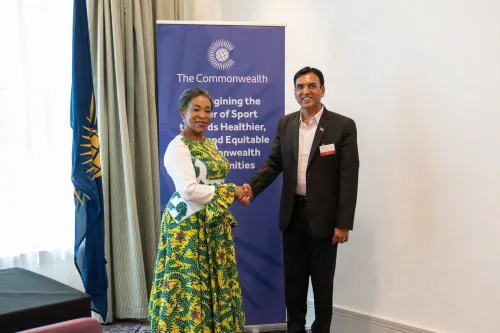
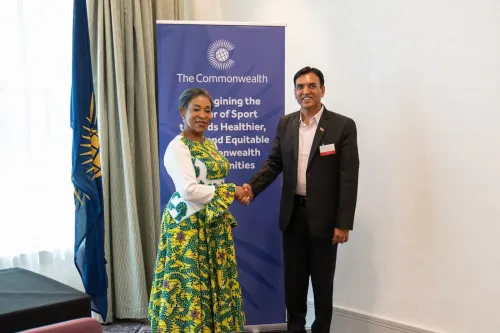
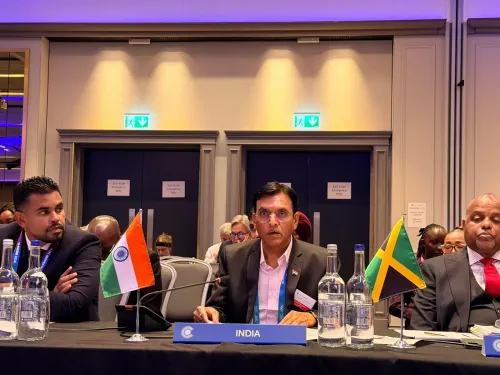
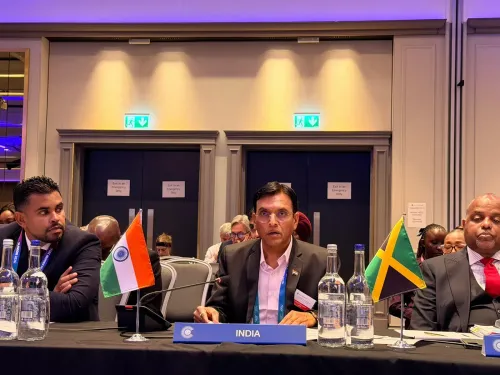
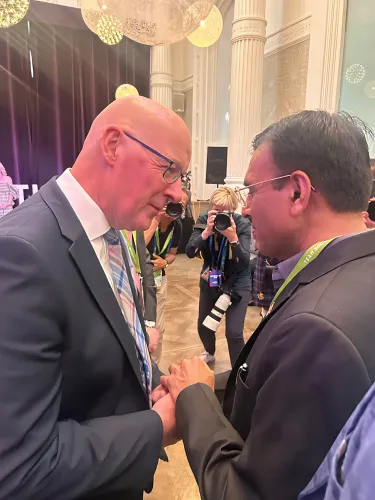
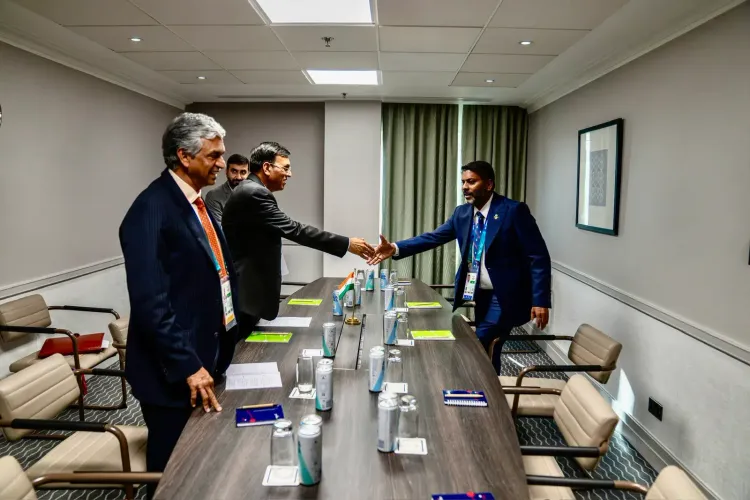
Mansukh Mandaviya met his counterparts from the Maldives and Uganda on the sidelines of the Commonwealth Sports Ministers Meeting in Glasgow on 23 July 2026 .
Discussions focused on South-South cooperation in sports science, coach and athlete development, physical education, and youth exchanges.
India highlighted its Khelo India -backed sports infrastructure and high-performance training ecosystem as key assets for bilateral cooperation.
Both bilateral engagements explored how to leverage each country's strengths rather than requiring formal treaty-level commitments immediately.
Potential follow-up outcomes include memoranda of understanding, joint training calendars, and coach-exchange programmes between India and the two nations.
Union Labour and Sports Minister Mansukh Mandaviya held bilateral meetings with his counterparts from the Maldives and Uganda on the sidelines of the Commonwealth Sports Ministers Meeting in Glasgow on Wednesday, 23 July 2026, focusing on deepening South-South cooperation in sports, athlete development, and sports science.
Context
Mandaviya, who holds the dual portfolio of Union Minister of Labour and Employment and Youth Affairs and Sports, used the margins of the Commonwealth ministerial gathering in Glasgow to hold targeted bilateral engagements. He described the meetings as 'productive' and said discussions centred on 'strengthening South-South cooperation in sports.' The Commonwealth Sports Ministers Meeting brings together sports ministers from the 56-member Commonwealth, providing a platform for both multilateral dialogue and bilateral outreach.
In his post, Mandaviya highlighted India's 'world-class sports infrastructure, growing expertise in sports science, athlete development, and high-performance training ecosystem' as key assets India is prepared to share with partner nations.
Policy Backdrop
India's engagement with smaller Commonwealth nations on sports has grown steadily as part of a broader soft-power strategy rooted in its Global South partnerships. The Khelo India programme, launched in 2017, has built high-performance centres and athlete development pathways across India, giving the country a credible infrastructure base to showcase to foreign counterparts.
The India-Africa Forum Summit process, active since 2008, has included sports-cooperation pledges and training offers to African Commonwealth members, making Uganda a natural partner in this architecture. India's engagement with the Maldives spans security, development, and youth sectors, and sports collaboration fits within that longstanding bilateral framework. These bilateral meetings on the sidelines of multilateral forums allow India to make targeted offers of coaching access, sports science expertise, and infrastructure without requiring formal treaty-level negotiations upfront.
Stakeholders and Impact
The discussions covered 'sports science, coach and athlete development, physical education, and youth exchanges,' according to Mandaviya's post, with both sides exploring how to 'leverage each other's strengths.' For smaller nations like the Maldives and Uganda, access to India's high-performance training facilities and sports science ecosystem could meaningfully strengthen their national athlete pipelines.
Youth exchange programmes, if formalised, would also benefit young athletes and sports administrators in all three countries. India, for its part, gains diplomatic goodwill and reinforces its positioning as a development partner and sports-cooperation hub within the Commonwealth and the broader Global South.
What's Next
The immediate follow-up to watch is whether these bilateral conversations result in formal memoranda of understanding, joint training calendars, or coach-exchange agreements between India and the two nations. Mandaviya's ministry is expected to translate the Glasgow discussions into actionable cooperation frameworks in the weeks ahead. India's participation in upcoming Commonwealth Sports Ministers or Heads of Government meetings will also be a further signal of how central sports diplomacy has become to New Delhi's multilateral engagement strategy.
Point of View
Using a multilateral gathering to advance targeted bilateral agendas with the Global South. By leading with India's Khelo India infrastructure and sports science credentials, New Delhi is positioning itself not merely as a participant in Commonwealth sports governance but as a capacity-building partner for smaller member states. This mirrors the pattern India has used in health, digital, and education cooperation — offering expertise-led partnerships rather than aid-dependent relationships. If the Glasgow conversations yield formal agreements, they will add a sports dimension to India's already active development-partnership architecture with both the Maldives and Uganda.
NationPress
23 Jul 2026
Frequently Asked Questions
What did Mansukh Mandaviya discuss at the Commonwealth Sports Ministers Meeting in Glasgow?
Mandaviya held bilateral meetings with his counterparts from the Maldives and Uganda, focusing on South-South cooperation in sports science, coach and athlete development, physical education, and youth exchanges.
Where was the Commonwealth Sports Ministers Meeting held in 2026?
The Commonwealth Sports Ministers Meeting was held in Glasgow, Scotland, where Mandaviya conducted his bilateral engagements on 23 July 2026.
What is India's Khelo India programme and why is it relevant here?
Khelo India is a flagship programme launched in 2017 to build world-class sports infrastructure and high-performance athlete pathways across India; Mandaviya cited this ecosystem as a key asset India can share with partner nations.
Why did India hold bilateral sports talks with the Maldives and Uganda?
Both countries are Commonwealth members with existing bilateral ties to India; the meetings allowed targeted discussions on sports cooperation without requiring formal treaty negotiations upfront.
What could be the next steps after Mandaviya's Glasgow bilateral meetings?
Potential follow-up steps include memoranda of understanding, joint training calendars, and coach-exchange agreements between India and the Maldives and Uganda.