Trump Links US-Saudi Civil Nuclear Deal to Abraham Accords
Synopsis
President Trump has conditionally approved a US-Saudi civil nuclear deal via the Department of Energy, making it contingent on Saudi Arabia joining the Abraham Accords and accepting a strict ban on uranium enrichment, mirroring terms set for the UAE.
Key Takeaways
President Trump announced the US-Saudi civil nuclear deal 'will be approved' but is 'totally subject to Saudi Arabia joining the Abraham Accords.' The deal explicitly bans uranium enrichment, with Trump stating 'There will be no enrichment of material.' The arrangement is modelled on existing civil nuclear frameworks with the UAE and Iran , covering only non-military use.
The US-UAE 123 Agreement (in force since 2009 ) is the precedent: it enabled the Barakah nuclear plants while barring domestic enrichment.
Any finalised deal would require a 90-day Congressional review under the US Atomic Energy Act.
The move is a significant diplomatic lever aimed at expanding the Abraham Accords to include Saudi Arabia , the Arab world's largest economy.
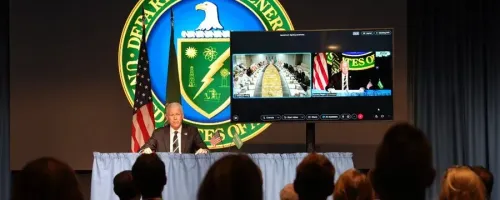
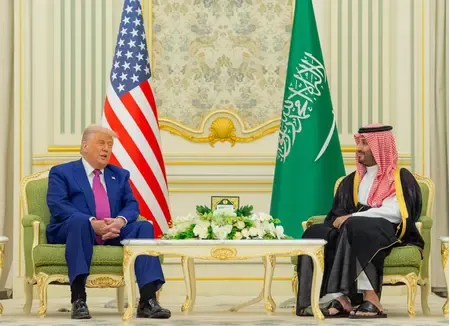
Washington DC, 23 July 2026 — The White House announced on Thursday that President Donald J. Trump has conditionally approved a civil nuclear cooperation deal between the United States Department of Energy and Saudi Arabia, explicitly tying its finalisation to Riyadh joining the Abraham Accords.
Context
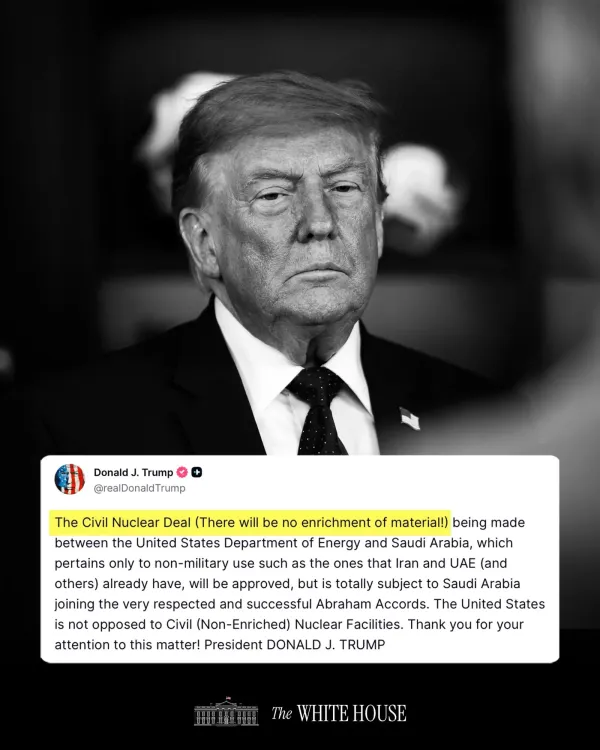
In a statement attributed directly to President Trump and posted by the White House, the administration declared the deal 'will be approved, but is totally subject to Saudi Arabia joining the very respected and successful Abraham Accords.' The arrangement is described as pertaining 'only to non-military use' and includes a critical non-proliferation clause: 'There will be no enrichment of material.'
Trump drew explicit comparisons to existing civil nuclear frameworks with Iran and the United Arab Emirates, citing them as precedents for the kind of arrangement now being proposed for Saudi Arabia.
Policy Backdrop
The Abraham Accords, signed in September 2020 under US auspices during Trump's first term, established normalisation frameworks between Israel and several Arab states including the UAE and Bahrain. Saudi Arabia notably did not sign at the time, and bringing Riyadh into the fold has remained a central objective of US Middle East diplomacy.
The US-UAE 123 Agreement, which entered into force in 2009, is the model being referenced: it enabled civil nuclear cooperation — including the Barakah nuclear power plants — while explicitly barring domestic uranium enrichment on Emirati soil. Trump's statement signals Washington intends to apply the same 'gold standard' non-proliferation conditions to any Saudi deal.
The United States Department of Energy leads the negotiation of such 'Section 123 agreements' under the US Atomic Energy Act, which require Congressional review before taking effect. Any finalised US-Saudi nuclear accord would face scrutiny on Capitol Hill over both non-proliferation safeguards and regional security implications.
Stakeholders and Impact
Saudi Arabia has long sought civil nuclear capability as part of its Vision 2030 economic diversification agenda, viewing nuclear energy as a means to free up oil and gas for export. However, Riyadh has historically resisted committing to a no-enrichment clause, citing its sovereign right to the full nuclear fuel cycle — a position that has complicated earlier negotiations.
Israeli officials and pro-Israel groups in the US Congress have closely watched Saudi-American nuclear talks, wary of any deal that could advance Riyadh's nuclear capabilities without a corresponding diplomatic breakthrough toward Israel. Trump's explicit linkage to the Accords directly addresses that concern, making normalisation with Israel a precondition rather than a parallel track.
The reference to Iran in Trump's statement is pointed: Tehran's enrichment programme has been the central proliferation concern in the region, and Washington is signalling that a Saudi deal structured on UAE-style terms would not replicate Iranian ambiguity.
What's Next
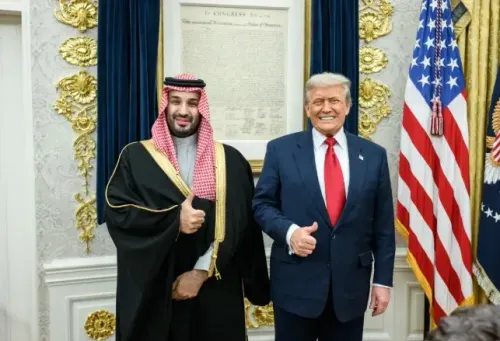
The immediate diplomatic question is whether Saudi Arabia will accept both the no-enrichment condition and the Abraham Accords requirement as a package. Crown Prince Mohammed bin Salman has previously indicated openness to eventual normalisation with Israel, but has set conditions including progress on Palestinian statehood.
Should Riyadh signal acceptance, any resulting 123 agreement would require a mandatory 90-day Congressional review period, during which lawmakers could raise objections. The outcome could reshape the diplomatic architecture of the Middle East, expanding the Abraham Accords to the Arab world's largest economy while setting a non-proliferation benchmark that proponents argue could also apply pressure on Iran.
Point of View
Not a one-off bargain. The no-enrichment clause is designed to pre-empt Congressional opposition and draw a sharp contrast with Iran's programme. Whether Saudi Arabia accepts the package deal, given its stated conditions on Palestinian statehood, will be the defining test of whether the Accords can achieve their most consequential expansion yet.
NationPress
23 Jul 2026
Frequently Asked Questions
What is the US-Saudi civil nuclear deal Trump announced?
It is a civil nuclear cooperation agreement between the US Department of Energy and Saudi Arabia covering only non-military uses of nuclear energy, with a strict ban on uranium enrichment on Saudi soil. President Trump said it will be approved provided Saudi Arabia joins the Abraham Accords.
What are the Abraham Accords and why is Saudi Arabia not in them?
The Abraham Accords are a set of normalisation agreements signed in September 2020 between Israel and Arab states including the UAE and Bahrain . Saudi Arabia did not sign at the time, partly because it has sought progress on Palestinian statehood as a precondition for any normalisation with Israel.
Will Saudi Arabia be allowed to enrich uranium under this deal?
No. President Trump explicitly stated 'There will be no enrichment of material,' mirroring the terms of the US-UAE 123 Agreement under which the UAE operates its Barakah nuclear plants without domestic enrichment.
What is a Section 123 agreement in US nuclear policy?
A Section 123 agreement is a civil nuclear cooperation accord required under the US Atomic Energy Act before the United States can share nuclear technology with another country. It must undergo a mandatory 90-day Congressional review and typically includes non-proliferation safeguards.
How does this deal relate to Iran's nuclear programme?
Trump cited Iran as an existing example of a country with a civil nuclear programme, but the comparison is strategic: by insisting on a no-enrichment clause for Saudi Arabia, Washington is drawing a direct contrast with Tehran's enrichment activities, which have been the central proliferation concern in the region.