Mandaviya Highlights India's Startup Surge Under PM Modi
Synopsis
Union Minister Mansukh Mandaviya quoted PM Modi's claim that India's registered startups have grown from roughly 500 to over 2 lakh, tying the milestone to the PM Viksit Bharat Rozgar Yojana's employment push.
Key Takeaways
Union Minister Mansukh Mandaviya shared a quote from PM Narendra Modi on June 19, 2026 citing India's startup expansion.
PM Modi's quoted figure: India once had approximately 500 startups ; today there are more than 2 lakh registered startups .
The post was tagged #PMViksitBharatRozgarYojana , linking startup growth to the government's employment agenda.
The Startup India initiative, launched in January 2016 , underpins the DPIIT recognition framework behind the growth figures.
Startup-led employment is being positioned as a complement to large-employer hiring under government incentive schemes.
Formal rollout details and budget allocations for PM Viksit Bharat Rozgar Yojana are awaited in the next parliamentary session.
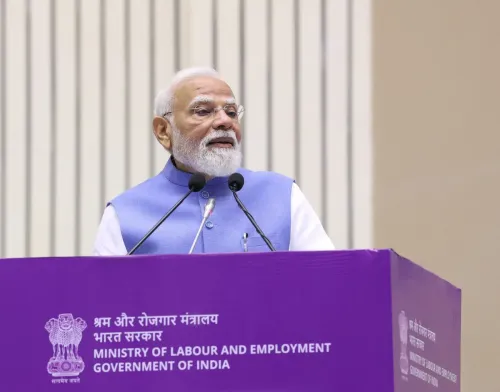
Union Labour and Sports Minister Mansukh Mandaviya on Friday, June 19, 2026, shared a quote attributed to Prime Minister Narendra Modi highlighting India's dramatic expansion in registered startups, framing the growth as a pillar of the government's employment agenda under the PM Viksit Bharat Rozgar Yojana.
Context
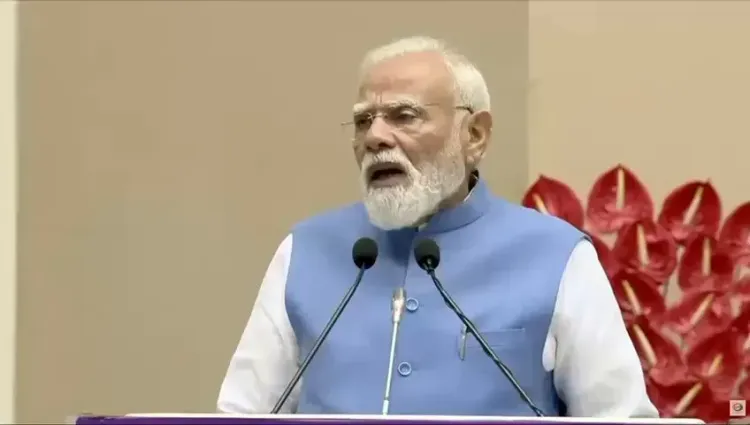
Mandaviya's post quoted PM Modi as stating: 'Ek samay par desh mein lagbhag 500 startup the, aur aaj 2 lakh se adhik registered startup hain' ('At one time the country had approximately 500 startups, and today there are more than 2 lakh registered startups'). The remark underscores the scale of change the government attributes to its pro-entrepreneurship policies over the past decade.
The post was tagged with #PMViksitBharatRozgarYojana, linking startup growth explicitly to the government's broader employment-generation framework under the Viksit Bharat vision.
Policy Backdrop
India's startup ecosystem received a formal institutional push with the launch of the Startup India initiative in January 2016, designed to streamline recognition, funding access, and regulatory relief for new ventures. The Department for Promotion of Industry and Internal Trade (DPIIT) has since administered a recognition framework that grants startups access to tax incentives, fund-of-funds capital, and simplified compliance norms.
Successive Union Budgets have expanded the fund-of-funds corpus and extended tax holiday windows for eligible startups, positioning the sector as a key source of formal employment. The government has consistently cited DPIIT-registered startup numbers as a headline metric of economic dynamism and youth opportunity.
Stakeholders and Impact
The primary beneficiaries of this ecosystem are startup founders, angel investors, and the millions of young job seekers who enter the workforce each year. A larger registered startup base translates, in policy terms, to a wider pool of employers eligible for employment-linked incentive schemes.
The linkage to PM Viksit Bharat Rozgar Yojana signals that the government is positioning startup-led job creation as a complement to traditional large-employer hiring, potentially opening new subsidy or incentive channels for early-stage ventures that bring on formal workers.
What's Next
Observers will watch for formal rollout notifications, budget allocations, and parliamentary disclosures related to the PM Viksit Bharat Rozgar Yojana in the coming legislative session. Clarity on eligibility criteria — particularly whether DPIIT-recognised startups qualify for employment-linked benefits under the scheme — will determine how directly the startup growth narrative translates into on-ground hiring incentives.
As the government continues to build the case that formalisation of the startup sector is a jobs story, the next measurable milestone will be whether scheme disbursements reflect a meaningful uptake from startups rather than only large established employers.
Point of View
Mandaviya is doing double duty: reinforcing the government's decade-long narrative of economic transformation while anchoring it to an employment scheme that is still awaiting full public detail. The move to connect a feel-good ecosystem metric to a formal rozgar yojana is a deliberate framing choice, designed to counter opposition arguments that growth has not translated into jobs. Whether the PM Viksit Bharat Rozgar Yojana delivers verifiable employment data will determine whether this narrative holds — or becomes a liability in the next electoral cycle.
NationPress
18 Sept 2026
Frequently Asked Questions
How many registered startups does India have in 2026?
According to a quote from PM Narendra Modi shared by Minister Mandaviya, India now has more than 2 lakh (200,000) registered startups, up from approximately 500 at an earlier point in time.
What is PM Viksit Bharat Rozgar Yojana?
PM Viksit Bharat Rozgar Yojana is an employment-linked scheme under the government's Viksit Bharat vision. Full rollout notifications and eligibility details are yet to be formally announced.
What is Startup India and when was it launched?
Startup India is a flagship government initiative launched in January 2016 to promote entrepreneurship through DPIIT recognition, tax incentives, fund-of-funds support, and simplified regulatory compliance.
Why did Mansukh Mandaviya post about startups?
As Union Minister for Labour and Youth Affairs, Mandaviya shared PM Modi's remark to highlight startup-driven job creation as a key pillar of the government's employment agenda under PM Viksit Bharat Rozgar Yojana.
How does DPIIT recognise startups in India?
The Department for Promotion of Industry and Internal Trade (DPIIT) grants formal recognition to eligible startups, giving them access to tax holidays, government fund-of-funds capital, and eased compliance requirements under the Startup India framework.