Mandaviya shares Modi's 2036 Olympic ambition on I-Day
Synopsis
On Independence Day 2026, Sports Minister Mansukh Mandaviya shared PM Modi's goal of ensuring Indian athletes compete in every Olympic discipline by 2036, driven by a countrywide talent hunt programme.
Key Takeaways
PM Narendra Modi set a target on Independence Day, 15 August 2026 for India to establish presence in all Olympic sports by 2036 .
A nationwide 'Talent Hunt' will be conducted to identify and develop athletes in disciplines where India currently has no Olympic representation.
Sports Minister Mansukh Mandaviya amplified the announcement on X, signalling ministerial commitment to the goal.
The Khelo India programme , launched in 2017 , provides the existing grassroots infrastructure the talent hunt would build on.
India's ambition is linked to its broader aspiration to host the 2036 Olympics , adding a concrete deadline to the participation target.
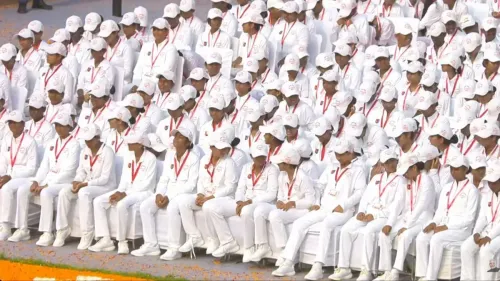
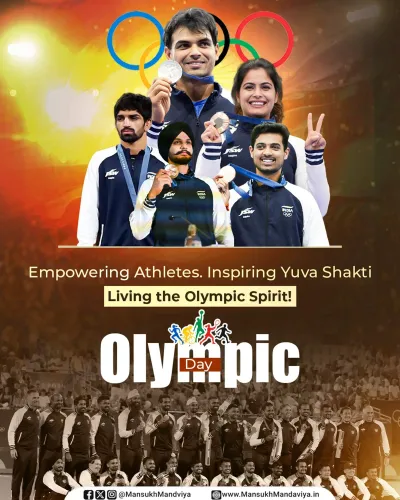
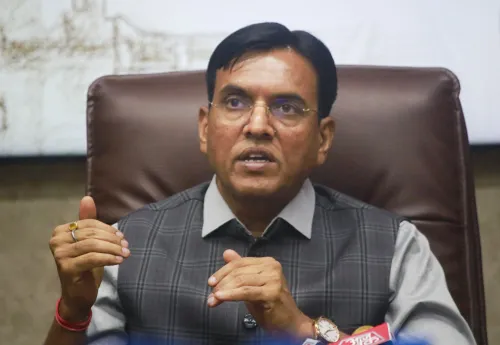
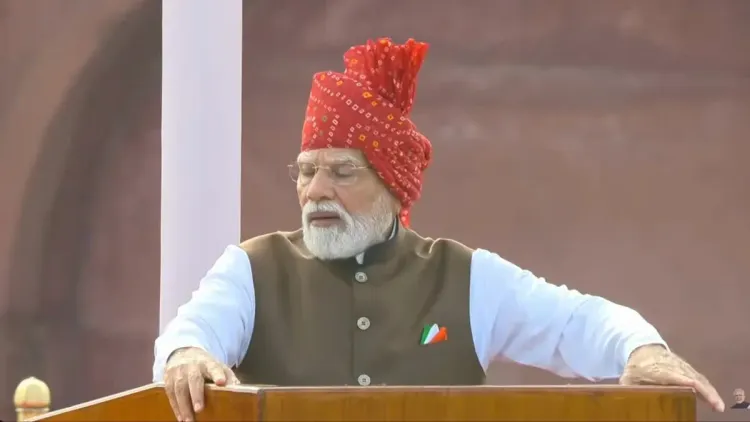
On Independence Day, 15 August 2026, Union Minister of Labour, Employment, Youth Affairs and Sports Mansukh Mandaviya amplified a clarion call from the highest office in the land — Prime Minister Narendra Modi's pledge to plant India's flag in every Olympic discipline by 2036, backed by a nationwide talent hunt to find the athletes who will get there.
Quoting the Prime Minister directly, Mandaviya shared Modi's words: 'ओलंपिक के जिन खेलों में आज हमारी मौजूदगी नहीं है, 2036 तक हमें उनमें भी अपनी जगह बनानी है' — 'In the Olympic sports where we have no presence today, we must carve our place in them too by 2036.' The vehicle: a structured 'Talent Hunt' rolled out across the country to identify and groom a new generation of athletes.
From a handful of medals to full Olympic participation
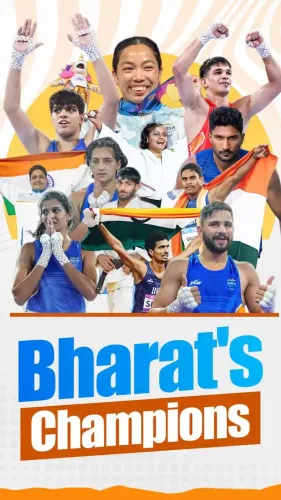
India's Olympic story has long been one of concentrated excellence in a narrow band of sports — shooting, wrestling, badminton, boxing — while entire disciplines on the Olympic programme have seen no Indian competitor at all. Modi's 2036 target reframes the ambition: not just more medals in familiar events, but presence across the board. It is a structural shift in how the country defines sporting success.
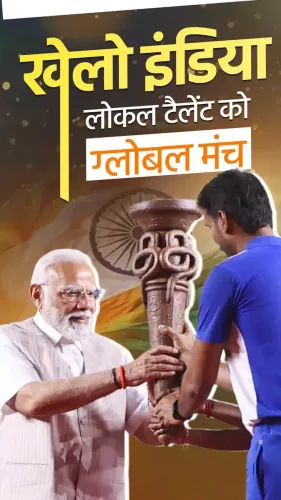
The policy groundwork is not new. The Khelo India programme, launched in 2017, was designed precisely to push grassroots talent identification into states and districts that had never produced an elite athlete. What the Prime Minister's Independence Day address signals is an acceleration of that logic — and, crucially, a deadline tied to India's bid to host the 2036 Olympics, which gives the target both urgency and a global stage.
The talent hunt: what the plan envisions
The proposed national talent hunt would scour the country for young athletes suited to disciplines where India currently draws a blank on Olympic start-lists — think rowing, sailing, equestrian, modern pentathlon, and several track-and-field events. The specifics of design, budget, and state-level coordination are yet to be publicly detailed, but the political signal is unambiguous: the government intends to treat Olympic participation as a floor, not a ceiling.
For sports federations and state academies, the message is equally direct — the window to 2036 is not long, and the pipeline must start now. The athletes who will compete a decade from now are, in many cases, children today.
India's sporting ambition has never been louder. Whether the infrastructure, the funding, and the follow-through match the moment is the question every young athlete waiting to be discovered will be watching for.
Point of View
Amplifying this signal on a high-visibility national occasion reinforces the Sports Ministry's centrality in the government's soft-power agenda. The critical test will be whether the talent hunt translates into sustained funding and institutional follow-through, or remains an aspirational headline that outlives its news cycle.
NationPress
15 Aug 2026
Frequently Asked Questions
What did PM Modi say about Olympics on Independence Day 2026?
PM Modi said India must establish a presence in every Olympic sport by 2036, including disciplines where it currently has no representation, and announced a nationwide talent hunt to find and train new athletes.
What is the national talent hunt for sports in India?
The national talent hunt is a proposed government programme to identify young athletes across India suited to Olympic disciplines where the country currently lacks competitors, with the goal of building a full-spectrum Olympic team by 2036.
Which Olympic sports does India not participate in?
India has historically had no or minimal representation in several Olympic disciplines including rowing, sailing, equestrian events, modern pentathlon, and a number of athletics track-and-field events, though the exact list evolves each Games cycle.
What is the Khelo India programme?
Khelo India is a government scheme launched in 2017 to promote grassroots sports development and talent identification across Indian states, forming the existing policy backbone for the broader 2036 Olympic participation goal.
Is India bidding to host the 2036 Olympics?
India has expressed strong interest in hosting the 2036 Summer Olympics, and PM Modi's Independence Day target of full Olympic participation by that year is closely linked to that hosting ambition.