Mandaviya Marks World Environment Day With Vedic Appeal

Synopsis
On World Environment Day 2026, Union Minister Mansukh Mandaviya cited the Atharva Veda verse 'The Earth is my mother; I am her son' to urge Indians to pledge protection and nurturing of nature, weaving ancient cultural heritage into contemporary environmental responsibility.
Key Takeaways
Union Minister Mansukh Mandaviya marked World Environment Day, 5 June 2026 , with a post on X invoking a Vedic shloka.
He quoted Mata Bhumih Putroham Prithivyah from the Atharva Veda , meaning 'The Earth is my mother; I am her son.' World Environment Day has been observed globally every 5 June since it was established by the UN General Assembly in 1972 .
India's environmental legal framework is anchored in the Environment Protection Act, 1986 , with a long-term net-zero target of 2070 .
Indian ministers across portfolios routinely blend Vedic references with policy messaging on environment occasions, connecting cultural heritage to sustainability goals.
Follow-up plantation and awareness drives are expected in June–July 2026 ahead of the monsoon season.
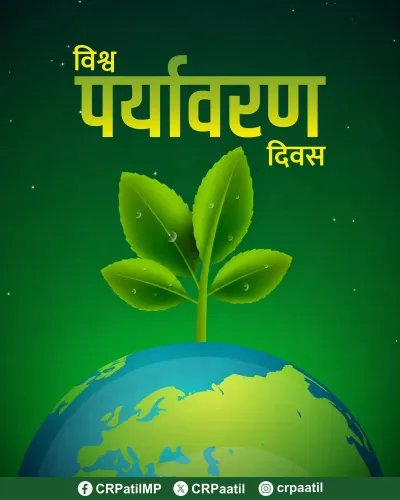
Union Labour and Sports Minister Mansukh Mandaviya on Friday, 5 June 2026 — World Environment Day — invoked a Sanskrit shloka from the Atharva Veda to call on citizens to pledge the protection and nurturing of nature, framing ecological responsibility as a civilisational duty rooted in India's ancient heritage.
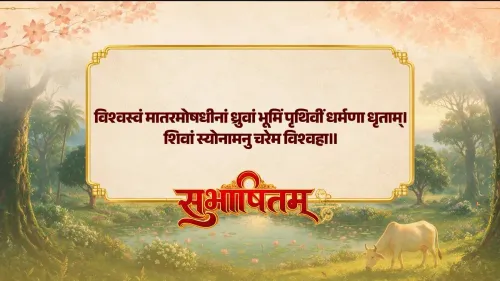
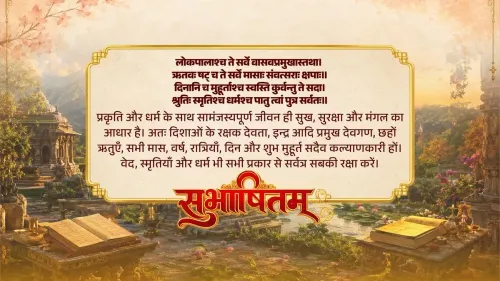
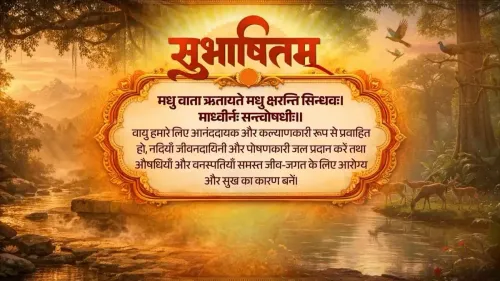
Posting on X, the minister quoted the Vedic verse 'Mata Bhumih Putroham Prithivyah' ('The Earth is my mother; I am her son') and wrote: 'Our nature is the very foundation of our lives. On the auspicious occasion of World Environment Day, let us pledge to protect and promote nature.'
Context
World Environment Day, observed every year on 5 June, was established by the UN General Assembly in 1972 following the landmark UN Conference on the Human Environment. It has since become the principal global platform for raising awareness about pressing environmental challenges. India was an active participant in the 1972 conference and has remained engaged in international environmental governance ever since.
The shloka Mandaviya cited originates in the Atharva Veda, one of Hinduism's four sacred texts, and is among the oldest recorded expressions of humanity's bond with the Earth. Its invocation on a global observance day is a deliberate cultural bridge between ancient Indian thought and contemporary sustainability discourse.
Policy Backdrop
India's legislative framework for environmental protection traces its modern roots to the Environment Protection Act of 1986, enacted in the aftermath of the Bhopal disaster. That statute remains the primary legal instrument underpinning conservation mandates across ministries. More recently, India has committed to a net-zero emissions target by 2070, announced at the COP26 climate summit, anchoring the country's long-term climate strategy.
Indian ministers across portfolios have increasingly blended Vedic and cultural references with policy messaging on environment-related occasions, a pattern that mirrors India's positioning at multilateral climate forums where traditional ecological knowledge is cited alongside formal commitments. This approach reflects a broader effort to mainstream environmental responsibility beyond the dedicated environment ministry.
Stakeholders and Impact
Mandaviya's message is directed primarily at Indian citizens and youth organisations, constituencies that fall within his ministerial purview through the Ministry of Youth Affairs and Sports. Youth-facing programmes have increasingly incorporated environmental themes, with awareness campaigns and plantation drives often timed to coincide with the monsoon season following World Environment Day.
The appeal carries symbolic weight beyond the minister's own portfolio: by linking ecological stewardship to a Vedic injunction, the message seeks to embed conservation as a cultural value rather than a regulatory obligation, potentially amplifying its reach among communities for whom scripture carries greater authority than statute.
What's Next
Observers will watch for follow-up state-level tree plantation or environmental awareness drives in June–July 2026, a period that typically sees such activity ahead of and during the monsoon. Any references to revised targets under India's National Action Plan on Climate Change in the upcoming monsoon session of Parliament will also signal how the government intends to translate ceremonial pledges into legislative or budgetary action.
Point of View
The minister sidesteps the political friction of hard targets while still occupying the World Environment Day news cycle. The approach also serves a secondary purpose: extending the reach of the Youth Affairs portfolio into environmental discourse, subtly expanding the ministry's cultural footprint. Analysts tracking India's climate diplomacy will note that such messaging increasingly runs in parallel with formal commitments, suggesting a two-track strategy of cultural mobilisation alongside institutional policy.
NationPress
20 Oct 2026
Frequently Asked Questions
What did Mansukh Mandaviya post on World Environment Day 2026?
Mandaviya posted a message on X invoking the Atharva Veda shloka 'Mata Bhumih Putroham Prithivyah' ('The Earth is my mother; I am her son') and called on citizens to pledge the protection and nurturing of nature on World Environment Day, 5 June 2026.
What does 'Mata Bhumih Putroham Prithivyah' mean?
It is a Sanskrit verse from the Atharva Veda meaning 'The Earth is my mother; I am her son.' It is one of the oldest recorded expressions of humanity's ecological bond with the Earth and is frequently cited in Indian environmental discourse.
When is World Environment Day and why is it observed?
World Environment Day is observed every year on 5 June. It was established by the UN General Assembly in 1972 following the UN Conference on the Human Environment and serves as the principal global platform for environmental awareness.
What is India's net-zero emissions target?
India has committed to achieving net-zero greenhouse gas emissions by 2070, a pledge announced at the COP26 climate summit. This forms the centrepiece of India's long-term climate strategy.
Which ministry does Mansukh Mandaviya head?
Mansukh Mandaviya is the Union Minister of Labour and Employment and Youth Affairs and Sports, a senior BJP leader who has held the portfolio since 2021.