UCC in Madhya Pradesh: Justice Desai panel holds marathon stakeholder meet in Bhopal
Synopsis
Madhya Pradesh is on a fast track to a Uniform Civil Code. Justice Ranjana Prakash Desai's panel spent an entire day in Bhopal hearing from commissions, political parties, and religious leaders — and if the Cabinet clears the draft, the UCC Bill could land in the state assembly as early as 20 July.
Key Takeaways
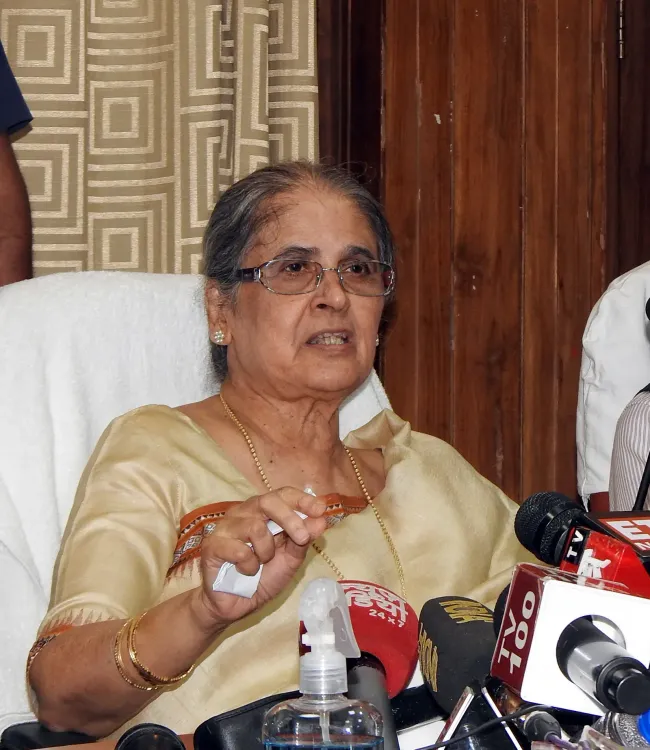
Justice Ranjana Prakash Desai 's high-level committee held day-long UCC stakeholder consultations at Naronha Administration Academy, Bhopal on 22 June .
Invitees included the Women's Commission , SC Commission , Minorities Commission , political party representatives, and religious leaders.
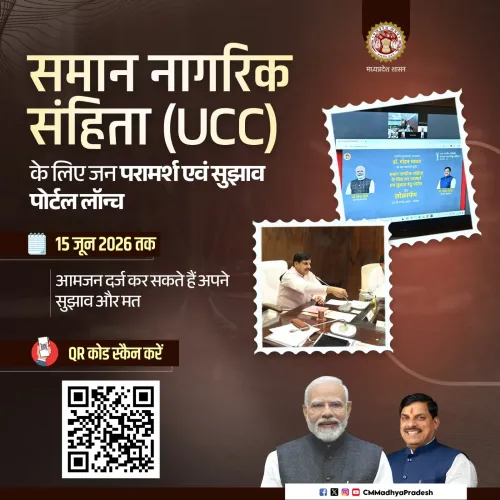
The committee has received approximately thousands of suggestions via online portals and public hearings.
Post-report, recommendations will be reviewed by a senior secretaries' panel headed by Chief Secretary Anurag Jain , then placed before Chief Minister Mohan Yadav 's Cabinet.
If Cabinet-approved, the UCC Bill is expected to be introduced in the MP Assembly Monsoon Session beginning 20 July .
A high-level committee headed by former Supreme Court judge Justice Ranjana Prakash Desai held extensive, day-long consultations with stakeholders in Bhopal on Monday, 22 June, as Madhya Pradesh moves closer to drafting its Uniform Civil Code (UCC) Bill. The marathon sessions, conducted at the Naronha Administration Academy, are expected to play a decisive role in shaping the final legislative draft.
Who Was at the Table
The committee convened representatives from a broad cross-section of institutions and communities. Invitees included members of the Women's Commission, Children's Commission, SC Commission, Backward Classes Commission, and Minorities Commission, who were called upon to present their suggestions and flag concerns. Additional Chief Secretaries, Principal Secretaries, and departmental secretaries from across the state government were also in attendance.
The afternoon session was reserved for representatives of recognised political parties, while religious leaders were scheduled to meet the panel in the evening — a sequencing that underscores the committee's intent to hear both political and community voices separately.
Key Inputs and Scale of Consultation
According to sources, the committee has already received approximately thousands of suggestions through online portals, public hearings, and other channels. These inputs are being studied to ensure that the concerns of all sections of society are reflected in the draft. The Home Department made detailed presentations covering law-and-order and administrative considerations, while other departments briefed the panel on domain-specific subjects relevant to the UCC's scope.
What Happens After the Report
Once the committee finalises its report based on Monday's deliberations, it will be submitted to the state government. A senior secretaries' committee headed by Chief Secretary Anurag Jain will then scrutinise the recommendations before the proposal is placed before the Cabinet chaired by Chief Minister Mohan Yadav for approval.
If the Cabinet clears the draft, the UCC Bill is likely to be introduced during the upcoming Monsoon Session of the Madhya Pradesh Legislative Assembly, which is scheduled to begin on 20 July. This comes amid a broader national conversation on uniform personal laws, with Uttarakhand having already enacted its own UCC legislation earlier this year.
Significance and Road Ahead
The consultative process reflects the state government's attempt to build consensus on a politically and socially sensitive issue before moving to legislation. Stakeholders have expressed hope that the final draft will balance progressive reforms with respect for the diverse cultural and religious traditions prevalent across Madhya Pradesh's communities. The committee's inclusive, multi-stakeholder approach is notably more expansive than the process followed in some other states, though critics may argue that the speed of the legislative timeline — with a 20 July assembly session as the target — leaves limited room for deeper deliberation.
Point of View
But the real question is whether thousands of submissions can be meaningfully synthesised in the days between Monday's meeting and a monsoon session tabling. Uttarakhand's UCC, enacted earlier, has already drawn legal challenges; MP's drafters will need to demonstrate that the consultation record is robust enough to withstand similar scrutiny. The involvement of the Minorities Commission is a signal of intent — but intent and outcome diverge most sharply on exactly this kind of legislation.
NationPress
22 Jun 2026
Frequently Asked Questions
What is the Uniform Civil Code committee doing in Madhya Pradesh?
A high-level committee headed by former Supreme Court judge Justice Ranjana Prakash Desai is conducting extensive stakeholder consultations in Bhopal to shape the final draft of Madhya Pradesh's UCC Bill. The day-long meeting on 22 June included representatives from statutory commissions, political parties, religious leaders, and senior state government officials.
When could the MP UCC Bill be introduced in the assembly?
If the committee's report is cleared by Chief Minister Mohan Yadav's Cabinet, the UCC Bill is expected to be tabled during the Madhya Pradesh Assembly's Monsoon Session, which begins on 20 July.
Who is Justice Ranjana Prakash Desai?
Justice Ranjana Prakash Desai is a former judge of the Supreme Court of India. She is heading the high-level committee tasked with drafting the Uniform Civil Code for Madhya Pradesh.
What happens after the committee submits its UCC report?
The report will first be reviewed by a senior secretaries' committee headed by Chief Secretary Anurag Jain. It will then be placed before the state Cabinet chaired by Chief Minister Mohan Yadav for approval before any legislative introduction.
Which bodies were consulted in the Bhopal UCC meeting?
The committee invited members of the Women's Commission, Children's Commission, SC Commission, Backward Classes Commission, and Minorities Commission. Representatives of recognised political parties and religious leaders also participated, alongside Additional Chief Secretaries and departmental secretaries.