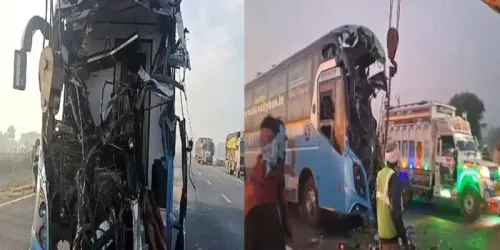
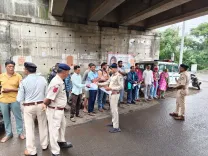
Jaipur smart electric bus locked 30 passengers after matchstick jammed SOS button
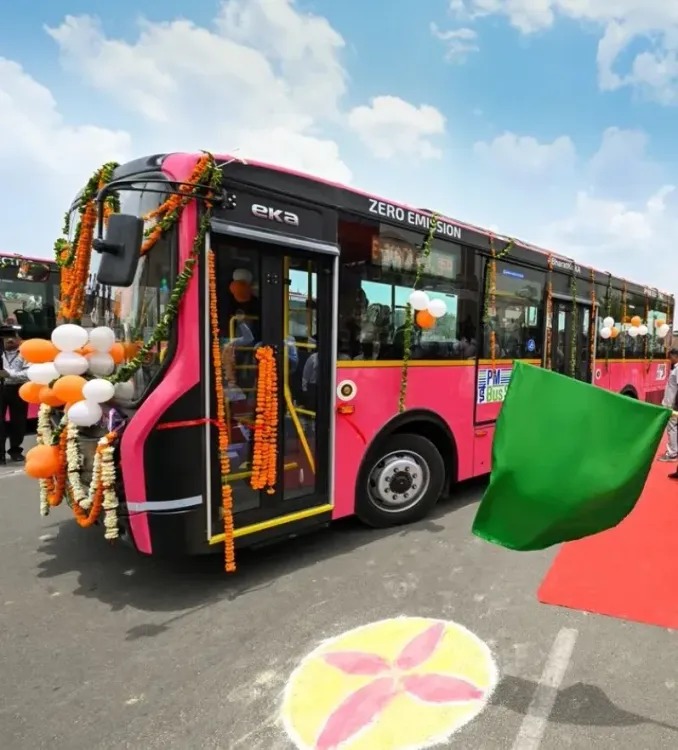
Synopsis
Just three days after Chief Minister Bhajanlal Sharma flagged off Jaipur's new electric smart buses, a matchstick lodged in a Panic SOS button locked 30 commuters inside one for nearly ten minutes — and neither the driver nor the conductor could fix it. The smallest possible object exposed the largest possible gap: a smart fleet with undertrained crew and zero passenger awareness.
Key Takeaways
30 passengers were trapped inside a Jaipur electric smart bus near Kumbha Marg, Tonk Road on Tuesday, 24 June .
A matchstick inserted into the Panic SOS button triggered the emergency protocol, locking doors and activating the siren for nearly 10 minutes .
Todi Depot Manager Anil Pareek confirmed the cause; the system was reset and normal operations restored.
The bus was part of a fleet of 29 electric smart buses launched in Jaipur just three days earlier under the PM's e-Bus Service Scheme .
The driver and conductor reportedly could not resolve the situation themselves and had to await technical assistance.
No injuries were reported; a passenger manually released the air-pressure door mechanism to free those on board.
Around 30 passengers were briefly trapped inside a brand-new electric smart bus in Jaipur on Tuesday, 24 June, after a matchstick lodged in the vehicle's Panic SOS button triggered the emergency system, locking the doors and setting off a blaring siren near Kumbha Marg on Tonk Road. The incident, which lasted nearly ten minutes, exposed a critical gap between the promise of smart public transport and the ground-level preparedness required to operate it safely.
What Happened on Tonk Road
The bus was mid-route when it suddenly stopped and the emergency siren activated. As the automated safety protocol engaged, the doors locked from the inside, leaving commuters confused and unable to exit. Neither the driver nor the conductor could immediately resolve the situation, and the vehicle remained stationary while passengers grew increasingly anxious.
Eventually, one passenger located the emergency release mechanism near the door and manually operated it, depressurising the air-pressure system and allowing the doors to open. No injuries were reported.
The Unlikely Culprit: A Matchstick
When mechanics inspected the bus afterwards, they reportedly found that a small wooden matchstick had been inserted into the Panic SOS button — a safety feature built into Jaipur's new electric fleet. The obstruction activated the emergency protocol, which is designed to trigger a siren and lock the doors automatically as a security response.
Todi Depot Manager Anil Pareek confirmed the findings. 'A passenger appears to have inserted a matchstick into the Panic SOS button. This activated the emergency system, causing the siren to sound and the doors to lock as part of the vehicle's safety protocol. The system was later reset, and normal operations were restored,' Pareek said.
Context: A Fleet Launched Just Days Earlier
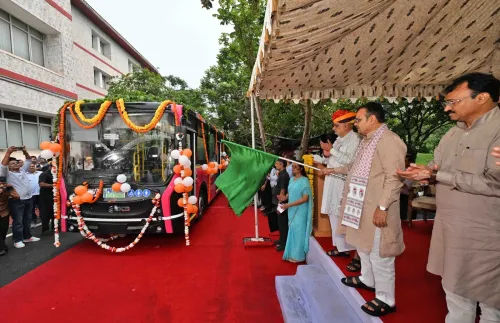
The timing sharpened scrutiny of the episode. Only three days before the incident, Chief Minister Bhajanlal Sharma had flagged off a fleet of 29 electric smart buses in Jaipur and 18 in Bhilwara under the Prime Minister's e-Bus Service Scheme. The launch was framed as a milestone in cleaner, smarter, and safer urban mobility for Rajasthan.
Tuesday's lockdown became an unplanned stress test of that promise. The buses are equipped with surveillance systems, digital monitoring tools, and Panic SOS buttons specifically intended to enhance safety for women commuters and other vulnerable passengers.
Training and Awareness Gap Laid Bare
The incident has raised pointed questions about whether bus crew members received adequate training to handle emergency system activations. The fact that the driver and conductor reportedly had to await technical assistance — rather than resolving the issue themselves — suggests that operational readiness has not kept pace with the technology rollout.
Preliminary investigations indicate the matchstick insertion may have been an act of tampering, though officials have not yet confirmed intent. Depot authorities say the system has since been reset and the bus returned to service. Whether additional safeguards will be placed around the SOS button to prevent recurrence has not been announced.
What This Means for Smart Bus Rollouts
The episode underlines a recurring challenge in India's public transport modernisation drive: deploying sophisticated technology without simultaneously investing in passenger awareness campaigns and crew training. A safety feature designed to protect commuters ended up generating the very panic it was meant to prevent — because a single small object could trigger it without any counter-measure in place. As Jaipur expands its electric bus network, authorities will need to address both the human and technical dimensions of operating these vehicles reliably.
Point of View
The question policymakers must answer is not 'how do we protect the SOS button' but 'why wasn't the crew prepared for this on day one.'
NationPress
22 Sept 2026
Frequently Asked Questions
What caused 30 passengers to be locked inside a Jaipur electric bus?
A matchstick inserted into the Panic SOS button activated the bus's emergency protocol, which automatically locked the doors and triggered a siren. The incident occurred near Kumbha Marg on Tonk Road on 24 June and lasted nearly ten minutes before a passenger manually released the door mechanism.
Which bus service was involved in the Jaipur smart bus incident?
The bus was part of a fleet of 29 electric smart buses launched in Jaipur under the Prime Minister's e-Bus Service Scheme, flagged off by Chief Minister Bhajanlal Sharma just three days before the incident.
How were the passengers freed from the locked electric bus?
A passenger located the emergency release mechanism near the door and manually operated it, depressurising the air-pressure system and allowing the doors to open. No injuries were reported.
What did the Todi Depot Manager say about the Jaipur bus incident?
Depot Manager Anil Pareek confirmed that preliminary investigations pointed to a passenger inserting a matchstick into the Panic SOS button, which triggered the siren and door-lock protocol. He said the system was subsequently reset and normal operations restored.
Does the incident raise concerns about crew training on Jaipur's new electric buses?
Yes. Reports indicate that the driver and conductor were unable to resolve the emergency activation themselves and had to wait for technical assistance, raising questions about whether bus crew received adequate training before the new electric fleet was put into service.