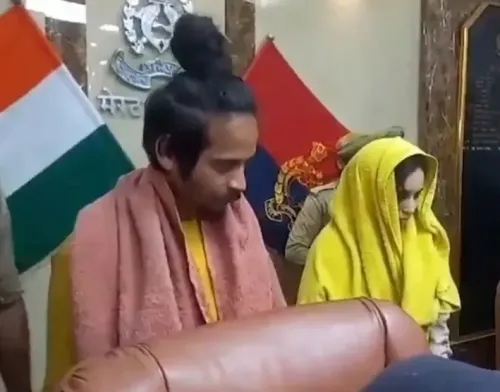
Meerut Blue Drum murder case: Muskan Rastogi, Sahil Shukla convicted; death penalty sought
Synopsis
After 126 hearings and 13 months of arguments, a Meerut court has convicted Muskan Rastogi and her lover Sahil Shukla for the murder of her husband Saurabh Rajput — the Blue Drum case where the body was allegedly sealed in cement inside a plastic drum. The prosecution is now pushing for the death penalty in what could become one of Uttar Pradesh's most high-profile capital punishment cases in recent years.
Key Takeaways
A Meerut court on 30 September 2026 convicted Muskan Rastogi and Sahil Shukla of murdering Saurabh Rajput and concealing his body.
The verdict came after 126 hearings and roughly 13 months of arguments before District Judge Arvind Kumar Mishra .
The prosecution presented 22 testimonies , with evidence including CDR data, mobile tower locations, shopkeeper testimony, and post-mortem findings.
The prosecution is seeking the death penalty for both convicts; the sentencing date is yet to be announced.
The accused allegedly sedated Saurabh on 3 March 2025 , stabbed him, dismembered his body, and sealed it in a blue plastic drum filled with cement.
A court in Meerut on Wednesday, 30 September 2026, convicted both accused in the sensational Blue Drum murder case — Muskan Rastogi and her lover Sahil Shukla — of murdering Saurabh Rajput and concealing his body. The verdict, delivered by District Judge Arvind Kumar Mishra, comes after 126 hearings spanning roughly 13 months of arguments. The date for pronouncement of sentence is yet to be fixed.
What the Court Found
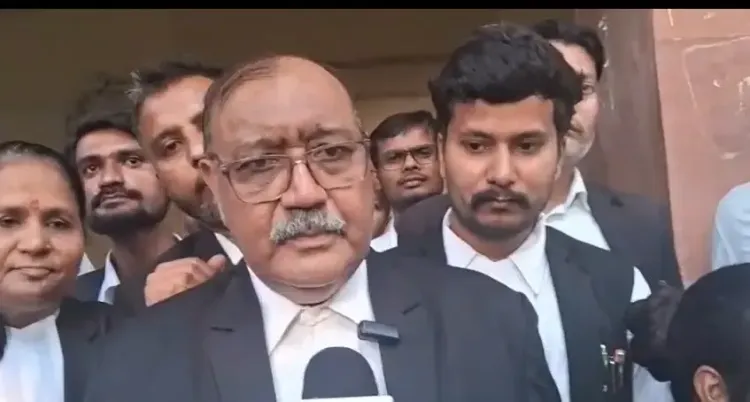
Prosecutor Vijay Bahadur confirmed the conviction, stating: 'The court found both the accused, Muskan and Sahil, guilty of murder and hiding Saurabh's body.' He noted that the prosecution had presented 22 testimonies on different occasions, building its case entirely on circumstantial evidence arranged in chronological sequence. According to the prosecutor, every piece of evidence corroborated the prosecution's narrative.
Bahadur further stated: 'All the evidence presented by the prosecution was found complete by the court. Even though it's the court's decision, we will demand a death sentence. Generally, in cases like these, the minimum punishment is a life sentence, and the maximum punishment is death.'
The Evidence That Sealed the Case
The prosecution built its case through a combination of technical and physical evidence. Local shopkeepers testified to selling a large blue plastic drum, cement bags, sand, cleavers, and razors to Rastogi and Shukla ahead of the crime. Call detail records and mobile signal tower data placed Shukla at the residence during the time of the alleged murder, and also traced the duo's joint movements to hotel stays in Shimla and Manali in Himachal Pradesh. Post-mortem findings confirmed that Saurabh had been stabbed to death.
How the Crime Unfolded
According to the police investigation, on 3 March 2025, Muskan Rastogi allegedly sedated her husband Saurabh Rajput by lacing his food. Sahil Shukla reportedly arrived shortly after, and the two stabbed Saurabh to death before dismembering his body in the bathroom. To mask the odour of decomposition, they allegedly packed the body parts into the blue plastic drum, filled it with a mixture of sand, water, and cement, and sealed it — a detail that gave the case its now-infamous name.
The Family's Demand
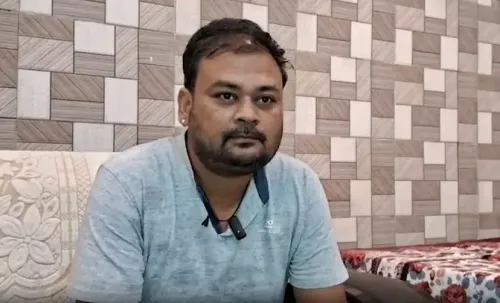
Saurabh's elder brother Rahul expressed the family's grief and resolve, saying: 'We just want one thing: whatever they did to my brother, the same should happen to them.' The statement reflects the family's support for the prosecution's push for capital punishment.
Timeline and What Happens Next
The case was first brought before the court on 17 March 2025, with Muskan and Sahil being sent to Meerut jail two days later. The trial was transferred to the district judge's court in July 2025, with arguments continuing for approximately 13 months. With conviction now pronounced, the court will next hear arguments on sentencing — where the prosecution will formally seek the death penalty for both convicts. The date for that hearing is awaited.
Point of View
When meticulously layered — CDRs, tower dumps, shopkeeper testimony, forensic findings — can sustain a capital case without a single eyewitness. The prosecution's death penalty push will test how Indian courts weigh premeditation and the callousness of body disposal as aggravating factors. Notably, the case took only 13 months to conclude after charge, which is unusually swift for Indian trial courts; the sentencing phase will reveal whether that pace holds. The victim's family's raw demand for equivalent punishment reflects a wider public disillusionment with the perception that life sentences offer inadequate deterrence in spousal murder cases.
NationPress
30 Sept 2026
Frequently Asked Questions
What is the Meerut Blue Drum murder case?
The Blue Drum murder case refers to the killing of Saurabh Rajput by his wife Muskan Rastogi and her lover Sahil Shukla on 3 March 2025 in Meerut. After stabbing and dismembering Saurabh, the accused allegedly sealed his body parts inside a large blue plastic drum filled with cement — a detail that gave the case its name.
What verdict did the Meerut court deliver?
On 30 September 2026 , District Judge Arvind Kumar Mishra found both Muskan Rastogi and Sahil Shukla guilty of murder and concealing the body of Saurabh Rajput . The date for pronouncement of sentence has not yet been fixed.
Will Muskan Rastogi and Sahil Shukla face the death penalty?
The prosecution has stated it will formally seek the death penalty for both convicts. Prosecutor Vijay Bahadur noted that in such cases the minimum punishment is a life sentence and the maximum is death. The final decision rests with the court at the sentencing hearing.
What evidence was used to convict the accused?
The court relied on circumstantial, technical, and physical evidence including call detail records , mobile signal tower data placing Shukla at the scene, shopkeeper testimony about purchase of the drum and materials, and post-mortem findings confirming Saurabh was stabbed to death. The prosecution presented 22 testimonies across the trial.
How long did the Blue Drum murder trial last?
The case was brought to court on 17 March 2025 and involved 126 hearings , with arguments running for approximately 13 months after the trial was transferred to the district judge's court in July 2025 .