Blue Drum murder: Muskan, Sahil broke down on death sentence, says Meerut Jail chief

Synopsis
A Meerut district court handed down the death penalty to Muskan Rastogi and Sahil Shukla in the Blue Drum murder case, ruling it 'rarest of the rare.' The jail superintendent's firsthand account — both convicts breaking down and weeping all the way back to their barracks — adds a stark human dimension to one of the region's most sensational criminal verdicts in recent memory.
Key Takeaways
Muskan Rastogi and Sahil Shukla were sentenced to death by a Meerut district court on 14 October 2026 in the murder of Saurabh Rajput .
The court classified the case as 'rarest of the rare' , the legal threshold for capital punishment in India.
Senior Jail Superintendent Veeresh Raj Sharma said neither convict expected the death penalty and both wept bitterly after the verdict.
Proceedings were held via video conferencing; no in-person meeting between the two convicts was permitted.
Both have been given two days to decide whether to appeal the sentence themselves or have the Prison Department file an appeal on their behalf.
Lawyers celebrated outside the court by distributing sweets; Saurabh Rajput's family welcomed the verdict.
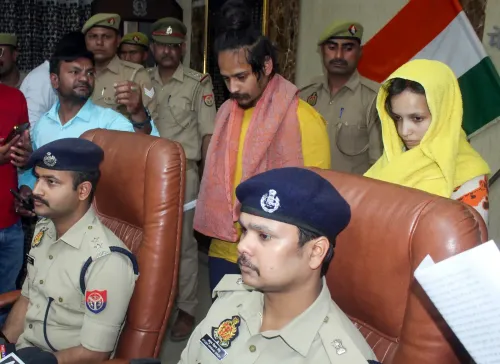
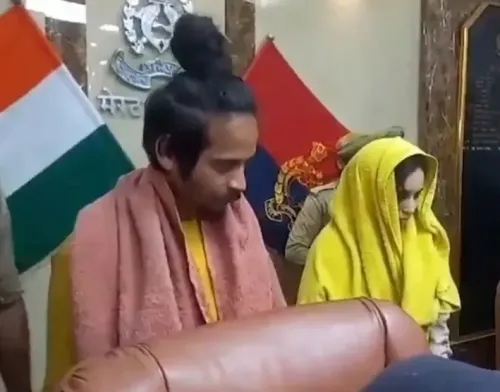
Muskan Rastogi and her lover Sahil Shukla, convicted in the gruesome murder of former Merchant Navy officer Saurabh Rajput — whose body was discovered stuffed inside a blue drum — wept bitterly and returned to their barracks in tears after a Meerut district court sentenced them to death on Wednesday, 14 October 2026. The court classified the case as the 'rarest of the rare', the legal threshold required to award capital punishment under Indian law.
What the Jail Superintendent Witnessed
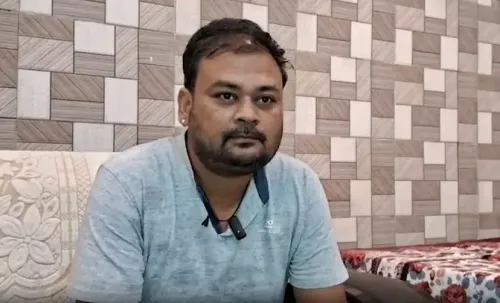
Meerut prison's Senior Jail Superintendent Veeresh Raj Sharma was present in the video conferencing room when the sentence was pronounced and provided a firsthand account of the convicts' reaction. 'Today, the Honourable Court sentenced Muskan and Sahil to death. I was present in the video conferencing room while they were being produced before the court; I feel neither of them expected the death penalty — they were anticipating, at most, life imprisonment,' Sharma said.
'However, the moment the sentence — the harshest in the Indian judicial system — was pronounced, they went into deep shock and broke down, weeping bitterly,' he added. Sharma confirmed that both convicts 'wept all the way from the VC room back to their respective barracks.'
No In-Person Meeting; Counselling Provided
Since the court proceedings were conducted via video conferencing, an in-person meeting between the two convicts was not permitted. Sharma clarified that they simply returned to their separate barracks after the verdict. Prison officials subsequently counselled both of them, explaining the legal options ahead.
'We explained the subsequent procedures, that they could choose to appeal themselves, or the Prison Department would file an appeal on their behalf, and asked them to decide and inform us within two days,' Sharma said. A security review was also held within the jail to determine the housing arrangements for the condemned convicts. Once the detailed court order is received, they will be assigned convict numbers and uniforms and provided standard prison meals. Given that the sentence includes rigorous imprisonment, both will be required to perform manual labour.
Outside the Court: Celebrations and Relief
The verdict was met with jubilation outside the Meerut district court, where lawyers distributed sweets, stating that the punishment was commensurate with the nature of the crime. The family of Saurabh Rajput also welcomed the capital punishment awarded to his killers, expressing relief at the court's decision.
Background: The Blue Drum Murder Case
The case drew national attention after Saurabh Rajput's body was found concealed inside a blue drum. Rajput, a former Merchant Navy officer, was allegedly murdered by Muskan Rastogi and Sahil Shukla. The case was widely described as one of the most sensational criminal proceedings in the region in recent years, with its disturbing details gripping public attention throughout the trial. The 'rarest of the rare' categorisation signals that the court found the crime to be of exceptional depravity, leaving no room for a lesser sentence. The convicts now have the option to challenge the verdict before a higher court.
Point of View
And this verdict signals the judiciary's view that the Blue Drum murder crossed every threshold of exceptional depravity. What the mainstream coverage glosses over is the procedural moment that follows sentencing: the prison machinery immediately shifts into counselling, security review, and appeal notification mode, underscoring that a death sentence is not an end but the beginning of a long appellate process. Given India's record of death row cases pending for years, the convicts' grief today may stretch into a prolonged legal uncertainty. The family's relief, while understandable, must be weighed against the reality that execution is rarely swift in the Indian system.
NationPress
14 Oct 2026
Frequently Asked Questions
What is the Blue Drum murder case?
The Blue Drum murder case refers to the killing of former Merchant Navy officer Saurabh Rajput, whose body was found stuffed inside a blue drum in Meerut. Muskan Rastogi and her lover Sahil Shukla were convicted of the murder and sentenced to death on 14 October 2026.
Why were Muskan Rastogi and Sahil Shukla given the death penalty?
The Meerut district court classified the case as 'rarest of the rare,' the legal standard under Indian law that permits capital punishment. The nature and circumstances of the crime were deemed exceptional enough to warrant the harshest sentence in the Indian judicial system.
How did the convicts react to the death sentence?
According to Senior Jail Superintendent Veeresh Raj Sharma, who was present during the video conferencing hearing, both Muskan Rastogi and Sahil Shukla went into deep shock and wept bitterly. They returned to their respective barracks weeping, as neither had apparently anticipated the death penalty.
Can Muskan and Sahil appeal the death sentence?
Yes. The jail superintendent informed them that they could either file an appeal themselves or have the Prison Department file one on their behalf. They have been given two days to decide and communicate their preference to prison authorities.
What happens next for the two convicted killers?
Once the detailed court order is received, both convicts will be assigned convict numbers, uniforms, and standard prison meals. As the sentence includes rigorous imprisonment, they will also be required to perform manual labour while any appeal process unfolds.