Meghalaya cabinet approves anti-uranium mining resolution for Assembly
Synopsis
Meghalaya, home to an estimated 16 per cent of India's uranium reserves, is moving to formally oppose extraction through a Cabinet-cleared resolution headed to the Assembly on 24 August. Chief Minister Conrad K. Sangma's government is turning decades of community resistance into a legislative position — putting the state on a potential collision course with central agencies that have long eyed the Domiasiat and Wahkaji deposits.
Key Takeaways
The Meghalaya Cabinet approved a draft resolution opposing uranium mining on 13 August .
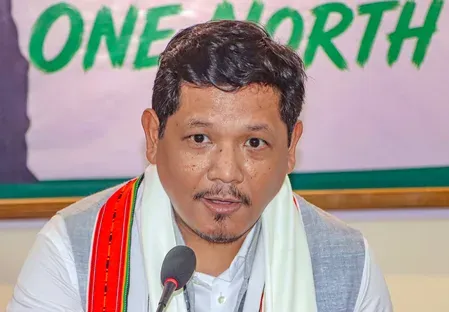
Chief Minister Conrad K.
Sangma confirmed the resolution will be tabled at the Autumn Session beginning 24 August .
Key proposed mining sites — Domiasiat , Wahkaji , and Mawthabah — are in South West Khasi Hills district .
Meghalaya holds an estimated 16 per cent of India's total uranium reserves.
Opposition to uranium mining in the state has persisted for several decades , driven by environmental and indigenous land-rights concerns.
Much of the contested land is governed by customary systems , giving traditional institutions a significant role in resource decisions.
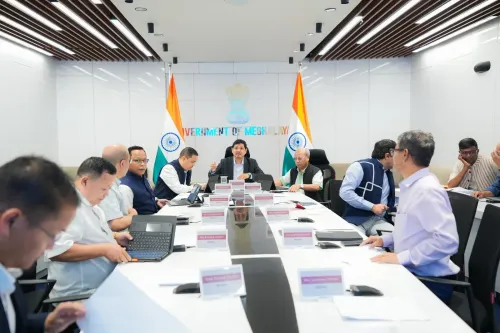
The Meghalaya Cabinet on Thursday, 13 August cleared a draft resolution formally opposing uranium mining in the state, with the government set to table it before the Meghalaya Legislative Assembly during the Autumn Session beginning 24 August. The move brings a decades-long community grievance into the formal legislative arena for the first time.
What the Cabinet Decided
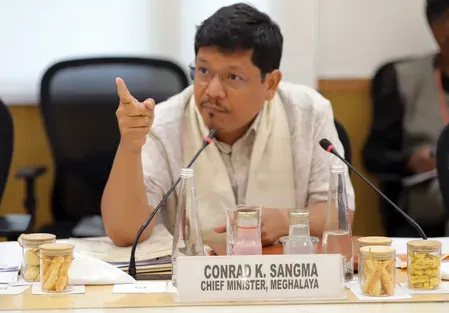
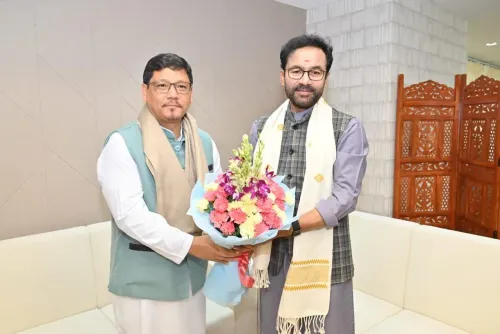
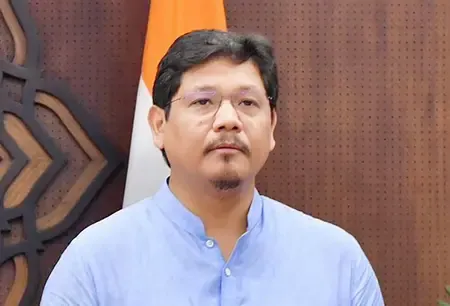
Chief Minister Conrad K. Sangma announced the Cabinet's decision, stating that the proposed resolution would place the state government's official position on uranium mining squarely before the Assembly. The resolution, once tabled, is expected to formally record Meghalaya's stance against extraction of uranium within its borders.
The proposed mining sites at the centre of the controversy include Domiasiat, Wahkaji, and Mawthabah — all located in the South West Khasi Hills district, where significant uranium deposits have been identified.
Why Meghalaya Matters to India's Uranium Map
The stakes are considerable: Meghalaya is estimated to hold around 16 per cent of India's total uranium reserves, lending the issue strategic and economic weight at the national level. That figure has long made the state a focal point for central agencies exploring domestic uranium sourcing, even as local resistance has remained entrenched.
Notably, this is not a new conflict. Opposition to uranium mining in Meghalaya has persisted for several decades, with local organisations and community groups repeatedly raising concerns over environmental degradation and social disruption.
Land Rights and Indigenous Governance
The issue is especially sensitive in Meghalaya because a substantial portion of land is governed through customary systems, with traditional institutions and local communities holding significant authority over land and natural resources. This distinctive governance arrangement means that any mining proposal must navigate not just statutory approvals but also the consent of indigenous custodians — a layer of complexity absent in most other Indian states.
Critics argue that uranium extraction in these areas risks irreversible environmental damage and threatens the livelihoods and cultural identity of communities whose land rights predate the modern regulatory framework.
What Happens at the Autumn Session
The Autumn Session of the Meghalaya Assembly, commencing 24 August, is expected to provide the primary forum for debate on the resolution. Passage of the resolution would formally align the state legislature's position with the long-standing demands of local communities, and could strengthen Meghalaya's hand in any future negotiations with the Centre over mining clearances.
The government has framed the move as an effort to balance Meghalaya's natural resource potential against environmental safeguards and indigenous community interests — a balance that, according to critics, has tilted too far toward extraction in past national-level deliberations. How the Centre responds to a formal legislative resolution from a state sitting on 16 per cent of India's uranium reserves will be closely watched.
Point of View
The Sangma government is creating a formal record that any future clearance will have to contend with politically, even if not legally. The deeper tension is structural: Meghalaya's customary land governance sits uneasily alongside a central regulatory regime that treats uranium as a strategic national asset. That contradiction has never been resolved, and a resolution in the Assembly will not resolve it either. The real test is whether this legislative move translates into a credible negotiating position with the Centre, or remains symbolic.
NationPress
13 Aug 2026
Frequently Asked Questions
What did the Meghalaya Cabinet decide on uranium mining?
The Meghalaya Cabinet cleared a draft resolution formally opposing uranium mining in the state on 13 August. The resolution is set to be tabled before the Meghalaya Legislative Assembly during the Autumn Session beginning 24 August.
Where are the proposed uranium mining sites in Meghalaya?
The primary proposed mining sites are Domiasiat, Wahkaji, and Mawthabah, all located in the South West Khasi Hills district of Meghalaya, where significant uranium deposits have been identified.
How significant are Meghalaya's uranium reserves for India?
Meghalaya is estimated to account for around 16 per cent of India's total uranium reserves, making the state strategically important for domestic uranium sourcing at the national level.
Why is uranium mining so contentious in Meghalaya?
Opposition has persisted for several decades due to concerns over environmental damage and the impact on indigenous communities. A large portion of the land in question is governed by customary systems, giving traditional institutions significant authority over resource decisions — adding a layer of complexity beyond standard regulatory approvals.
Can a state Assembly resolution legally block uranium mining?
Not directly. Uranium mining is governed by the Atomic Energy Act, which is a Union subject, meaning the Centre holds primary regulatory authority. However, a formal legislative resolution strengthens the state government's political position in any future negotiations over mining clearances.