Meghalaya conducts 1,432 fertiliser inspections, warns of licence cancellation
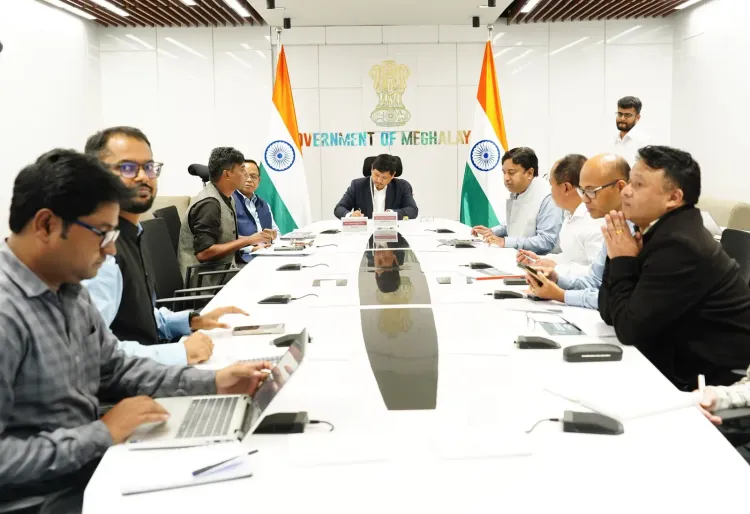
Synopsis
Meghalaya has carried out 1,432 surprise fertiliser inspections and put retailers on notice: overcharge farmers or divert stock and lose your licence. With SSP being sold illegally at ₹900 against a subsidised ₹800, the crackdown is as much about protecting farmers now as it is about building the credibility needed for the state's ambitious pivot to organic farming.
Key Takeaways
Meghalaya conducted 1,432 surprise inspections of fertiliser retailers as part of an intensified enforcement drive.
Subsidised SSP is priced at ₹800 per bag ; urea at ₹266 per bag ; the government provides a 25% subsidy on SSP against a market price of ~ ₹1,200 .
129 inspectors have been deployed; every sale must be uploaded to the Integrated Fertiliser Management System (iFMS) .
Retailers found overcharging or indulging in black marketing face licence cancellation , Chief Minister Conrad K.
The state aims to become India's largest state in organic farming coverage and is already moving towards greater organic certification.
Farmers can file overcharging complaints via the CM Connect grievance redressal system.
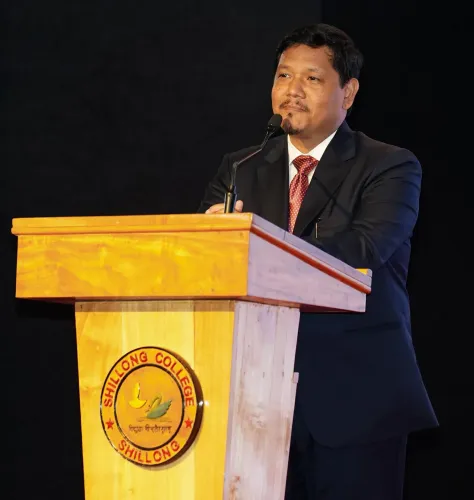
The Meghalaya government has intensified its crackdown on fertiliser black marketing, conducting 1,432 surprise inspections across the state and warning that retailers found overcharging or diverting stock could face licence cancellation, Chief Minister Conrad K. Sangma told the state Assembly on Thursday, 27 August. The enforcement drive is running parallel to the state's longer-term push to transition away from chemical fertilisers entirely.
Key Developments in the Assembly
Sangma was responding to a question raised by Voice of the People Party (VPP) president and Nongkrem MLA Ardent Miller Basaiawmoit, who flagged complaints that farmers were being asked to pay ₹900 for a bag of Single Super Phosphate (SSP). The Chief Minister clarified that the subsidised price of SSP was ₹800 per bag, while urea was available at ₹266 per bag. He noted that the open-market price of SSP stood at around ₹1,200, with the state providing a 25 per cent subsidy to bring it within farmer reach.
Enforcement Machinery on the Ground
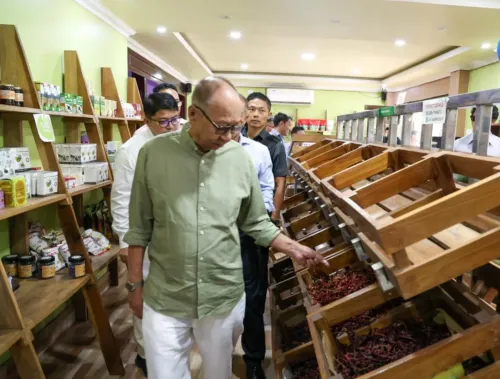
Agriculture Minister Timothy D. Shira said the state had deployed 129 inspectors to monitor retailers and ensure compliance. Retailers are required to prominently display notified prices and upload the details of every fertiliser transaction to the Integrated Fertiliser Management System (iFMS). 'This makes every sale traceable,' Shira said. The Directors of Agriculture and Horticulture have been authorised to conduct random checks at any time.
Shira also urged farmers facing overcharging to file complaints through the CM Connect grievance redressal system, offering a direct channel to flag violations.
Diversion to Other States and Bangladesh
Addressing concerns over fertiliser being diverted to neighbouring states and Bangladesh, Shira said consumption in Garo Hills was relatively low, partly because many farmers there continued to practise traditional natural farming. Sangma added that fertiliser movement was being monitored through relevant portals and permits, with use confined to notified areas to prevent cross-border diversion.
Meghalaya's Organic Farming Ambition
'We are in a transition mode,' Sangma said, stressing that the long-term objective was to move away from chemical fertilisers altogether. The state aims to emerge as the country's largest state in organic farming coverage and is already progressing towards greater organic certification. The government maintained that the enforcement measures were designed both to protect farmers from price exploitation and to accelerate Meghalaya's broader shift towards sustainable agriculture.
With digital traceability now built into every fertiliser sale and a dedicated inspector network in place, the administration's next challenge will be sustaining enforcement momentum beyond the current legislative spotlight.
Point of View
432-inspection figure is notable, but the real test is what follows when violations are found. Licence cancellations in Indian state agriculture enforcement are rare; warnings are more common. Meghalaya's iFMS-based traceability is a sound structural fix, but its deterrent value depends entirely on whether the data is actually acted upon. The cross-border diversion angle — particularly to Bangladesh — deserves closer scrutiny than a legislative Q&A allows; it points to a subsidy arbitrage problem that digital portals alone cannot solve. The organic farming ambition is laudable, but transitioning smallholders away from chemical inputs without income support risks trading one vulnerability for another.
NationPress
27 Aug 2026
Frequently Asked Questions
How many fertiliser inspections has Meghalaya conducted?
The Meghalaya government has conducted 1,432 surprise inspections of fertiliser retailers across the state. The drive was confirmed by Chief Minister Conrad K. Sangma in the state Assembly on 27 August.
What is the subsidised price of SSP fertiliser in Meghalaya?
The subsidised price of Single Super Phosphate (SSP) in Meghalaya is ₹800 per bag , against an open-market price of around ₹1,200. The state provides a 25% subsidy; urea is available at ₹266 per bag.
What action can retailers face for black marketing fertiliser in Meghalaya?
Retailers found selling fertiliser at inflated rates or engaging in black marketing face cancellation of their dealer's licence, Chief Minister Conrad K. Sangma warned. Enforcement is backed by 129 deployed inspectors and digital sale tracking via the iFMS.
How can Meghalaya farmers report fertiliser overcharging?
Farmers facing overcharging can file complaints through the CM Connect grievance redressal system, as advised by Agriculture Minister Timothy D. Shira in the Assembly.
What is Meghalaya's long-term plan for fertiliser use?
Meghalaya aims to reduce dependence on chemical fertilisers and transition towards organic agriculture. The state targets becoming India's largest state in organic farming coverage and is already progressing towards broader organic certification, with Chief Minister Sangma describing the current phase as a 'transition mode.'