Meghalaya studying UCC Bill 2026; tribal rights top priority, says CM Sangma
Synopsis
Meghalaya CM Conrad Sangma has moved from outright UCC opposition to cautious scrutiny — reviewing Assam and Uttarakhand's legislation to check whether tribal exemptions are watertight. With the matrilineal system and Sixth Schedule protections on the line, the state's final call could set a template for how tribal-majority Northeast states respond to the UCC wave.
Key Takeaways
Meghalaya CM Conrad K.
Sangma confirmed on 27 May that the state is studying UCC laws enacted in Assam and Uttarakhand before taking a formal position.
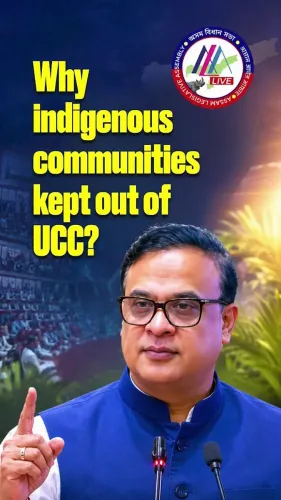
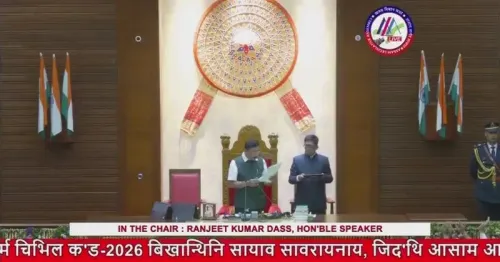
The Assam Assembly passed the UCC Bill, 2026 , triggering fresh political debate across the Northeast.
A preliminary review suggests both state UCC laws appear to exempt tribal customary practices, offering Meghalaya 'some reassurance,' according to CM Sangma .
Sangma had previously opposed UCC implementation in Meghalaya, citing the state's distinct tribal identity and matrilineal social structure.
The Chief Minister stressed that protection of tribal interests and the matrilineal system will remain the government's top priority regardless of outcome.
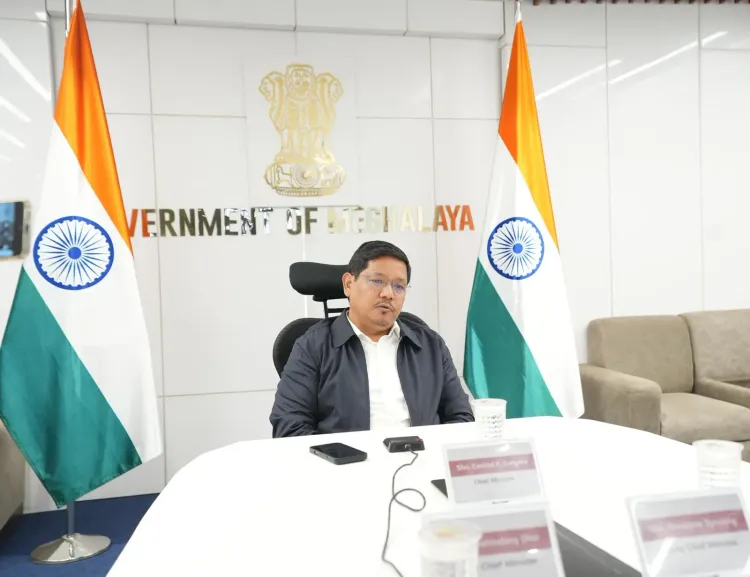
Chief Minister Conrad K. Sangma said on Wednesday, 27 May that Meghalaya is carefully examining the provisions of the Uniform Civil Code (UCC) legislations enacted in states such as Assam and Uttarakhand before the state government takes any formal position, with the protection of tribal rights and the matrilineal social structure remaining its foremost priority. The statement came a day after the Assam Assembly passed the UCC Bill, 2026, intensifying political debate across the tribal-majority states of the Northeast.
What Triggered the Review
The passage of the UCC Bill in Assam has reignited discussions in neighbouring states, particularly those with constitutionally protected customary practices. For Meghalaya — a tribal-majority state where indigenous communities such as the Khasi, Jaintia, and Garo follow distinct customary laws and a matrilineal system of inheritance — the stakes are especially high. CM Sangma noted that when the UCC was first debated nationally, the absence of a concrete legislative text had fuelled widespread anxiety and conflicting interpretations.
'Different interpretations and apprehensions naturally emerged because people did not know the exact provisions of the proposed law,' Sangma said.
Early Reassurance, But Caution Remains
A preliminary review of the UCC laws passed in Assam and Uttarakhand has offered the Meghalaya government some initial comfort. CM Sangma indicated that, on paper, both legislations appear to have kept tribal customary laws outside their ambit.
'From what we have seen on paper, there appear to be safeguards for tribal rights and traditional systems. That has given us some reassurance,' he said.
However, the Chief Minister was careful to stress that a preliminary reading does not constitute a final position. The state government intends to study the legislation from both legal and political perspectives before arriving at any conclusion.
Sangma's Earlier Opposition and Current Stand
CM Sangma reiterated that he had previously opposed the implementation of a UCC in Meghalaya, citing the state's distinct tribal customs and social structures. His current stance represents a measured shift — from outright opposition to conditional scrutiny — contingent on whether tribal exemptions hold up under legal examination.
He was unequivocal, however, that no national legislation would be allowed to dilute Meghalaya's tribal identity, customary laws, or traditional social framework. 'The protection of tribal interests and our matrilineal system will remain our top priority,' he said.
Broader Northeast Context
The UCC debate carries particular weight across the Northeast, where several states have tribal-majority populations and constitutionally recognised customary law frameworks under the Sixth Schedule of the Indian Constitution. The passage of the Assam bill has placed pressure on other state governments in the region to clarify their positions. Meghalaya's studied approach — reviewing rather than immediately endorsing or rejecting — reflects the political complexity of balancing national legislative trends with deeply entrenched local identities.
With the legal review ongoing, the Meghalaya government's final stance on the UCC is expected to emerge in the weeks ahead, closely watched by tribal communities and political observers across the region.
Point of View
Family succession, and social identity in ways that a generic tribal exemption clause may not fully capture. The reassurance drawn from a 'preliminary' paper reading of the Assam and Uttarakhand bills needs to be tested against actual legal text and community consultation, not just executive-level optics. More broadly, the Northeast's tribal-majority states have yet to collectively articulate a unified response to the UCC push — and Meghalaya's wait-and-watch posture, while understandable, risks ceding the agenda to states that have already legislated.
NationPress
23 Sept 2026
Frequently Asked Questions
What is Meghalaya's current position on the Uniform Civil Code?
Meghalaya is in a review phase, studying UCC legislations passed in Assam and Uttarakhand before taking a formal stand. Chief Minister Conrad K. Sangma has said the state will not allow any national law to dilute tribal identity or the matrilineal system.
Why did the Assam UCC Bill trigger debate in Meghalaya?
The Assam Assembly passed the UCC Bill, 2026, on 27 May, intensifying discussions across Northeast India, particularly in tribal-majority states like Meghalaya where customary laws and matrilineal practices enjoy constitutional protection under the Sixth Schedule.
Has CM Sangma always opposed the UCC?
Yes, Sangma had previously opposed UCC implementation in Meghalaya, citing the state's distinct tribal customs and social structures. He has now shifted to a conditional review stance, pending a thorough legal and political examination of the enacted bills.
Are tribal customary laws protected under the UCC bills in Assam and Uttarakhand?
A preliminary examination by the Meghalaya government suggests that both the Assam and Uttarakhand UCC legislations appear to keep tribal customary laws outside their scope. However, the state has not yet completed its full legal review.
Who is affected by the UCC debate in Meghalaya?
The debate primarily affects Meghalaya's indigenous communities — including the Khasi, Jaintia, and Garo peoples — who follow distinct customary laws and a matrilineal system of inheritance and family structure that could potentially be impacted by a UCC.