MHA relaxes Protected Area Permit for Nagaland, 20-day window from Nov 26
Synopsis
The Centre has eased a long-standing travel barrier for foreign visitors to Nagaland — but only for 20 days a year, timed around the Hornbill Festival. The Nagaland Assembly had demanded a full withdrawal of the PAP regime; what it got is a targeted seasonal window that keeps security carve-outs for citizens of Afghanistan, China, and Pakistan firmly in place.
Key Takeaways
The MHA has relaxed the Protected Area Permit (PAP) requirement for foreign tourists visiting Nagaland for 20 days annually, from 26 November to 15 December .
Foreign nationals linked to ongoing development projects in Nagaland may also receive a PAP with extended validity, issuable before arrival in India.
Citizens of Afghanistan , China , and Pakistan must still secure prior MHA approval before visiting Nagaland.
The Nagaland Legislative Assembly had unanimously passed a resolution urging the Centre to fully withdraw the PAP regime; the 20-day relaxation is a partial response.
The window coincides with the 27th Hornbill Festival , held from 1–10 December 2026 at Kisama, near Kohima .
The Union Ministry of Home Affairs (MHA) has relaxed the Protected Area Permit (PAP) requirement for foreign tourists and officials visiting Nagaland for a 20-day window every year, running from 26 November to 15 December, a senior official of the Nagaland Home Department confirmed on Monday, 16 November 2026. The move is widely seen as a timely measure to boost international participation at the state's flagship Hornbill Festival.
What the Relaxation Covers
As per directions from the MHA's Foreigners-I Division, the PAP requirement stands relaxed for all foreign nationals visiting Nagaland for tourism purposes during the designated 20-day period, effective 26 November every year. The measure is recurring, not a one-time waiver.
The relaxation has also been extended to foreign nationals associated with ongoing development projects in Nagaland. These individuals may be issued a PAP with an extended validity aligned with project durations and co-terminus with their visa validity. Crucially, the permit may be issued prior to their arrival in India to smoothen the travel and project implementation process.
Who Is Still Restricted
The relaxation does not apply universally. Citizens of Afghanistan, China, and Pakistan, and foreign nationals of origin from these three countries, will continue to require prior approval from the Ministry of Home Affairs before travelling to Nagaland. This carve-out reflects standing security protocols under the Foreigners (Protected Areas) Order, 1958, which governs PAP requirements across Nagaland, Manipur, and Mizoram.
Nagaland Assembly Had Urged Full Withdrawal
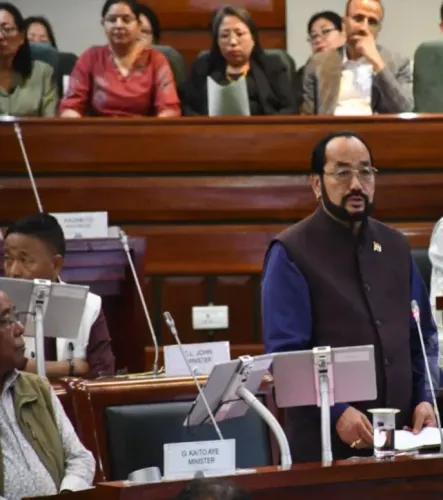
The Centre's partial relaxation comes in the wake of a unanimous resolution passed by the Nagaland Legislative Assembly during the ninth session of the 14th House, which urged the Central government to urgently review and fully withdraw the PAP regime and restore the earlier relaxation that had previously been in operation.
The resolution was moved by Deputy Chief Minister Yanthungo Patton, who also holds the Home and Border Affairs portfolios. The House noted that tourism, alongside the services and creative sectors, has emerged as a significant source of employment — particularly for Nagaland's youth. Civil society organisations, tribal bodies, tourism stakeholders, and entrepreneurs had reportedly been pressing for the withdrawal or relaxation of the PAP regime for some time.
Timing: Hornbill Festival 2026
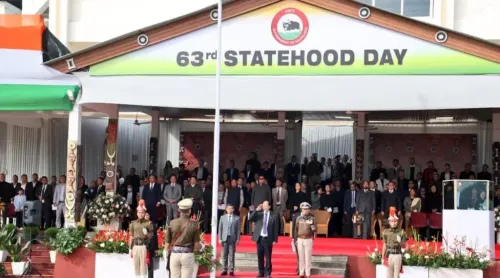
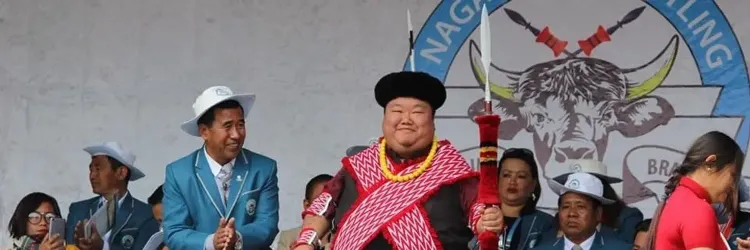
The 20-day window directly overlaps with the 27th edition of the Hornbill Festival, scheduled from 1 December to 10 December 2026 at the Naga Heritage Village in Kisama, approximately 12 km south of Kohima. The festival coincides with Nagaland's Statehood Day on 1 December.
Preparations for the 10-day event are already under way. This year's edition is expected to draw participation from several countries, while one of the Northeastern states will feature as the 'Partner State'. Past editions have seen large numbers of foreign visitors, and the PAP easing is expected to further ease access for international tourists.
What Comes Next
While the Centre's move is a step toward greater openness, the Nagaland Assembly's demand for a full withdrawal of the PAP regime remains on the table. Tourism and investment advocates argue that the 20-day relaxation, though helpful, falls short of the structural change needed to unlock the state's long-term potential. Whether the MHA considers a broader review will likely depend on ground-level security assessments and further legislative pressure from the state.
Point of View
Tribal bodies, and civil society have collectively pushed back against. The Centre's decision to retain the full PAP framework for the remaining 345 days of the year signals that security concerns in the region still outweigh the economic case for openness. For Nagaland, which is trying to position itself as a Northeast tourism destination, a seasonal workaround is not the structural shift that investors and entrepreneurs need. The real test will be whether this incremental step leads to a broader policy review — or simply becomes an annual ritual timed to the Hornbill Festival calendar.
NationPress
17 Nov 2026
Frequently Asked Questions
What is the Protected Area Permit (PAP) for Nagaland?
The Protected Area Permit is a mandatory travel authorisation under the Foreigners (Protected Areas) Order, 1958, that foreign nationals must obtain before entering designated areas in Nagaland, Manipur, and Mizoram. It regulates and restricts foreign entry into these states, primarily for security reasons.
When is the PAP relaxed for Nagaland, and for how long?
The MHA has relaxed the PAP requirement for a 20-day period every year, from 26 November to 15 December, to facilitate tourism — a window that overlaps with the annual Hornbill Festival held from 1 to 10 December.
Are all foreign nationals covered under the PAP relaxation?
No. Citizens of Afghanistan, China, and Pakistan, and foreign nationals of origin from these countries, are explicitly excluded and must still obtain prior MHA approval before visiting Nagaland. All other foreign tourists are covered by the 20-day relaxation.
What did the Nagaland Assembly resolve regarding the PAP regime?
The Nagaland Legislative Assembly unanimously passed a resolution during the ninth session of the 14th House urging the Centre to urgently review and fully withdraw the PAP regime and restore an earlier relaxation. The resolution was moved by Deputy Chief Minister Yanthungo Patton, who holds the Home and Border Affairs portfolios.
What is the Hornbill Festival and why does it matter to this policy?
The Hornbill Festival is an annual 10-day celebration of Naga heritage and culture, held at the Naga Heritage Village in Kisama, about 12 km from Kohima. The 27th edition runs from 1 to 10 December 2026, coinciding with Nagaland's Statehood Day. The PAP relaxation is timed to increase international visitor access during the festival.