MHA directs Mizoram to coordinate with GSI for disaster mitigation projects
Synopsis
The MHA has put Mizoram on notice to fast-track disaster mitigation by closing the coordination gap with the GSI — the agency that holds the technical keys to unlocking fund releases. With Aizawl's vertical sprawl and a Seismic Zone V location compounding landslide risk, the Centre's push is less routine review and more an urgent course correction for one of India's most hazard-exposed states.
Key Takeaways
The MHA on 29 July directed the Mizoram government to work closely with the GSI for digital elevation models and slope investigations needed to execute sanctioned disaster mitigation projects.
The review covered the National Landslide Risk Mitigation Programme , forest fire management, earthquake risk mitigation, and the CBDRR programme.
Approximately ₹10 crore has been earmarked for Mizoram under the Community-Based Disaster Risk Reduction (CBDRR) programme.
Timely submission of Detailed Project Reports (DPRs) by the state was flagged as critical for releasing subsequent fund tranches.
Mizoram lies in Seismic Zone V and faces compounding risks from landslides, rockfalls, and rapid urbanisation in Aizawl .
The MHA urged the state to pursue Union Home Minister Amit Shah's 10-point Disaster Resilience Agenda and strengthen the SDMA and DDMAs .
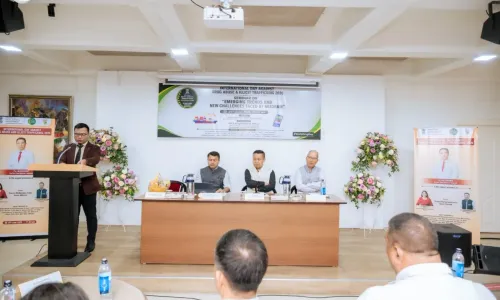
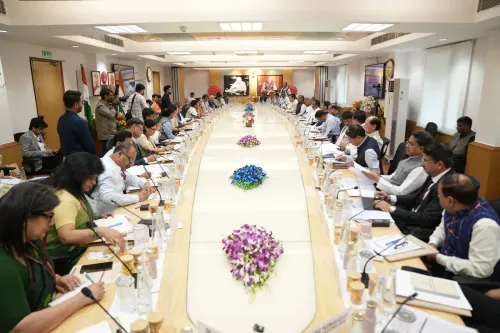
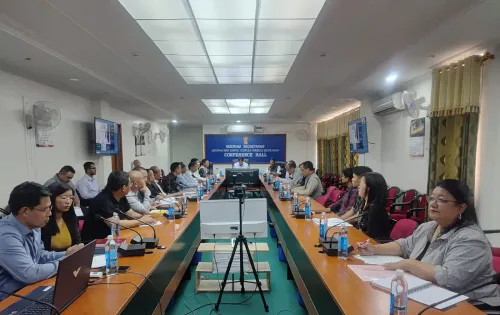
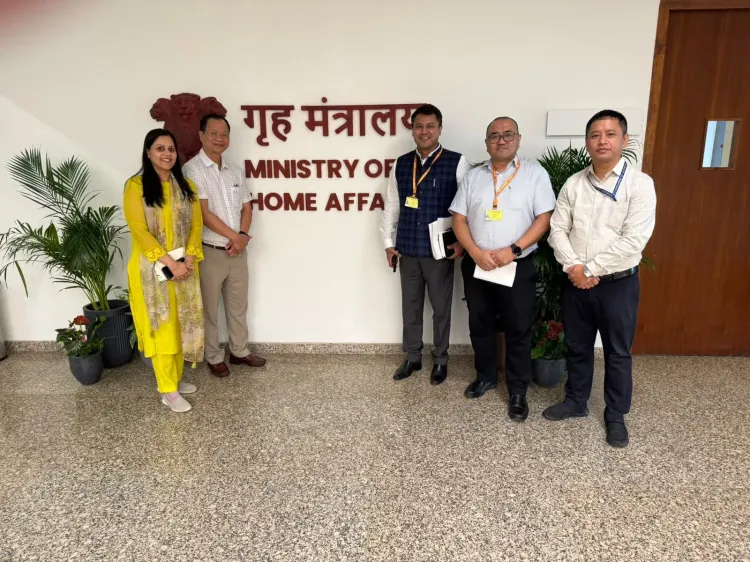
The Union Ministry of Home Affairs (MHA) on Wednesday, 29 July directed the Mizoram government to work in close coordination with the Geological Survey of India (GSI) for preparing digital elevation models, conducting slope investigations, and providing other technical inputs essential for the timely execution of disaster mitigation projects sanctioned for the state. The directive was issued during a high-level review meeting held at the MHA in New Delhi to assess the progress of disaster resilience initiatives in the northeastern state.
Key Developments from the Review Meeting
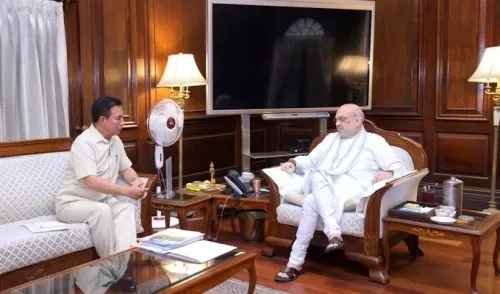
Mizoram's Disaster Management and Rehabilitation Minister Lalnilawma, accompanied by Secretary Sushil Singh of the Department of Disaster Management and Rehabilitation, participated in the meeting. Discussions centred on accelerating the implementation of approved disaster risk reduction projects and strengthening the state's institutional preparedness against natural hazards.
Reviewing the National Landslide Risk Mitigation Programme, the MHA stressed the need for sustained coordination between the state government and the GSI. The Home Ministry informed participants that the GSI has expressed willingness to extend technical assistance to Mizoram and urged the state to fully utilise the agency's expertise to avoid implementation delays.
What the Mizoram Government Committed
Minister Lalnilawma reaffirmed the state's commitment to early implementation of all sanctioned projects through close coordination with both the GSI and the State Public Works Department. Secretary Sushil Singh informed the meeting that the Department of Disaster Management and Rehabilitation has initiated a comprehensive review of all pending proposals and assured that the required Detailed Project Reports (DPRs) would be prepared and submitted on priority to facilitate fund releases.
Community-Based Disaster Risk Reduction Programme
The meeting also reviewed the Community-Based Disaster Risk Reduction (CBDRR) programme, under which approximately ₹10 crore has been earmarked for Mizoram. The programme aims to develop disaster-resilient villages through local-level planning, strengthening building approval systems, and improving community capacity to respond during emergencies. Minister Lalnilawma underlined the government's commitment to integrating disaster risk reduction measures into village-level planning and development activities.
Mizoram's Unique Disaster Risk Profile
The MHA highlighted Mizoram's acute vulnerability to multiple natural hazards, including landslides, rockfalls, and rapid vertical urbanisation in Aizawl. Critically, the state lies in Seismic Zone V, making it one of the most earthquake-prone regions in the country. The meeting reviewed progress on projects covering forest fire management and earthquake risk mitigation alongside the CBDRR programme.
The MHA also encouraged Mizoram to actively pursue the 10-point Disaster Resilience Agenda communicated by Union Home Minister Amit Shah to all states and Union Territories, and emphasised strengthening the State Disaster Management Authority (SDMA) and District Disaster Management Authorities (DDMAs). The Home Ministry assured continued support from both the MHA and the National Disaster Management Authority (NDMA) in advancing the state's disaster preparedness goals.
Point of View
But Mizoram's slow DPR submissions are holding up fund releases. The GSI coordination gap is a structural problem: state disaster agencies often lack the geotechnical capacity that the GSI can provide, yet this interface has historically been underutilised. With Aizawl's vertical urbanisation accelerating landslide exposure and the state sitting squarely in Seismic Zone V, the cost of delayed implementation is not administrative — it is measured in lives. The Centre's push to position Mizoram as a 'model state' for disaster resilience in the Northeast will ring hollow unless the DPR bottleneck is cleared and community-level programmes move beyond earmarking to actual ground deployment.
NationPress
13 Sept 2026
Frequently Asked Questions
Why did the MHA hold a review meeting on Mizoram's disaster mitigation projects?
The MHA convened the high-level meeting on 29 July to assess progress on disaster mitigation initiatives in Mizoram and address delays in project implementation. The review focused on accelerating approved projects and strengthening the state's long-term disaster resilience, particularly given its location in Seismic Zone V and high landslide exposure.
What role will the Geological Survey of India play in Mizoram's disaster mitigation?
The GSI will provide critical technical inputs including digital elevation models and slope investigations required for implementing landslide mitigation projects under the National Landslide Risk Mitigation Programme. The GSI has expressed willingness to extend this technical assistance to Mizoram.
What is the Community-Based Disaster Risk Reduction (CBDRR) programme for Mizoram?
The CBDRR programme, for which approximately ₹10 crore has been earmarked for Mizoram, aims to build disaster-resilient villages through local-level planning, improved building approval systems, and enhanced community emergency response capacity. It is designed to integrate disaster risk reduction into grassroots development activities.
Why are Detailed Project Reports (DPRs) critical for Mizoram's disaster funds?
The MHA has made clear that timely submission of DPRs and other technical documentation by the state government is essential for releasing subsequent fund instalments. Financial approvals are already in place for several projects, but pending DPRs are delaying the commencement of implementation.
What makes Mizoram particularly vulnerable to natural disasters?
Mizoram faces a combination of hazards — frequent landslides, rockfalls, and rapid vertical urbanisation in Aizawl — compounded by its location in Seismic Zone V, which classifies it among the most earthquake-prone regions in India. This multi-hazard profile makes coordinated and timely disaster mitigation especially critical for the state.