Modi in Manila: India-ASEAN economic ties under spotlight at summit
Synopsis
Modi's Manila visit is more than a diplomatic check-in — it is a push to fix a deepening trade deficit with ASEAN that has ballooned from $7 billion to $51.55 billion since 2010, while Indian exports to the bloc have actually shrunk. With the goods agreement under review and 2027's 35th anniversary of Dialogue Relations on the horizon, India is betting that strategic credibility can now be converted into commercial clout.
Key Takeaways
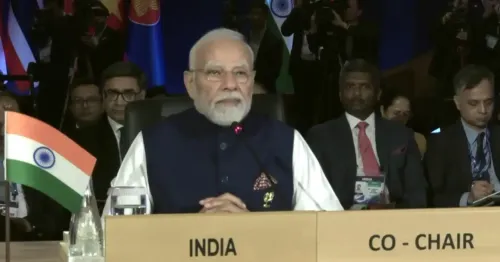
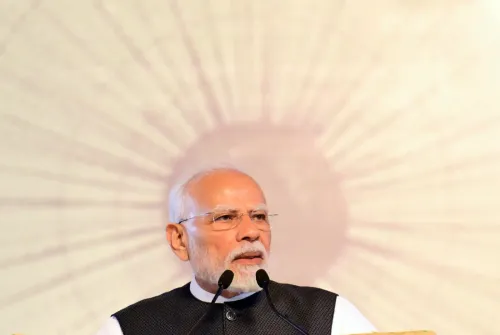
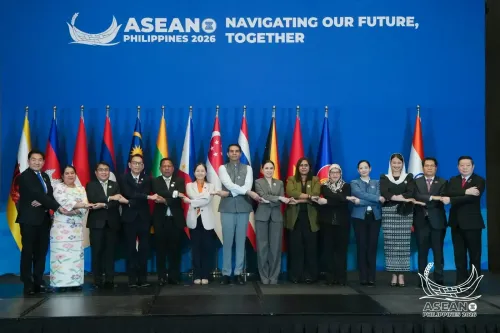
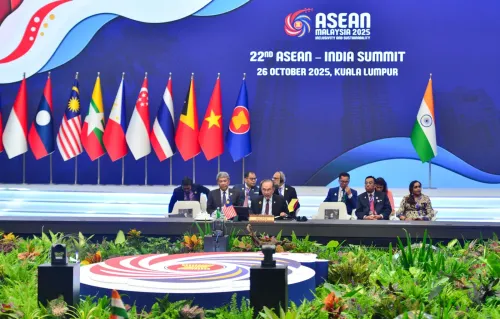
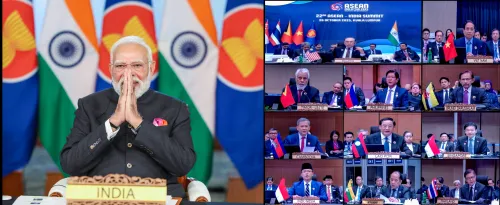
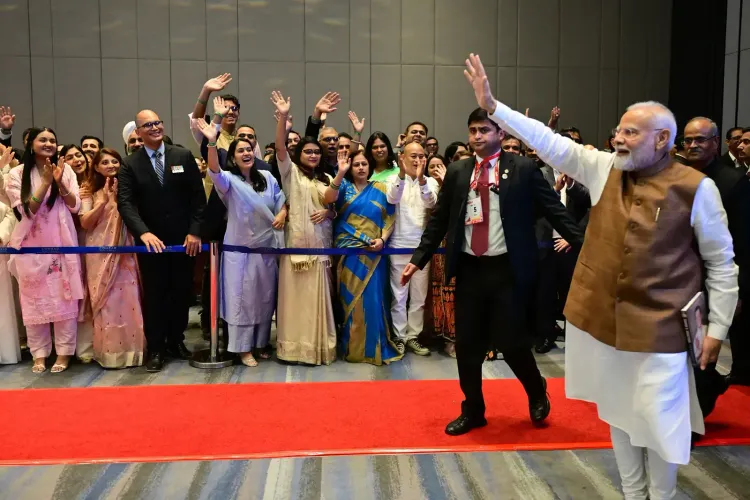
PM Modi met ASEAN leaders in Manila on 17 November 2026 to push for deeper economic engagement with the bloc.
India-ASEAN two-way trade stood at $128.38 billion in 2025-26 , but India ran a deficit of $51.55 billion — up from $7 billion when AITIGA took effect in 2010 .
Indian exports to ASEAN fell from $42.4 billion in 2021-22 to $38.4 billion in 2025-26 , even as imports rose.
India has liberalised roughly 80 per cent of tariff lines for ASEAN; officials want tighter rules of origin to prevent rerouting of Chinese goods.
The Trilateral Highway and Kaladan Project remain delayed due to Myanmar's instability.
2027 will mark 35 years of India-ASEAN Dialogue Relations, flagged as a target milestone for deeper commercial ties.
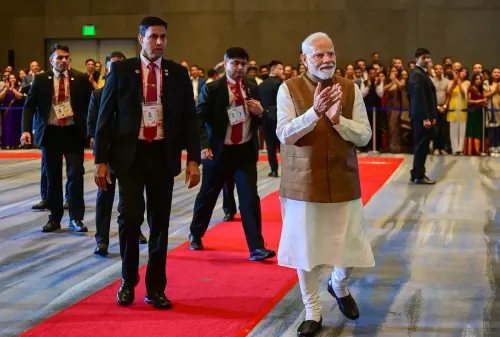
Prime Minister Narendra Modi is set to meet Southeast Asian leaders in Manila on Tuesday, 17 November 2026, with a sharper focus on translating India's strong strategic partnership with ASEAN into an equally robust commercial relationship. The visit comes as India's maritime and security engagement with the bloc has matured rapidly, creating what analysts describe as a natural opening to deepen economic integration.
The Trade Imbalance Problem
India's two-way trade with ASEAN reached $128.38 billion in 2025-26, but the relationship is structurally lopsided. India imported $89.96 billion from the bloc while exporting only $38.41 billion, producing a deficit of $51.55 billion. That gap has widened sharply from roughly $7 billion when the ASEAN-India Trade in Goods Agreement (AITIGA) first took effect in 2010. Notably, Indian exports to ASEAN actually contracted — from $42.4 billion in 2021-22 to $38.4 billion in 2025-26 — even as imports climbed. With ASEAN accounting for around 11 per cent of India's global trade, restoring balance is a priority for both sides.
The Case for Reviewing the Goods Agreement
New Delhi has grounds for a firm stance in the ongoing review of AITIGA. India has already liberalised approximately 80 per cent of tariff lines for ASEAN members, yet critics argue the reciprocity it receives remains incomplete. A more pressing concern, according to officials, is the alleged routing of Chinese goods through ASEAN member states to exploit India's preferential duty rates — a practice that tighter rules of origin are designed to close. Ajay Sahai of the Federation of Indian Export Organisations (FIEO) has argued that the review should be judged by the export opportunities and business partnerships it generates, not by tariff concessions alone — pointing instead to simpler customs procedures, regulatory transparency, and supply-chain integration as the real tests.
RCEP Withdrawal and the Regional Value Chain Push
India's decision to withdraw from the Regional Comprehensive Economic Partnership (RCEP) in 2019 has given the AITIGA review added strategic weight. Without RCEP membership, the renegotiated goods agreement remains India's primary instrument for embedding itself in regional value chains. India's strategic credentials in Southeast Asia — built on naval presence and defence partnerships — are now well established; a deeper commercial relationship would, analysts say, complete the offer that ASEAN states look for when they seek to diversify away from over-reliance on any single major economy.
Connectivity: The Long Game
Physical connectivity remains an underexploited lever. The Trilateral Highway linking India, Myanmar, and Thailand, and the Kaladan Multi-Modal Transit Transport Project, have both been slowed by Myanmar's political instability and infrastructure delays. Once operational, however, they would materially reduce transit times and logistics costs between India and mainland Southeast Asia, strengthening the commercial case for deeper integration.
Looking Ahead: 35 Years of Dialogue Relations
Prime Minister Modi, before departing for Manila, stated that ties with ASEAN occupy a central place in India's MAHASAGAR vision. The year 2027 will mark 35 years of India-ASEAN Dialogue Relations — a milestone that both sides are positioning as a moment to bring the same momentum from maritime cooperation into economic partnership. India declared 2025 the Year of Maritime Cooperation with ASEAN and conducted joint naval exercises during the year. The anniversary in 2027 offers a natural deadline to demonstrate comparable progress on trade and investment.
Point of View
But its commercial offer is undermined by a trade deficit that has ballooned eightfold since 2010 and exports that are actually contracting. The AITIGA review is an opportunity, but past reviews have produced incremental outcomes rather than structural shifts. The real test is whether India can move beyond tariff arithmetic — as FIEO's Sahai rightly argues — and build supply-chain linkages that make it indispensable to Southeast Asian manufacturers. Without that, the anniversary diplomacy of 2027 risks being another round of strategic language with thin commercial follow-through.
NationPress
17 Nov 2026
Frequently Asked Questions
Why is PM Modi visiting Manila for the ASEAN summit?
PM Modi travelled to Manila on 17 November 2026 to meet Southeast Asian leaders and advance India's push to strengthen economic ties with ASEAN, building on already mature maritime and security cooperation. The visit is seen as an opportunity to address a widening trade deficit and open new avenues in regional value chains.
What is the current state of India-ASEAN trade?
India-ASEAN two-way trade reached $128.38 billion in 2025-26, but India imported $89.96 billion and exported only $38.41 billion, creating a deficit of $51.55 billion. That gap has expanded sharply from roughly $7 billion when the ASEAN-India Trade in Goods Agreement came into force in 2010.
What is the ASEAN-India Trade in Goods Agreement review about?
The AITIGA review is a renegotiation of the original 2010 goods trade pact, with India seeking fairer reciprocity and tighter rules of origin to prevent Chinese goods being rerouted through ASEAN states to exploit preferential duties. India has liberalised approximately 80 per cent of its tariff lines for ASEAN, but officials argue equivalent reciprocity has not been fully extended.
Why did India withdraw from RCEP and how does it affect ASEAN ties?
India exited the Regional Comprehensive Economic Partnership in 2019, citing concerns about market access asymmetry and import surges. This has made the AITIGA review India's primary lever for integrating into regional value chains, raising the stakes of the ongoing negotiations considerably.
What is the significance of 2027 for India-ASEAN relations?
The year 2027 marks 35 years of India-ASEAN Dialogue Relations, which both sides are positioning as a milestone to convert strategic partnership into tangible economic gains. PM Modi has stated that ASEAN ties are central to India's MAHASAGAR vision, and the anniversary is seen as a natural deadline to demonstrate progress beyond maritime cooperation.