PM Modi at Kisan Tak Bharat 2026: India shields farmers from ₹50/litre diesel shock
Synopsis
At the Kisan Tak Bharat 2026 conference, Modi revealed that India silently absorbed ₹43 of every ₹50 diesel price surge caused by the West Asia conflict — spending ₹14,000 crore a month — while neighbouring countries passed on 40–50% fuel hikes to their citizens. It is the clearest public accounting yet of the fiscal cost of shielding India's farmers from a live geopolitical shock.
Key Takeaways
PM Modi addressed the Kisan Tak Bharat Agriculture Conference 2026 in New Delhi on 13 November 2026 .
West Asia conflict pushed crude oil from $70 to $122 per barrel ; India capped the diesel hike at ₹7/litre , absorbing ₹43/litre — costing roughly ₹14,000 crore per month .
India ranks first globally in milk, pulses, jute, rice and millet production; agriculture grew at over 4% annually for the first time since Independence.
Agricultural exports have crossed ₹4 lakh crore annually; horticulture output rose from 280 million tonnes to over 350 million tonnes .
PM-KUSUM Yojana has distributed nearly 12 lakh solar pumps ; soil testing labs expanded from a few hundred in 2014 to over 8,400 .
Government has spent ₹16 lakh crore over 12 years on fertiliser subsidies; DAP supplied at ₹1,300 against an international price of ₹5,000 .
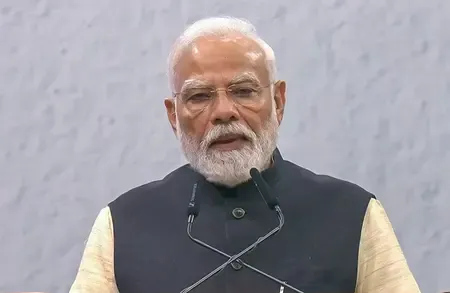
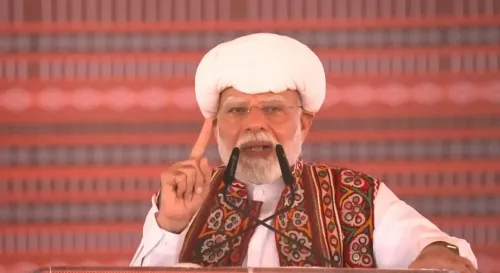
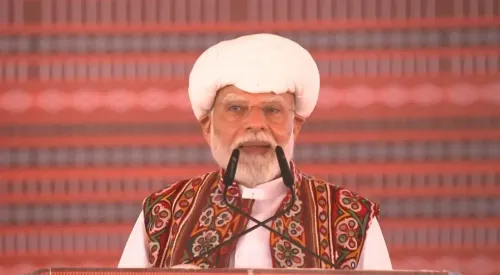
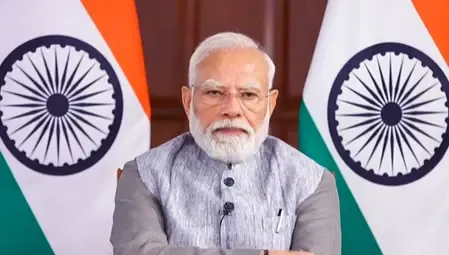
Prime Minister Narendra Modi on 13 November 2026 addressed the Kisan Tak Bharat Agriculture Conference 2026 in New Delhi, declaring that agricultural development, smarter farming and farmer empowerment are cornerstones of the Viksit Bharat vision. Speaking before agricultural scientists, entrepreneurs and farmers drawn from across the country, Modi outlined a decade of sectoral gains while revealing how the government absorbed a massive fuel price shock triggered by the West Asia conflict to protect farmers and consumers.
India's Agricultural Gains Over a Decade
Modi cited a landmark milestone: the agricultural sector recorded average annual growth of over 4 per cent for the first time since Independence, sustained over the past decade. India now ranks first globally in production of milk, pulses, jute, rice and millet, and second in wheat, cotton, fruits, vegetables and fish. Agricultural exports have crossed ₹4 lakh crore annually.
Allied sectors have expanded sharply as well. Milk production has risen by nearly 70 per cent, egg production by around 90 per cent, and fish production has more than doubled. Honey output has climbed from approximately 80,000 tonnes to 1.5 lakh tonnes, while horticulture production has grown from 280 million tonnes to over 350 million tonnes.
How India Absorbed the Diesel Price Shock
Modi disclosed that escalating hostilities in West Asia drove crude oil prices from around $70 per barrel to $122 per barrel within weeks, creating pressure to raise diesel prices by at least ₹50 per litre. Instead of passing the full burden to consumers, the government limited the diesel price increase to just ₹7 per litre, absorbing ₹43 per litre itself — an expenditure of approximately ₹14,000 crore per month, according to Modi.
He contrasted India's response with that of several neighbouring countries, which reportedly raised fuel prices by 40 to 50 per cent. The subsidy, he argued, shielded farmers — the most fuel-dependent segment of the rural economy — from international market volatility.
Solar Power, Soil Testing and Technology Push
Highlighting the PM-KUSUM Yojana, Modi said nearly 12 lakh solar pumps have been distributed, enabling farmers to transition from being solely food producers — 'Annadatas' — to energy providers, or 'Urjadatas'. Soil testing facilities have expanded from a few hundred in 2014 to over 8,400 laboratories, backed by more than 725 Krishi Vigyan Kendras. Free vaccination against Foot and Mouth Disease has benefited livestock owned by more than 8 crore farmers.
The Prime Minister also highlighted the role of Namo Drone Didis, who have demonstrated drone-based fertiliser and pesticide applications in rural areas, and pointed to growing opportunities in agri-engineering, artificial intelligence, sensor-based farming equipment and agricultural startups.
Fertiliser Subsidies and Farmer Producer Organisations
Modi noted that the government has spent ₹16 lakh crore over 12 years to keep fertilisers affordable. DAP fertiliser, which costs around ₹5,000 internationally, is supplied to farmers at ₹1,300. Urea, priced at ₹3,000 in the open market, is made available for less than ₹300. The development of 10,000 Farmer Producer Organisations (FPOs) is helping small cultivators access value addition, food processing and export markets.
Closing his address, Modi called for deeper collaboration among farmers, scientists, engineers and entrepreneurs to build a modern, profitable and sustainable agricultural ecosystem, reaffirming that prosperous farmers and thriving villages are essential to a developed India. Policy watchers will now track whether the fuel subsidy expenditure of ₹14,000 crore per month is sustainable as the West Asia situation remains fluid.
Point of View
000-crore-a-month fuel subsidy is a significant fiscal commitment whose full-year cost — potentially over ₹1.5 lakh crore if the West Asia crisis persists — has received far less scrutiny than the headline numbers on agricultural growth. The government's framing of the diesel absorption as farmer protection is politically compelling, but it sidesteps questions about fiscal space, subsidy targeting and whether the benefit actually reaches cultivators or is diffused across all diesel consumers. India's agricultural growth record is genuine, but structural issues — farm income volatility, inadequate storage and thin margins on FPO output — did not feature in the address. Conference optics rarely substitute for the harder work of market reforms.
NationPress
13 Nov 2026
Frequently Asked Questions
What did PM Modi say about diesel prices at the Kisan Tak Bharat Conference 2026?
Modi revealed that the West Asia conflict pushed crude oil prices from around $70 to $122 per barrel, creating pressure to raise diesel prices by at least ₹50 per litre. The government limited the actual hike to ₹7 per litre and absorbed the remaining ₹43 per litre, at a cost of approximately ₹14,000 crore per month.
What are India's key agricultural achievements cited by PM Modi?
India now ranks first globally in milk, pulses, jute, rice and millet production, and second in wheat, cotton, fruits, vegetables and fish. The agricultural sector posted average annual growth of over 4 per cent for the first time since Independence, and exports have crossed ₹4 lakh crore annually.
What is the PM-KUSUM Yojana and how does it help farmers?
PM-KUSUM (Pradhan Mantri Kisan Urja Suraksha evam Utthan Mahabhiyan) Yojana provides solar-powered irrigation pumps to farmers. Modi said nearly 12 lakh solar pumps have been distributed, allowing farmers to generate and potentially sell solar energy alongside crop production.
How much has the government spent on fertiliser subsidies?
According to Modi, the government has spent ₹16 lakh crore over 12 years to keep fertilisers affordable. DAP fertiliser costs around ₹5,000 internationally but is supplied to farmers at ₹1,300, while urea priced at ₹3,000 is available for less than ₹300.
What is the Kisan Tak Bharat Agriculture Conference 2026?
It is a national agriculture conference held in New Delhi that brought together agricultural scientists, entrepreneurs and farmers from across India. PM Modi used the platform to outline the government's agricultural policy achievements and future priorities, including crop diversification, technology adoption and farmer income growth.