PM Modi: A Decade of Resilience Shielded India's Poor
Synopsis
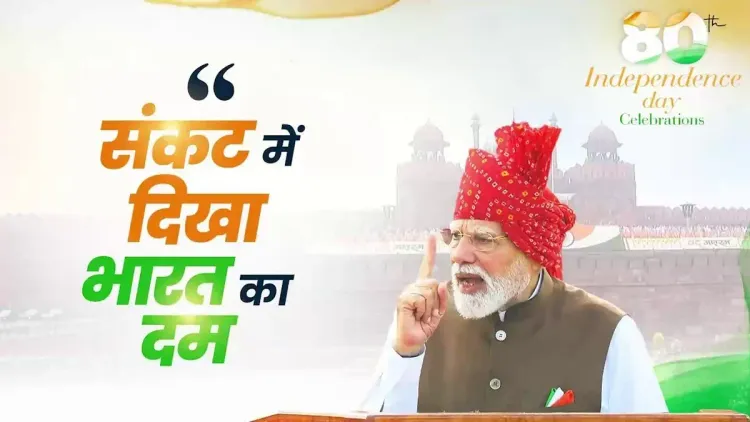
On Independence Day 2026, PM Narendra Modi invoked India's resilience through COVID-19, the Ukraine conflict, and West Asian tensions, crediting a decade of policy buffers — Atmanirbhar Bharat, PM-KISAN, and strategic reserves — with protecting poor families and farmers from global shocks.
Key Takeaways
PM Modi on August 15, 2026 cited three global crises — COVID-19 , the Ukraine conflict , and West Asian tensions — as tests India successfully absorbed.
He credited capabilities built 'over the last decade' with disproving fears about India's vulnerability to external shocks.
The Atmanirbhar Bharat package (2020) and PM-KISAN direct transfers (2019) form the core policy architecture referenced.
Modi specifically named poor families and farmers as the groups shielded from the 'full impact' of global pressures.
The speech framed economic preparedness as central to India's ability to navigate an uncertain geopolitical world.
The next Union Budget will be a key indicator of whether these buffers — subsidies, strategic reserves — are sustained or revised.
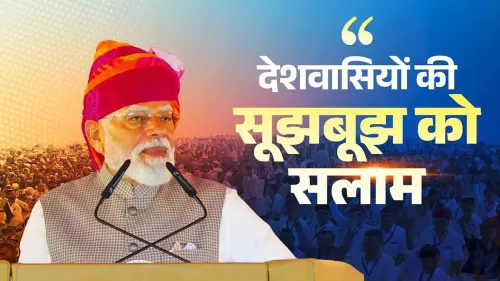
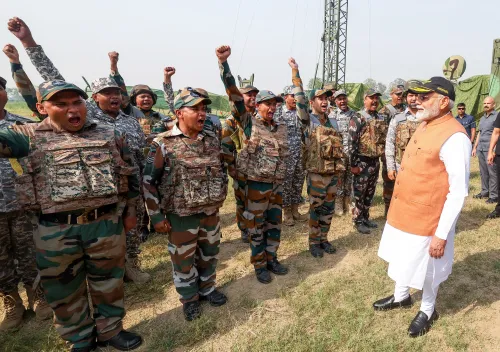
When the world wobbled — from a once-in-a-century pandemic to wars reshaping commodity markets in Europe and West Asia — India held. Prime Minister Narendra Modi, speaking on Independence Day, August 15, 2026, argued that the capabilities India built over the last decade were precisely what absorbed those shocks without letting them crush the country's most vulnerable.
The three crises that tested India's buffers
Modi named three stress tests in quick succession: the COVID-19 pandemic, the conflict in Ukraine, and ongoing tensions across West Asia. Each carried a distinct threat to India — the pandemic severed global supply chains and hammered livelihoods; the Ukraine conflict sent food, fertilizer, and energy prices soaring worldwide; West Asian instability rattled energy markets and trade routes on which India depends. The Prime Minister's case was direct: each time, the fears proved overstated because the foundations had been laid in advance.
Atmanirbhar Bharat and PM-KISAN: the architecture of absorption
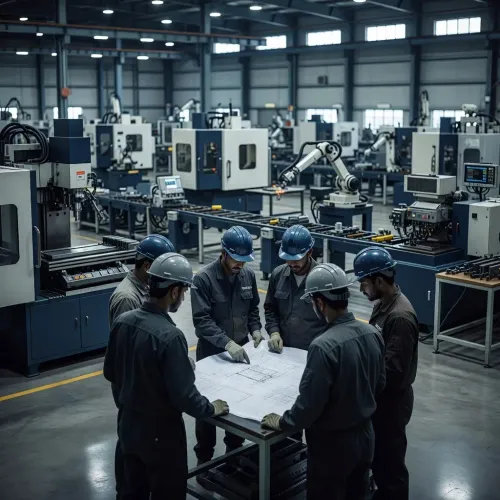
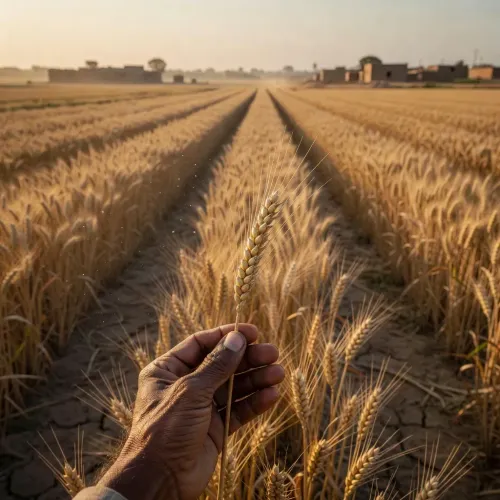
The policy scaffolding Modi referenced has a traceable lineage. The Atmanirbhar Bharat package, announced in May 2020, pushed domestic manufacturing and self-reliance precisely to reduce the vulnerability exposed by broken global supply chains. The PM-KISAN direct benefit transfer scheme, launched in 2019, channelled income support directly to farmers — a cushion that became critical when global commodity volatility threatened to squeeze agricultural margins.
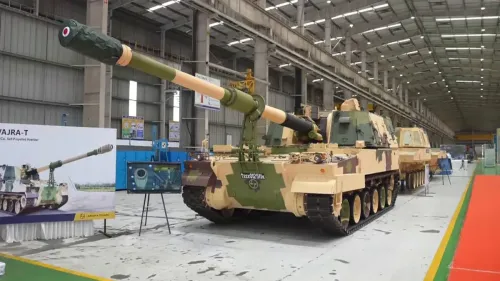
Alongside these, Indian policy over the decade emphasised building buffers in food stocks, foreign exchange reserves, and domestic production capacity. The explicit goal: ensure that external shocks — whether a pandemic or a distant war — do not translate into a food or livelihood crisis for poor families and farmers, the two groups Modi specifically named as the focus of protection.
Preparedness as a foreign-policy asset
There is a strategic subtext to the framing. By pointing to India's resilience through multiple global crises, Modi was also making a quiet argument about the country's standing in an uncertain world — that economic preparedness is inseparable from geopolitical credibility. A nation that can shield its own people through compounding shocks is one that negotiates from a position of stability, not desperation.
The message, delivered on the country's Independence Day, lands with deliberate symbolism: sovereignty, in the modern era, is as much about economic self-sufficiency as it is about territorial integrity.
The next test of that preparedness will come with the Union Budget, where decisions on food and fertilizer subsidies and strategic reserve expansions will signal how durable these buffers really are.
Point of View
The speech converts abstract governance claims into identifiable policy landmarks. The explicit focus on 'poor families and farmers' signals that welfare optics remain central to the political coalition the party needs to hold. Whether the buffers are as robust as claimed will be tested empirically in the next budget cycle, making that document the real verdict on this Independence Day argument.
NationPress
29 Sept 2026
Frequently Asked Questions
What did PM Modi say on Independence Day 2026 about India's economy?
PM Modi said India's capabilities built over the last decade allowed it to withstand major global crises — including COVID-19, the Ukraine conflict, and West Asian tensions — without letting the impact fall on poor families and farmers.
What is the Atmanirbhar Bharat package?
Atmanirbhar Bharat is an economic self-reliance package announced in May 2020 to boost domestic manufacturing and reduce India's dependence on global supply chains disrupted by the COVID-19 pandemic.
How did the Ukraine conflict affect India?
The conflict in Ukraine, which began in 2022, caused global spikes in food, fertilizer, and energy prices — all sectors that directly affect Indian farmers and household budgets.
What is PM-KISAN and how does it help farmers?
PM-KISAN, launched in 2019 , provides direct income support transfers to farmers, offering a financial cushion during periods of economic stress or global commodity volatility.
What should India watch for after Modi's Independence Day speech on economic resilience?
The next Union Budget is the key event to watch — specifically any announcements on food or fertilizer subsidy revisions and expansions of strategic reserves, which will test whether the resilience buffers Modi described are being maintained.