PM Modi Meets Janjati Suraksha Manch Reps in New Delhi
Synopsis
Prime Minister Narendra Modi met representatives of the Janjati Suraksha Manch in New Delhi on 28 May 2026, holding discussions on tribal development and empowerment. The meeting underlines the government's continued focus on Adivasi welfare as a central policy and political priority.
Key Takeaways
Prime Minister Narendra Modi met Janjati Suraksha Manch representatives in New Delhi on 28 May 2026 .
Discussions covered development and empowerment of tribal communities across India.
The Janjati Suraksha Manch is a civil society platform advocating for Adivasi rights and land protection.
The meeting builds on a policy lineage that includes the Forest Rights Act, 2006 and the Vanbandhu Kalyan Yojana (2014) .
Follow-up policy announcements on tribal sub-plan allocations or area-specific projects may come in the next Union Budget or parliamentary session.
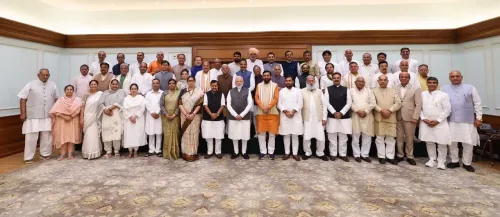
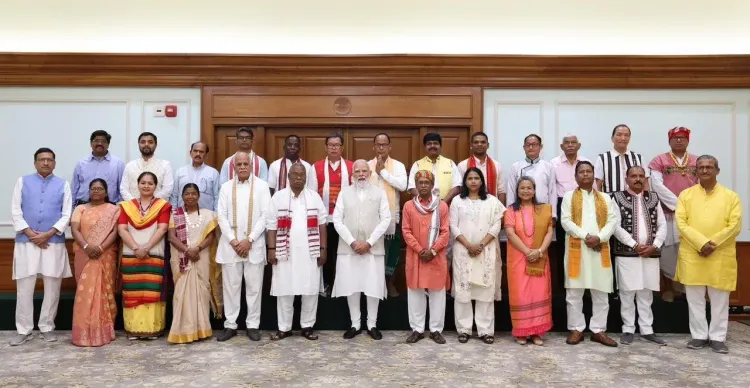
Prime Minister Narendra Modi on Thursday, 28 May 2026 met representatives of the Janjati Suraksha Manch in New Delhi, engaging in discussions on the development and empowerment of tribal communities across India.
Posting on X in Hindi, the Prime Minister said: 'नई दिल्ली में आज जनजाति सुरक्षा मंच के प्रतिनिधियों से मुलाकात का अवसर मिला' ('Today I had the opportunity to meet representatives of the Janjati Suraksha Manch in New Delhi'). He described the organisation's dedication to the Adivasi community as 'very commendable' and noted that 'meaningful discussions took place on various subjects related to the development and empowerment of tribal communities'.
Context
The Janjati Suraksha Manch is a civil society platform that advocates for tribal rights, land protection, and the socio-economic concerns of Adivasi communities across India. The organisation's work spans issues from forest rights to livelihood security for Scheduled Tribe populations. The meeting signals continued high-level political engagement with organised tribal civil society.
Policy Backdrop
Tribal welfare has been a recurring legislative and budgetary priority for successive governments. The Scheduled Tribes and Other Traditional Forest Dwellers (Recognition of Forest Rights) Act, 2006 remains the foundational legal instrument recognising individual and community rights over forest land. The Vanbandhu Kalyan Yojana, launched in 2014, further accelerated infrastructure and livelihood interventions in tribal-dominated districts.
BJP-led governments have consistently positioned Adivasi outreach as a core governance and political strategy, combining legislative protections with targeted schemes in education, health, and housing. This approach carries particular salience in states with significant Scheduled Tribe populations.
Stakeholders and Impact
India's Scheduled Tribe population, spread across states such as Jharkhand, Chhattisgarh, Madhya Pradesh, Odisha, and several north-eastern states, stands to be directly affected by any policy follow-through from such consultations. Civil society organisations like the Janjati Suraksha Manch play a bridging role, channelling community-level concerns to the highest levels of government. The Prime Minister's direct meeting reinforces the symbolic and institutional importance the Centre attaches to tribal representation.
What's Next
Analysts and tribal welfare advocates will watch for concrete follow-up measures, including possible announcements on tribal sub-plan allocations, area-specific development projects, or legislative updates in the next Union Budget or parliamentary session. The engagement could also inform the government's outreach strategy ahead of assembly elections in states with large Adivasi constituencies.
Point of View
The government signals responsiveness to organised Adivasi civil society without committing to specific policy outcomes. This pattern of high-visibility consultations tends to precede budgetary or legislative moves targeting tribal constituencies, particularly when state elections loom. The meeting also reflects a broader competition among national parties to consolidate the Scheduled Tribe vote, which has grown in electoral significance across central and eastern India.
NationPress
11 Oct 2026
Frequently Asked Questions
Who is the Janjati Suraksha Manch?
The Janjati Suraksha Manch is a civil society platform that advocates for tribal rights, land protection, and the socio-economic interests of Adivasi communities across India.
What did PM Modi discuss with the Janjati Suraksha Manch?
PM Modi held discussions on various subjects related to the development and empowerment of tribal communities, though specific details of the meeting were not disclosed.
What is the Vanbandhu Kalyan Yojana?
The Vanbandhu Kalyan Yojana, launched in 2014, is a government scheme aimed at accelerating development in tribal-dominated districts through infrastructure and livelihood interventions.
What is the Forest Rights Act and how does it affect tribal communities?
The Scheduled Tribes and Other Traditional Forest Dwellers (Recognition of Forest Rights) Act, 2006 legally recognises individual and community rights of tribal populations over forest land they have traditionally inhabited and used.
Why does the BJP focus on tribal welfare outreach?
States with significant Scheduled Tribe populations are electorally important, and successive BJP-led governments have combined legislative protections with targeted welfare schemes to consolidate Adivasi support.