PM Modi Meets Slovak Scholar Translating Upanishads in Bratislava
Synopsis
Prime Minister Narendra Modi met Slovak scholar Dr. Róbert Gáfrik in Bratislava on 15 June 2026, lauding his work translating the Upanishads into Slovak. The meeting reflects India's sustained cultural diplomacy strategy of engaging Indologists across Europe to deepen people-to-people ties alongside political and trade relations.
Key Takeaways
Róbert Gáfrik in Bratislava on the evening of 15 June 2026 .
Gáfrik is leading the translation of the Upanishads into the Slovak language .
Modi praised the scholar's 'enthusiasm for Indian history, culture, and spirituality.' India and Slovakia have maintained diplomatic relations since 1993 , with cultural exchange as a recurring element.
The meeting follows a pattern of Modi engaging scholars and cultural figures during overseas visits since 2014 .
A formal cultural cooperation agreement or institutional support for the translation project may follow.
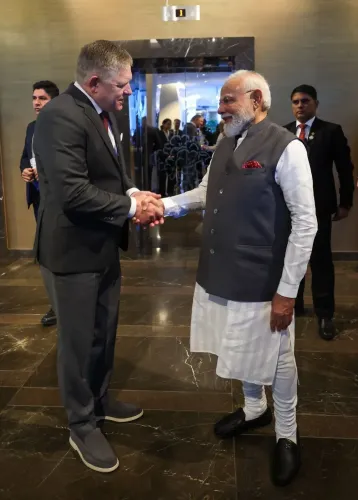
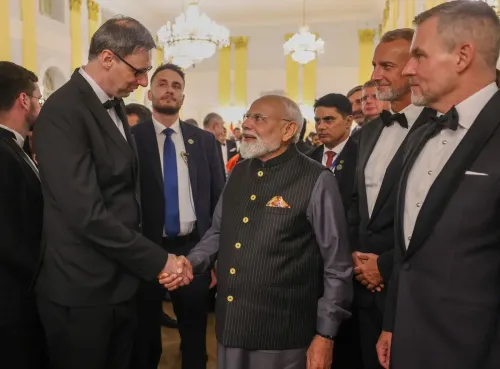
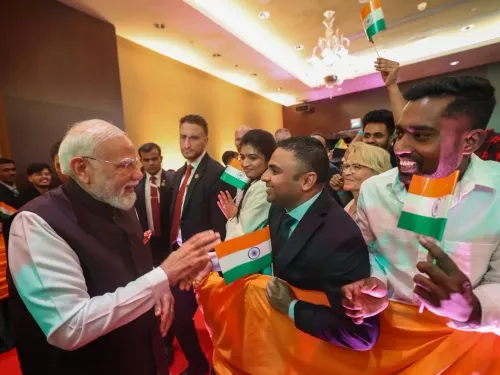
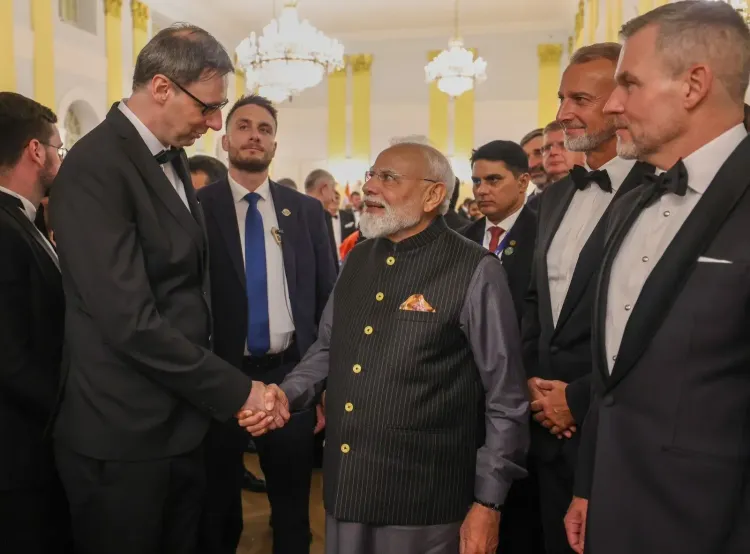
Prime Minister Narendra Modi met with Dr. Róbert Gáfrik in Bratislava on the evening of Monday, 15 June 2026, in a cultural engagement on the sidelines of his European visit. Dr. Gáfrik is leading efforts to translate the Upanishads into the Slovak language, a project that Modi described as reflecting remarkable enthusiasm for Indian history, culture, and spirituality.
Context
Writing in Slovak on X, Modi shared: 'Včera večer som sa v Bratislave stretol s Dr. Róbertom Gáfrikom' — 'Yesterday evening in Bratislava I met with Dr. Róbert Gáfrik, who leads the effort to translate the Upanishads into the Slovak language.' He added that Dr. Gáfrik's 'enthusiasm for Indian history, culture, and spirituality is admirable.' The post was accompanied by an image from the meeting.
Bratislava, the capital of Slovakia, has periodically served as a venue for high-level meetings between Indian leaders and local scholars during European tours. Slovakia and India have maintained diplomatic relations since 1993, with cultural exchanges forming a recurring thread in bilateral engagement.
Policy Backdrop
India has long supported the translation of classical Sanskrit texts — including the Upanishads, the Bhagavad Gita, and the Vedas — into European languages as a pillar of its cultural diplomacy and soft-power outreach. Such translations are seen as building people-to-people bridges that complement trade and political discussions at the governmental level.
Since 2014, Prime Minister Modi has consistently included meetings with scholars, artists, and members of the Indian diaspora during overseas visits, framing cultural affinity as foundational to India's foreign relationships. Engagements with Indologists in smaller European nations follow this established pattern.
Stakeholders and Impact
Dr. Róbert Gáfrik is identified in the post as the leader of the Slovak Upanishads translation project. Indology researchers and translation scholars in Central Europe stand to gain visibility and potentially institutional support from such high-profile acknowledgement by the Indian Prime Minister.
For Slovakia, a Central European EU member, the meeting signals India's interest in deepening cultural ties beyond the larger Western European capitals. Broader audiences — students of comparative philosophy, Sanskrit scholars, and cultural institutions in both countries — could benefit from a completed Slovak-language edition of the Upanishads.
What's Next
Attention will now turn to whether the meeting yields a formal cultural cooperation agreement between India and Slovakia, or institutional backing for the Upanishads translation project. Any announcement from New Delhi or Bratislava on joint cultural programming would mark a concrete outcome of the engagement.
The visit also underscores India's broader European diplomatic calendar for 2026, with cultural soft-power moments increasingly woven into the fabric of what are otherwise trade- and security-focused tours.
Frequently Asked Questions
Why did PM Modi meet Dr. Róbert Gáfrik in Bratislava?
PM Modi met Dr. Róbert Gáfrik, a Slovak scholar leading the translation of the Upanishads into Slovak, during his visit to Bratislava on 15 June 2026, as part of India's cultural diplomacy outreach in Europe.
What are the Upanishads?
The Upanishads are ancient Sanskrit philosophical texts that form the theoretical basis of Hinduism. They explore concepts such as the nature of reality, the self, and the universe, and are among the most translated Indian classical texts globally.
What is India's relationship with Slovakia?
India and Slovakia have maintained diplomatic relations since 1993. Bilateral ties include trade, political dialogue, and periodic cultural exchanges, with India supporting the spread of classical Indian knowledge in Central Europe.
Has Modi engaged with Indologists in Europe before?
Yes. Since 2014, PM Modi has regularly met scholars, translators, and cultural figures during overseas visits as part of India's broader soft-power strategy to promote Indian history, philosophy, and classical texts abroad.
What could come out of the Modi-Gáfrik meeting?
Possible outcomes include formal cultural cooperation agreements between India and Slovakia, or institutional backing — such as grants or academic partnerships — for the Slovak-language Upanishads translation project.