PM Modi Approves 4-Lane Greenfield Highway from Kanpur to Kabrai
Synopsis
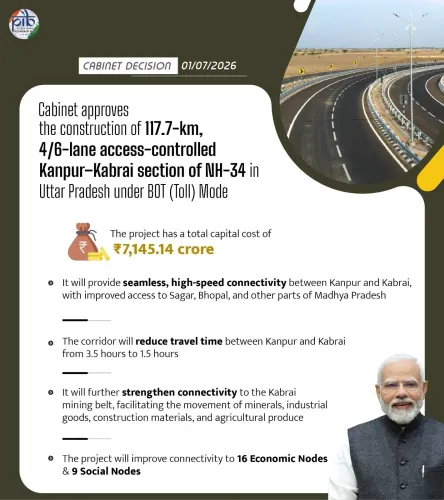
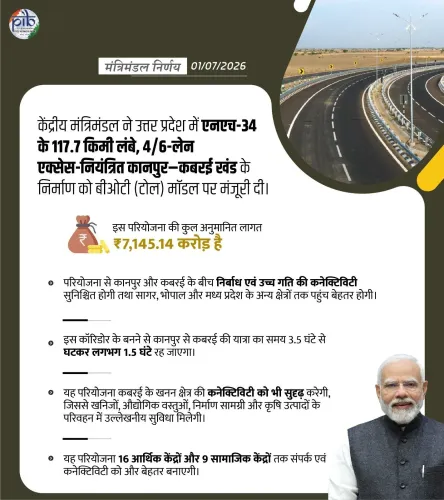
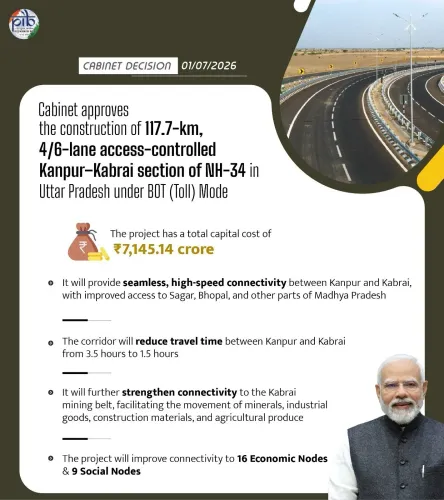
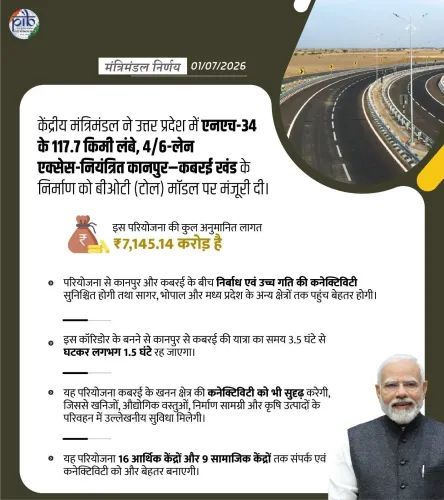
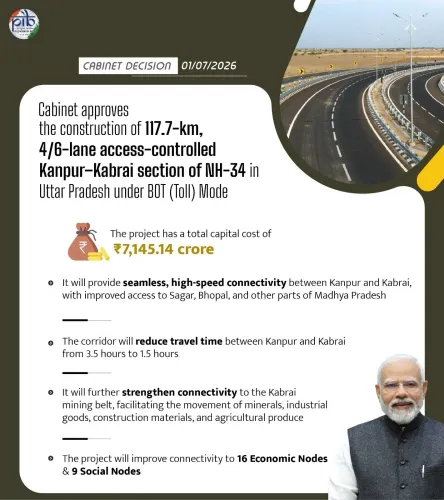
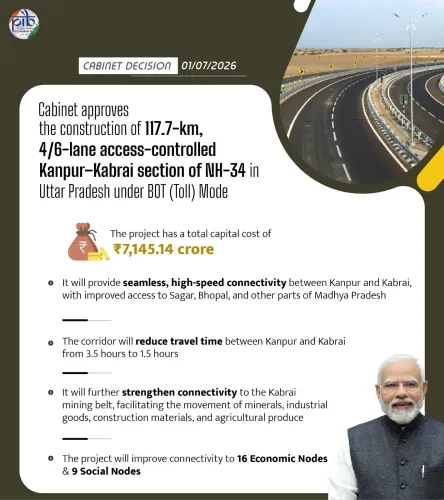
Prime Minister Narendra Modi on 1 July 2026 announced the approval of a 4-lane greenfield highway from Kanpur to Kabrai in Uttar Pradesh under the PM Gati Shakti initiative. The project is a key segment of the Kanpur-Bhopal Economic Corridor, aimed at boosting travel speed and regional economic activity.
Key Takeaways
A new 4-lane greenfield highway between Kanpur and Kabrai in Uttar Pradesh has been approved.
The project is cleared under the PM Gati Shakti National Master Plan , launched in October 2021 .
The highway forms a major segment of the Kanpur-Bhopal Economic Corridor , linking Uttar Pradesh with Madhya Pradesh .
Kabrai is located in Hamirpur district , Uttar Pradesh, along the proposed corridor route.
The approval is expected to accelerate travel and boost economic activity across the region.
Land acquisition and tendering are the key milestones to watch before construction begins.
Prime Minister Narendra Modi on Wednesday, 1 July 2026 announced the approval of a new 4-lane greenfield highway connecting Kanpur to Kabrai in Uttar Pradesh, describing it as a key step in the government's push to expand connectivity across India's most populous state.
Posting in Hindi on X, the Prime Minister said: 'उत्तर प्रदेश में कनेक्टिविटी के विस्तार के लिए हमारी सरकार कोई कोर-कसर नहीं छोड़ रही है' ('Our government is leaving no stone unturned to expand connectivity in Uttar Pradesh'). He added that the project, cleared under the PM Gati Shakti initiative, forms a major segment of the Kanpur-Bhopal Economic Corridor and will both accelerate travel and inject fresh momentum into economic activity across the region.
Context
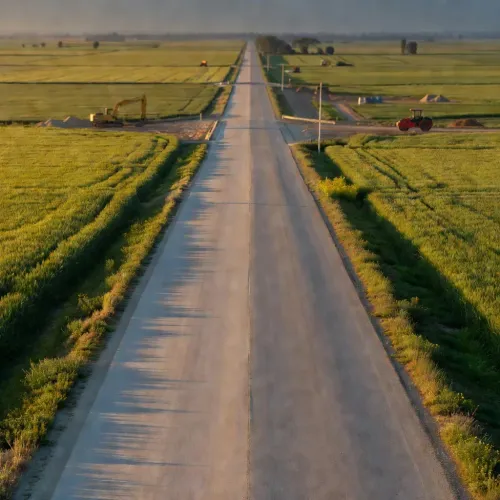
Kabrai is a town in Hamirpur district, situated along the proposed corridor route that eventually links Kanpur — one of Uttar Pradesh's foremost industrial cities, known for leather, textiles and defence manufacturing — with Bhopal in Madhya Pradesh. A greenfield alignment means the highway will be built on a largely new right-of-way rather than widening an existing road, which typically allows for higher design speeds and fewer urban encumbrances.
The approval was communicated through the Press Information Bureau, whose release was linked directly in the Prime Minister's post, lending it formal government standing.
Policy Backdrop
The project sits within the PM Gati Shakti National Master Plan, launched in October 2021 to synchronise road, rail and logistics projects across ministries through a unified digital planning platform. The Master Plan was designed to eliminate siloed approvals and reduce project delays by mapping infrastructure assets in a single geospatial layer.
It builds on earlier frameworks including Bharatmala Pariyojana Phase-I, approved in 2017 to develop 34,800 km of national highways including greenfield alignments, and the National Infrastructure Pipeline announced in the 2019-20 Union Budget to mobilise Rs 111 lakh crore in connectivity investment. Economic corridors linking manufacturing hubs across state borders have been a recurring priority under these frameworks.
Stakeholders and Impact
The most immediate beneficiaries are commuters and freight operators moving between Kanpur's industrial clusters and destinations further south. Faster logistics connectivity is expected to reduce turnaround times for goods — particularly leather and textile products — that currently rely on older, more congested road alignments.
Businesses in Hamirpur and surrounding districts along the Kabrai stretch stand to gain from improved market access, while the broader Kanpur-Bhopal Economic Corridor, once complete, could deepen economic integration between Uttar Pradesh and Madhya Pradesh by providing a high-speed surface link between two major industrial centres.
What's Next
The critical milestones ahead include land acquisition along the greenfield alignment and the tendering schedule for the Kanpur-Kabrai stretch. Progress on these fronts will determine how quickly construction can begin. Subsequent approvals for the remaining segments of the Kanpur-Bhopal Economic Corridor will also be closely watched to assess whether the full inter-state route can be delivered within a consolidated timeline.
If executed on schedule, the corridor could significantly reorder logistics patterns across central India, reinforcing the government's stated goal of cutting freight costs and travel times as part of its wider infrastructure push ahead of the country's centenary of independence in 2047.
Point of View
With a PIB link for credibility, is a well-worn template that simultaneously signals governance delivery and keeps Uttar Pradesh — a perennial electoral battleground — in focus. The corridor framing matters: linking an industrial giant like Kanpur to Bhopal positions this as a cross-state economic integration story, not merely a road project, which gives it a larger policy footprint than a standalone highway announcement would carry.
NationPress
30 Sept 2026
Frequently Asked Questions
What is the Kanpur to Kabrai greenfield highway project?
It is a newly approved 4-lane greenfield highway connecting Kanpur, a major industrial city in Uttar Pradesh, to Kabrai in Hamirpur district. The project is sanctioned under the PM Gati Shakti initiative and forms part of the larger Kanpur-Bhopal Economic Corridor.
What is PM Gati Shakti and how does it relate to this highway?
PM Gati Shakti is a National Master Plan launched in October 2021 to integrate multimodal infrastructure planning across central ministries using a unified digital platform. The Kanpur-Kabrai highway was cleared under this initiative to ensure coordinated planning with rail and logistics networks.
What is the Kanpur-Bhopal Economic Corridor?
The Kanpur-Bhopal Economic Corridor is a planned high-speed road connectivity route linking the industrial centres of Kanpur in Uttar Pradesh with Bhopal in Madhya Pradesh. The Kanpur-Kabrai stretch is described as a major segment of this corridor.
Where is Kabrai located?
Kabrai is a town in Hamirpur district, Uttar Pradesh. It lies along the proposed Kanpur-Bhopal Economic Corridor route and will serve as a key point on the new greenfield highway.
What are the next steps for the Kanpur-Kabrai highway project?
The immediate milestones are land acquisition along the greenfield alignment and the release of tenders for construction. Further approvals for the remaining segments of the Kanpur-Bhopal Economic Corridor will also be required before the full inter-state route is operational.